Digital nomad life in Switzerland: is it actually possible?
At a glance
| Visa-free stay | 90 days in any 180-day period (Schengen rule) for most non-EU nationalities |
| Realistic monthly budget | Around CHF 3,000-3,500 for a shared room base, more for a private studio |
| Best base cities | Zurich (best coworking), Lucerne and Bern (cheaper), Lugano (Mediterranean feel) |
| Internet | Consistently fast and reliable, including on intercity trains |
| Health cover | Travel insurance with medical coverage for stays under 90 days |
The Switzerland question every nomad asks
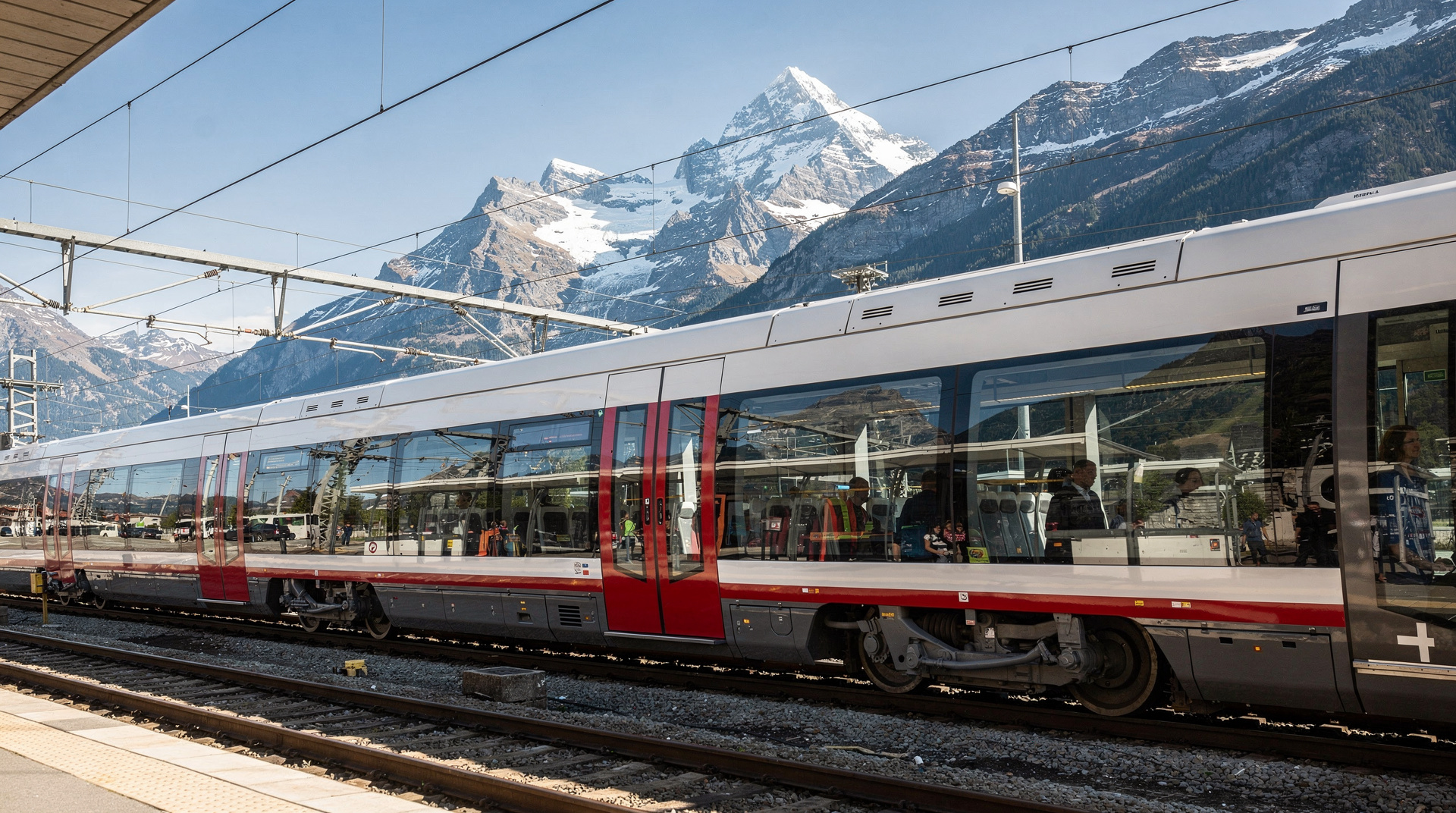
You’re sitting on a train between Lucerne and Interlaken, watching the lake slide by, and you think: what if I just didn’t leave? What if this was the office? The mountains, the clean air, the extraordinarily functional infrastructure, the trains that actually run on time — could you actually live here?
Switzerland attracts this fantasy from nomads more than almost anywhere else. The country has everything that makes remote work theoretically excellent: outstanding internet connectivity, physical beauty that inspires rather than distracts, a safety and reliability that removes daily stress, and a work culture that takes quality seriously. But it also has costs that genuinely shock first-time visitors, and a visa framework that doesn’t yet include the kind of digital nomad provisions that Portugal, Croatia, or Georgia have introduced.
This guide is an honest assessment — the genuine possibilities, the real constraints, and what Switzerland actually looks like as a place to work remotely, whether for a few months or longer.
The honest visa situation
Let’s start with the legal framework, because it matters.
Switzerland is not part of the EU Schengen visa-free zone for digital nomads in the way that some countries have structured things. However, it is part of the wider Schengen Area, which means:
For most nationalities (EU/EEA citizens): Working remotely while in Switzerland as an EU/EEA citizen is generally permissible under freedom of movement rules, though technically you’d need to register with local authorities for stays over 90 days.
For non-EU nationals (Americans, British, Canadians, Australians, etc.): The Schengen 90/180 rule applies. You can spend 90 days in the Schengen Area in any 180-day period without a visa. This includes Switzerland. There is no specific “digital nomad visa” for Switzerland as of early 2026.
In practice, 90 days in Switzerland is actually a reasonable chunk of time for a nomadic stay — enough to genuinely settle in, rent a flat short-term, set up a working routine, and experience different regions.
If you want to stay longer, the options are limited: a Swiss work permit (requires a Swiss employer or self-employment registration in Switzerland), student visa, or family/spousal visa. Switzerland has not introduced a freelancer/self-employment visa equivalent to what some other countries offer, though this is periodically discussed in Swiss immigration policy circles.
The Schengen split strategy
Many nomads manage extended time in Schengen-adjacent Europe by splitting time: 90 days in Switzerland/Schengen, then time in non-Schengen countries (UK, Albania, Georgia, Morocco, Turkey) before returning. This is legal and common, though it requires significant planning.
The cost of living: what the numbers look like
Switzerland is expensive. You’ve heard this. Here’s what it actually means in monthly terms for a digital nomad.
Accommodation:
Short-term furnished flat rental is the most practical approach for nomads. In Zurich, a furnished studio flat on platforms like Airbnb (for shorter stays), Furnished-Properties, or AGORA (Swiss furnished flat platform) costs:
- Studio/one-bedroom: CHF 2,200 to 3,500/month for a decent central location
- Shared accommodation (a room in an apartment): CHF 1,200 to 1,800/month
In Lucerne, prices are somewhat lower:
- Studio/one-bedroom: CHF 1,800 to 2,800/month
- Shared room: CHF 1,000 to 1,500/month
Smaller cities (Bern, Basel, Biel, Winterthur) are more affordable than Zurich but still notably above most European cities.
Food and daily expenses:
Using supermarkets (Coop and Migros) for most meals and eating out selectively, a reasonable monthly food budget runs CHF 700 to 1,000 for one person. This assumes home-cooked or assembled meals most days and restaurants two to three times per week.
Eating out regularly bumps this significantly — a restaurant meal typically runs CHF 25 to 50 per person. A coffee costs CHF 4 to 6.
Transport:
The Swiss Travel Pass is designed for tourists, not long-term residents. For a monthly nomadic stay, consider:
- The GA (GeneralAbonnement) — Switzerland’s monthly unlimited transport pass for residents (around CHF 440/month for 2nd class adults, though this is the price for Swiss residents; short-term rates are higher)
- Monthly city transport pass for your base city: CHF 90 to 130
- Point-to-point tickets or half-fare card for occasional intercity travel
- For a short exploratory stint, an all-in-one Swiss travel pass can cover transport and attractions in one purchase
Health insurance:
For Schengen stays under 90 days, travel insurance with medical coverage is the standard approach. Ensure your policy covers the full duration and includes mountain rescue (Rega membership or equivalent is worth considering if you’re hiking in the Alps).
Realistic monthly budget (Zurich, living comfortably but not extravagantly):
- Shared room: CHF 1,400
- Food: CHF 800
- City transport: CHF 110
- Coworking space: CHF 300-450
- Miscellaneous: CHF 400
- Total: roughly CHF 3,000 to 3,500/month
For a private studio: add CHF 800 to 1,500.
This is approximately EUR 3,200 to 4,000/month — expensive by nomad standards, though not dramatically more than cities like Amsterdam, London, or Paris for comparable quality of life.
The infrastructure case for Switzerland
Where Switzerland justifies its costs is infrastructure quality. As a remote worker, certain things matter enormously, and Switzerland delivers on all of them.
Internet: Swiss internet is consistently fast and reliable. Fibre is widespread in cities and towns. Train Wi-Fi (on intercity services) has improved significantly and is workable for calls. Coworking spaces have excellent connectivity.
Reliability: The broader sense of things working — trains on time, utilities reliable, administrative processes functional — dramatically reduces the background stress that makes some destinations tiring over time. In Switzerland, the expectation that things will work is generally correct.
Healthcare: Swiss healthcare is excellent and accessible. For short-term visitors with appropriate travel insurance, access to high-quality medical care if needed is straightforward.
Safety: Switzerland consistently ranks among the world’s safest countries. This is a real quality of life factor, particularly for solo travellers and those arriving in unfamiliar cities.
Coworking spaces:
Zurich has a well-developed coworking scene. Spaces like Impact Hub Zurich, Kraftwerk, and various others offer hot desks, private offices, and community events. Day passes typically run CHF 30 to 50; monthly memberships CHF 300 to 500.
Lucerne, Bern, Geneva, and Basel all have coworking options, though the scene is smaller than Zurich’s. In smaller alpine towns, coworking is rare — you’ll be working from cafes or accommodations.
Working from alpine locations: the dream and the reality
Many nomads who visit Switzerland specifically want the fantasy: working from a mountain chalet with a view of a 4,000-metre peak, video calls with the Matterhorn as your background.
This is possible, but requires research and realistic expectations.
Zermatt: Car-free, extraordinary setting, and actually has reasonable connectivity for a mountain resort. Several accommodation providers specifically market to remote workers. Expensive — Zermatt prices are high even by Swiss standards. But if you’ve always wanted to spend a month working with the Matterhorn visible from your window, it’s legitimately available.
Grindelwald and the Bernese Oberland: Internet in the major resort villages is generally good. More options for different accommodation types including longer-stay apartment rentals.
Engelberg: Quieter than the major resorts, beautiful setting, reasonable connectivity, and good winter access for skiing alongside work.
The Ticino lakes (Lugano, Locarno): The combination of Italian culture, Mediterranean climate, and lower prices than German-speaking Switzerland makes Ticino attractive. Lugano in particular has modern coworking options, excellent food, and a business culture with strong international ties.
The honest constraint on mountain working is that the most beautiful locations are often not the most practical. Small alpine villages may have excellent mobile signal but inconsistent fixed broadband. Testing connectivity before committing to a month-long accommodation is strongly advised.
Base city comparison for remote workers
| City | Coworking scene | Relative cost | Character |
|---|---|---|---|
| Zurich | Largest and most developed | Highest | International, fast-paced, best transit hub |
| Lucerne | Smaller but workable | Lower than Zurich | Compact, lake and mountain access nearby |
| Bern | Modest, a few spaces | Lower than Zurich | Slower pace, walkable UNESCO old town |
| Lugano | Growing, international ties | Lower than Zurich, higher than smaller towns | Mediterranean climate, Italian-speaking |
| Zermatt | Minimal, resort-oriented | Highest of all | Car-free alpine setting, best for short specialty stints |
Weekend and downtime planning
A working stay in Switzerland is more sustainable if you actually use the surrounding landscape rather than treating it as scenery glimpsed from a laptop screen. Weekends are the natural window for this: a day trip from Zurich or Lucerne into the Alps, a lakeside walk in Lugano, or a scenic train ride if you’ve based yourself somewhere with rail access. The best time to visit guide is useful for planning which months suit hiking versus which suit skiing, since a nomad stay of 90 days will likely span at least one seasonal shift.
The case for Switzerland as a long-stay base
Setting aside the visa question (which constrains how long you can stay), Switzerland makes an excellent extended-stay destination for specific nomad types:
Those earning in strong currencies (USD, GBP, EUR): The cost is high but manageable if your income is solid. And the Swiss lifestyle returns for the investment are real — the quality of food, nature access, safety, and infrastructure is genuinely exceptional.
Those who prioritise outdoor activity: Switzerland’s hiking trails, skiing, cycling routes, and adventure sports opportunities are world-class. If your ideal working life involves mountain hiking after laptop-off, Switzerland delivers this more reliably than almost anywhere.
Those who appreciate functional cities: If you find yourself drained by urban chaos, infrastructure unreliability, or administrative dysfunction that characterises some otherwise appealing nomad destinations, Switzerland’s competence is restorative.
Those on a shorter stint: 90 days — the Schengen limit — is actually a good Switzerland stint. Long enough to settle in, explore multiple regions, understand the seasonal changes, and genuinely experience the country rather than tourist-passing through.
Practical advice for nomads considering Switzerland
Test before committing: Spend a week in a potential base city before committing to a month-long stay. What reads beautifully on paper may not suit your actual working style.
Use the Swiss Travel Pass for the first week or two while exploring different regions and cities, then settle on a base and switch to local transport options. You can book a Swiss Travel Pass for unlimited train, bus and boat travel before you arrive. This gives you the freedom to scope your options without being locked into one location.
Budget conservatively. Switzerland’s costs surprise almost everyone. The first month tends to run over budget as you calibrate to local prices. Buffer generously.
Look into Airbnb alternatives for longer stays: Furnished flat agencies, local Facebook rental groups, and Swiss housing platforms often offer better rates for monthly stays than Airbnb’s nightly rate multiplied out.
The budget guide has comprehensive advice on managing Switzerland’s costs across all categories. For outdoor activity planning during your stay, central Switzerland, Interlaken, and Zermatt all have their own activity guides.
Is Switzerland possible as a digital nomad base? Yes, with constraints. The legal framework works for 90-day stays for most nationalities. The cost is high but not prohibitive for those with adequate income. The quality of life is genuinely exceptional. And the experience of working from the Alps — or from a perfectly functional Swiss city with mountains visible on the horizon — is one that most nomads who do it report as among their best.
Switzerland won’t suit everyone’s nomad style or budget. But for those it suits, it suits extraordinarily well.
Frequently asked questions about Digital nomad life in Switzerland
Can I work remotely in Switzerland on a tourist stay? For non-EU nationals, the legal position is not fully codified for remote work specifically, but in practice most nomads operate within the 90-day Schengen tourist allowance while working for a foreign employer or foreign clients. There is no dedicated Swiss digital nomad visa as of 2026.
Is Switzerland cheaper outside Zurich? Yes, meaningfully. Lucerne, Bern, and Basel all run lower than Zurich for accommodation, and Lugano’s Ticino region is generally the most affordable of the well-connected coworking-friendly bases.