Swiss cuisine guide: dishes to try and where to eat them
What is Swiss food like?
Swiss cuisine varies by region: German-Swiss areas favour dairy-heavy dishes like fondue, raclette, and rösti; French Switzerland has Savoyard influences; Ticino cooking resembles northern Italian cuisine.
Swiss cuisine: a guide to eating well across four language regions
Switzerland has no single national cuisine. The country’s four language regions — German (74% of the population), French (21%), Italian (4%), and Romansh (1%) — each have food cultures that reflect their linguistic neighbours while incorporating specifically Swiss ingredients and techniques. The result is a genuinely diverse culinary landscape within a small country: the same train journey that takes you from the rösti-and-veal culture of Zurich to the risotto-and-polenta world of Lugano covers only 200 kilometres.
This guide covers the essential dishes by region, the key ingredients that define Swiss food, where to eat the best versions, and the restaurant culture and customs that make dining in Switzerland distinct.
| At a glance | |
|---|---|
| Where | Varies by region: German Switzerland (Zurich, Bern, Lucerne), French Switzerland (Geneva, Lausanne), Ticino (Lugano) |
| Cost | Prix fixe lunch around CHF 18-30; a la carte dinner typically CHF 35-60 per main |
| Time needed | A proper meal takes 1-1.5 hours; grotto or fondue dinners run longer |
| Getting there | Every Swiss town has traditional restaurants; cities have the widest regional variety |
| Best time | Year-round, but seasonal specialities (asparagus in spring, chestnuts in autumn, fondue in winter) reward timing your visit |
The myth of bland Swiss food
Swiss food’s reputation for blandness is partly a hangover from the mid-20th century, when Switzerland’s hotel industry trained generations of chefs in a conservative, internationally neutral style designed to please business travellers from everywhere. Hotel restaurant menus from the 1960s through 1990s were indeed cautious and uninspired.
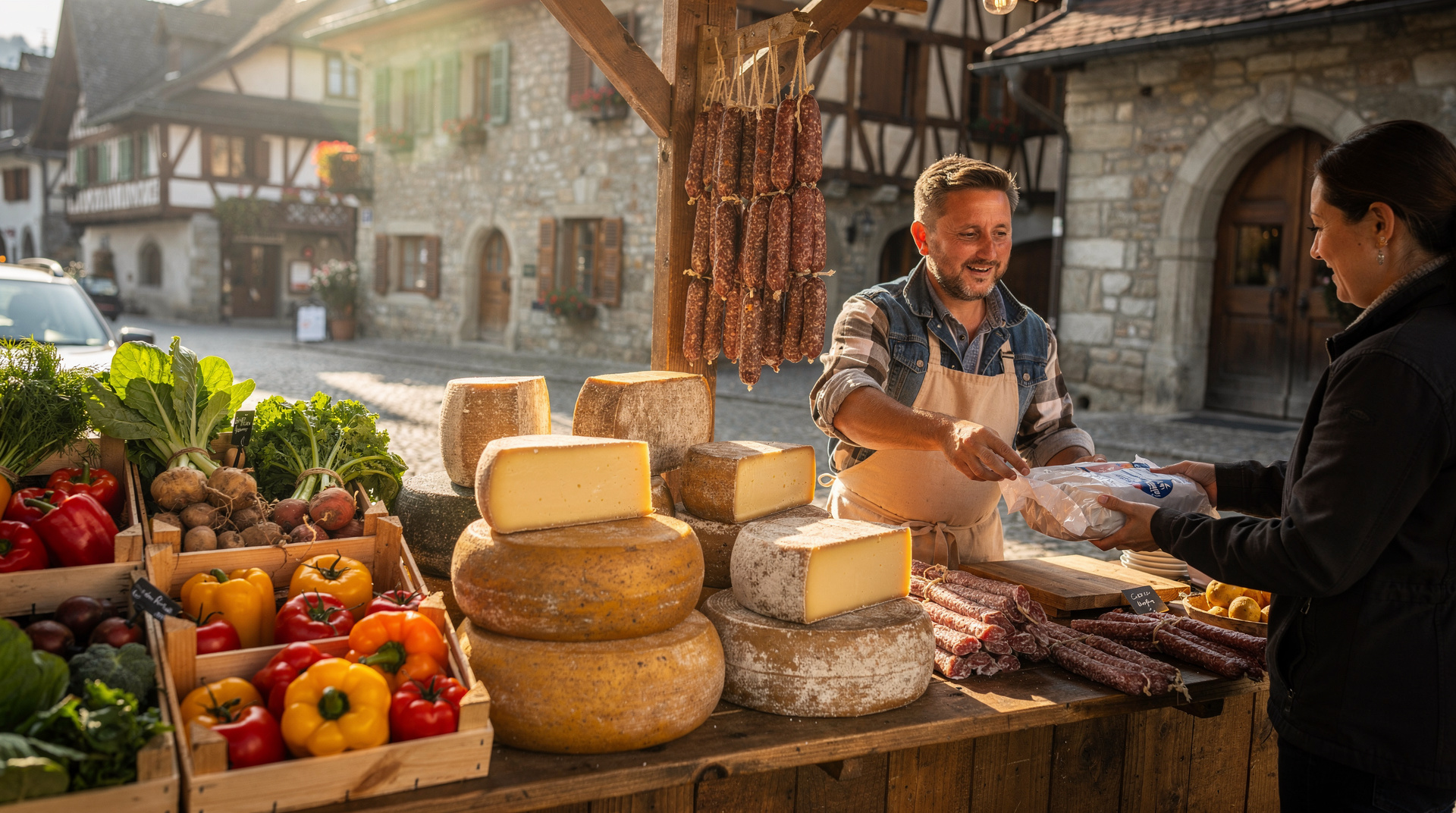
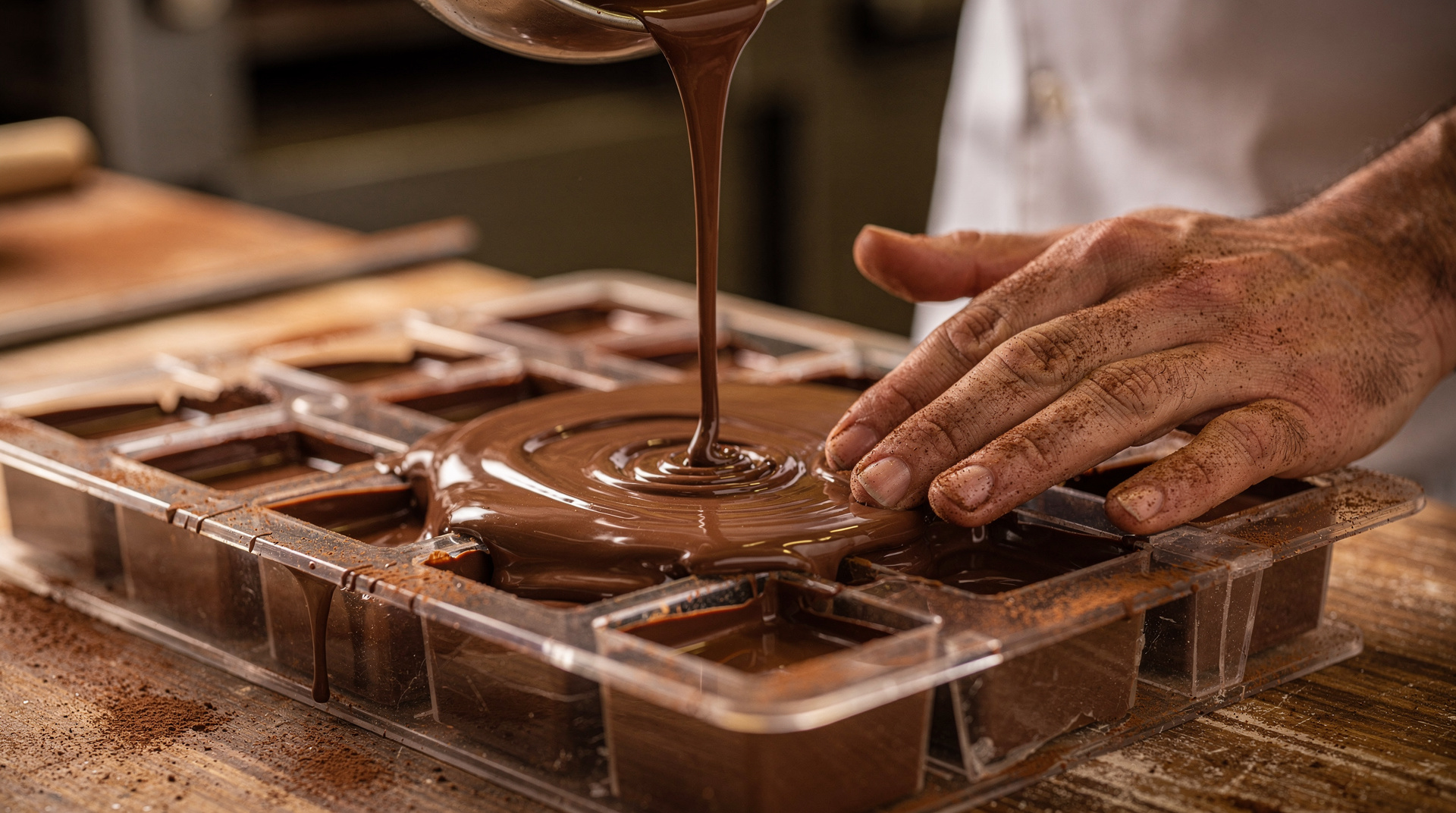
The food in Swiss homes, traditional restaurants, and markets has always been something different. Swiss dairy is among the world’s finest — the milk of Alpine cattle grazing on diverse mountain meadows has a richness and complexity that industrial dairy cannot match. Swiss bread culture is serious and varied: over 200 distinct bread varieties are recognised, from the butter-enriched Zopf to the dense Rye of the Valais. Swiss charcuterie traditions, particularly in the French and Italian regions, produce products of genuine craft quality. And Swiss chocolate and cheese — both covered in detail elsewhere on this site — are among the world’s great food products.
German-Swiss cuisine: the heartland
Rösti
Rösti is the defining dish of German-speaking Switzerland and has become something of a cultural marker — the so-called “Röstigraben” (rösti ditch) is the informal border between German and French Switzerland, reflecting genuine cultural and culinary differences.
Rösti is a fried potato cake: grated potatoes (either raw or pre-cooked), formed into a flat round and cooked in butter or lard until golden and crispy on both sides. The basic version is simply potatoes and fat. Variations include Berner Rösti (with bacon and onion), and versions topped with fried eggs, Appenzeller cheese, or smoked salmon. The quality difference between good and mediocre rösti is significant — good rösti is crispy outside and yielding inside, with the potato flavour dominant. Bad rösti is greasy, dense, or underseasoned.
In Zurich, rösti is the canonical accompaniment to Zürcher Geschnetzeltes (creamed veal). In the Bernese Oberland and throughout the German-Swiss countryside, it appears at almost every meal.
Zürcher Geschnetzeltes
Thin strips of veal, sautéed quickly with mushrooms and shallots, finished in a cream sauce (sometimes with white wine and Kirsch), and served with rösti. This is Zurich’s signature dish — a refinement of the older tradition of using every part of the veal calf, adapted into a restaurant classic of deceptive simplicity. The quality depends almost entirely on the veal: Swiss rose veal, from calves raised on dairy farms, has a mild, delicate flavour that cream sauce complements without overwhelming.
Zopf bread
A braided egg bread (the name means braid), similar to challah but with butter rather than oil, giving a richer and slightly denser texture. Eaten at weekend breakfasts with butter and jam. Not readily available outside Switzerland — the braiding technique and the specific Swiss butter content make it distinctively local. Every Swiss bakery makes it; supermarket versions are acceptable but a good bakery version is considerably better.
Birchermüesli
Dr. Maximilian Bircher-Benner developed this dish in the 1900s at his Zurich clinic as a therapeutic food. The original recipe is simpler than most modern versions: grated apple, oats soaked overnight in water and lemon juice, condensed milk, and chopped hazelnuts. The contemporary Swiss version uses yoghurt or cream instead of condensed milk, and adds various fresh fruits.
The distinction between Birchermüesli and the toasted granola-style muesli sold internationally is complete. Swiss Birchermüesli is soft, moist, fruit-forward, and not sweet. It is genuinely excellent for breakfast and wildly different from the dried cereal product that borrowed the name abroad.
Älplermagronen
Alpine macaroni: a one-pot dish of short pasta cooked with potatoes, then baked with cream and cheese (usually Gruyère or Appenzeller) and topped with crispy fried onions. Served with apple sauce or compote as the traditional accompaniment. It is the Swiss mountain equivalent of mac and cheese — deeply satisfying, calorie-dense, and appropriate after a day on a hiking trail.
Landjäger
A small, hard, semi-dried sausage eaten as a snack. Made from beef and pork, seasoned with caraway, garlic, and black pepper, and dried to a firm texture that keeps without refrigeration. Found at train stations, mountain huts, and market stalls throughout German-speaking Switzerland. An essential hiking snack.
Raclette
The Raclette cheese of the Valais, scraped from a heated half-wheel onto boiled potatoes with cornichons and pickled onions. One of Switzerland’s most ancient dishes — written references to Alpine herdsmen melting cheese over campfires date to the 13th century. Now served at dedicated raclette restaurants, at fondue establishments, and on home tabletop grills.
French-Swiss cuisine: the Romand tradition
Fondue
Already covered in detail in the fondue guide, but worth noting here that fondue’s cultural home is the French-speaking Fribourg region, where the moitié-moitié recipe (Gruyère and Vacherin Fribourgeois) originated. The word fondue itself comes from the French fondre (to melt).
Lake fish: perch, féra, and trout
The French-speaking cantons border Lake Geneva — the largest lake in Western Europe — and the lake’s fish have been central to the region’s cuisine for centuries. Lake perch (perche) is the most prized: small, mild, and delicate when pan-fried quickly in brown butter. Féra is a whitefish endemic to Lake Geneva with a richer flavour than perch. Trout from the lake tributaries appears at upscale restaurants. These fish are not exported and cannot be found outside the region.
Cardoon (cardon)
The cardon (cardoon, a relative of the artichoke) has been cultivated in the Geneva basin since the 16th century and has AOP status. The stalks are blanched and cooked in a cream, cheese, and bone marrow gratin. It is a seasonal dish associated primarily with Christmas in Geneva, but available in speciality restaurants throughout autumn and winter. Deeply specific and worth seeking out.
Longeole
A fresh pork sausage made with fennel seeds, a Geneva speciality with AOP status that cannot legally be made outside the canton of Geneva. Cooked slowly by simmering (never grilled), served with boiled potatoes or lentils. An acquired taste — the fennel is assertive — but a genuine product of the Geneva food heritage.
Moutarde de Bénichon
A sweet mustard made with Swiss white wine, cinnamon, anise, and other spices, eaten with a specific bread (Cuchaule, a saffron-flavoured brioche) at the autumn Bénichon festival in Fribourg. This is one of Switzerland’s most unusual flavour combinations — mustard as a sweet condiment — and represents the kind of hyper-local food tradition that only exists within a few valleys.
Italian-Swiss cuisine: the Ticino tradition
Risotto
Rice cultivation arrived in the Ticino region via Lombardy, and risotto is embedded deeply in the local food culture. Ticino risotto is made with Carnaroli or Vialone Nano rice in the northern Italian manner — toasted dry in fat, built up with ladles of warm stock, finished with butter and Parmesan. Seasonal variations include risotto con luganiga (the local sausage), risotto al pomodoro (simple tomato), and risotto con asparagi (asparagus, a spring obsession in Ticino).
Polenta
Yellow polenta (from maize flour) appears throughout Ticino as a starchy side dish or as the base for heartier preparations. Polenta pasticciata — polenta baked with cheese and mushrooms — is a typical autumn dish. Cold polenta sliced and grilled is served with game and with grilled sausages. The texture and preparation here differs from Swiss German-style polenta (which tends to be creamier) — Ticinese polenta is often firmer and more rustically presented.
Luganiga sausage
A fresh pork sausage sold in coils, mildly spiced with pepper and herbs, made throughout Ticino and named for the canton. Grilled over an open wood fire is the canonical preparation. Found at every butcher, market, and grotto in the canton.
Chestnut dishes (castagne)
The chestnut forests of the Ticino foothills produce an annual autumn harvest that affects the entire regional cuisine from October to December. Roasted chestnuts (maroni) from street vendors are an essential experience. Chestnut flour appears in pasta (pasta di castagne), bread, polenta, and desserts including the famous vermicelles — a dessert of chestnut purée pressed through a fine die to create spaghetti-like strands, served with whipped cream.
Grotto dining
The grotto experience — stone-walled former larders evolved into informal restaurants — deserves its own category. The food at a genuine Ticino grotto is simple, seasonal, and focused on quality ingredients. An antipasto of affettati (cured meats — salami, pancetta, coppa), followed by risotto or polenta, followed by a grilled meat or cheese, with a carafe of house Merlot del Ticino. This is the southern Swiss equivalent of a Provençal mas or a Tuscan agriturismo — the atmosphere and the setting are as important as the food.
Restaurant customs in Switzerland
Reservations
Booking is expected at mid-range and upscale restaurants in cities, particularly on Friday and Saturday evenings. In mountain restaurants and village trattorias, walk-ins are more accepted but rarely guaranteed in peak season. Booking by email or phone is easy; the Swiss are reliably organised about confirmation.
Tipping
Tipping in Switzerland is appreciated but not obligatory in the same way as in North America. Service charges are included in restaurant prices by law. A tip of 5-10% for good service is the norm — rounding up the bill is the most common approach. At a café, leaving the change is sufficient. At a Michelin-starred restaurant, 10-15% is appropriate for excellent service.
Meal times
Swiss restaurants typically serve lunch from 12:00-14:00 and dinner from 18:30-21:30. Outside these windows, many traditional restaurants serve nothing or only cold plates. City restaurants and cafes operate more continuously, but the traditional meal-time culture persists in smaller towns and village restaurants.
The prix fixe lunch (Tagesgericht/Menu du jour)
Almost all traditional Swiss restaurants offer a prix fixe lunch — a two-course or three-course menu at a fixed price, typically CHF 18-30. This is the best value way to eat at a high-quality restaurant: you get the same kitchen, the same chef, and often the same dishes as the dinner menu at a fraction of the price. Ask for the “Tagesgericht” (German) or “Menu du jour” (French) — it is usually written on a chalkboard, not on the main menu.
Seasonal eating in Switzerland
Swiss food follows the seasons more closely than most Western countries:
- Spring (March-May): Asparagus season is taken seriously — white asparagus from the Rhine plain appears in late April and every restaurant features it. Morel mushrooms emerge with the first warm weather.
- Summer (June-August): Stone fruits from the Valais and Lake Geneva region (apricots, cherries, peaches) are exceptional. Markets overflow with Alpine vegetables. Lake fish are at their best.
- Autumn (September-November): Chestnuts in Ticino; new wine (Federweisser) in German Switzerland; game meats (deer, chamois, wild boar) on menus across the country; the new vintage Chasselas from Lavaux.
- Winter (December-February): Fondue and raclette dominate. Rösti with game stews. Christmas markets with Glühwein (mulled wine), roasted chestnuts, and traditional biscuits.
The Röstigraben: Switzerland’s culinary cultural divide
The informal term “Röstigraben” — literally the “rösti ditch” — describes the cultural and culinary divide between German-speaking Switzerland and French-speaking Switzerland. The term acknowledges that the two linguistic regions of the country have genuinely different food cultures, different attitudes toward meal times and eating habits, and different relationships with their respective linguistic neighbours.
German Switzerland tends toward more generous portions, more dairy-intensive cooking, a strong bread culture, and a preference for beer and local wines with meals. Restaurant service is efficient, and the midday lunch is a serious meal. Portion sizes are large by Western European standards.
French Switzerland (Romandie) takes a more French-influenced approach: longer meals with more courses, greater attention to wine pairing, a stronger café culture, and more delicate plating. The influence of French culinary tradition is direct — many cooks trained in Lyon or Paris bring those techniques back. Restaurant service is less hurried and reservations are more important.
These cultural differences are real but not absolute. The two food cultures overlap and influence each other, particularly in cities like Biel/Bienne and Fribourg that sit directly on the linguistic border. The joke that German Swiss eat to live while French Swiss live to eat is too simple, but there is something in it.
Ticino sits outside this binary entirely. Its food culture is Italian-influenced at the level of ingredients, techniques, and eating habits. Lunch is the main meal of the day. Pasta and risotto are as normal as bread and potatoes. Wine is almost universally Merlot del Ticino or its close cousins from Lombardy over the border.
Organic and natural food in Switzerland
Switzerland has one of the highest proportions of organic farming in Europe, and the Migros and Coop supermarkets both carry extensive “Bio” ranges at prices only slightly above conventional equivalents. The Demeter biodynamic certification is well-represented among Swiss producers.
The natural food and organic market scene is strongest in Zurich and Basel, where dedicated shops like Biomarkt and the Coop Natural food stores offer ranges beyond what is available in supermarkets. Zurich’s Saturday market at Bürkliplatz has a substantial organic section.
Swiss food labelling distinguishes between “Bio” (certified organic) and “Naturland” (sustainable but not necessarily organic). Swiss law requires country-of-origin labelling on fresh products, which makes it easy to identify locally produced food.
Vegetarian and vegan Switzerland
Switzerland is reasonably accommodating for vegetarians in cities, but traditional Swiss cuisine is meat and dairy-centric. In rural areas and mountain restaurants, vegetarian options can be limited to a salad and a pasta dish. Veganism is more challenging — Swiss traditional cooking relies heavily on butter, cream, and cheese in ways that are difficult to adapt.
The cities have a different picture: Zurich has a well-developed vegan and vegetarian restaurant scene, including dedicated vegan restaurants, plant-based Swiss comfort food options, and international cuisines that accommodate dairy-free diets naturally. Geneva’s international population supports a broader range of dietary option restaurants.
The word to know: “vegetarisch” (German) or “végétarien” (French) gets you a vegetarian response; “vegan” or “végétalien” is understood in cities. In mountain restaurants, it is worth calling ahead.
The three cuisines at a glance
| Region | Signature dish | Typical price | Best cities to try it |
|---|---|---|---|
| German Switzerland | Rösti, Zürcher Geschnetzeltes | CHF 30-45 | Zurich, Lucerne, Bern |
| French Switzerland (Romandie) | Fondue, lake perch | CHF 35-55 | Geneva, Lausanne, Montreux |
| Italian Switzerland (Ticino) | Risotto, grotto dining | CHF 30-50 | Lugano, Locarno, Bellinzona |
Eating on a budget in Switzerland
Restaurant prices in Switzerland are genuinely high by European standards, but eating well without overspending is entirely possible. The prix fixe lunch (see above) is the single best value move. Beyond that, Migros and Coop supermarkets have excellent prepared-food counters — a sandwich, salad, or hot dish for CHF 8-15 is normal and quality is high. Bakeries sell Zopf, pastries, and simple lunches cheaply.
Train station food halls (Zurich HB, Geneva Cornavin, Bern HB) have a surprising range of quick, decent options at moderate prices. For a fuller strategy on keeping costs down across a whole trip, see our Switzerland budget guide and save money in Switzerland tips, or build a full budget itinerary around cheaper eating days between splurge meals.
Dining etiquette essentials
A few customs are worth knowing before your first meal. Bread and cutlery etiquette follows continental European norms (fork left, knife right, hands visible on the table). Sharing a fondue pot has its own small rituals — losing your bread in the pot traditionally means a round of drinks or a forfeit, taken lightly rather than seriously. For the fuller list of dining and social customs, see our etiquette guide, which covers greetings, punctuality, and tipping norms beyond the restaurant table.
Combining food with day trips
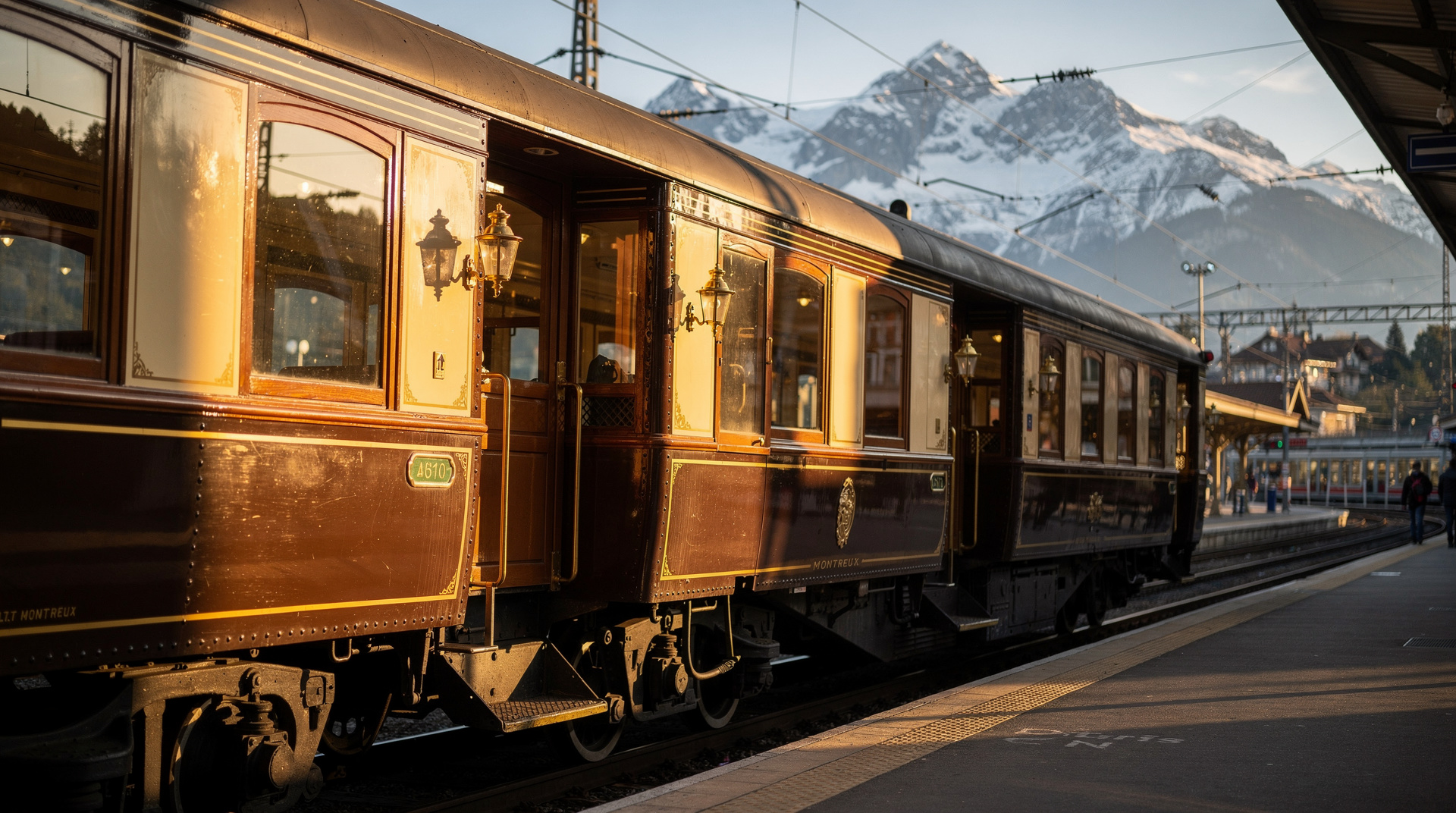
Several of Switzerland’s best food experiences are day-trippable from a single base. From Geneva, a single day can combine Gruyères and the Lavaux wine region — cheese, chocolate, and vineyard views in one loop. From Zurich or Lucerne, the chocolate train links a scenic rail journey with a chocolate-making stop. These combinations turn a food interest into a full day of sightseeing rather than a single restaurant booking.
Frequently asked questions about Swiss cuisine guide
Is Swiss food expensive? Yes, by international standards. A prix fixe lunch (CHF 18-30) is the best value; a la carte dinners commonly run CHF 35-60 per main course. Supermarket prepared food and bakeries are the practical way to eat well on a tighter budget.
Can vegetarians and vegans eat well in Switzerland? Vegetarians do fine in cities, less easily in rural mountain restaurants where options can be limited to a salad or one pasta dish. Vegan eating is more challenging outside Zurich and Geneva, since traditional Swiss cooking relies heavily on butter, cream, and cheese; calling ahead in smaller towns is worthwhile.
Where to learn more
For specific food experiences: the chocolate tours guide, cheese-making experiences guide, fondue guide, wine tasting in Lavaux guide, and food tours by city guide cover each category in depth.
For hands-on tasting, a traditional fondue experience in Zurich or a Gruyeres cheese and chocolate day trip from Geneva are excellent introductions to Swiss food culture.
For destination-specific eating: the Zurich, Lucerne, and Geneva destination guides include restaurant recommendations specific to each city.
The full food and drink section links to all culinary experiences covered on this site.