Swiss fondue experiences: types, restaurants and etiquette
What types of fondue exist in Switzerland?
The three main Swiss fondues are cheese fondue (moitié-moitié, vacherin, or gruyère), fondue chinoise (meat in broth), and chocolate fondue. Cheese fondue is the Swiss national dish.
Swiss fondue: the complete guide to Switzerland’s national dish
Fondue did not simply become Switzerland’s national dish by accident. In 1930, the Swiss Cheese Union began an aggressive international marketing campaign that promoted fondue as the quintessential Swiss experience, supplying fondue sets to Swiss embassies worldwide and coordinating promotion through the Swiss pavilion at the 1964 New York World’s Fair. It worked spectacularly. By the 1970s, fondue was a global food trend, and its association with Switzerland was cemented in ways that have persisted for decades.
But the marketing success should not obscure the fact that fondue is genuinely excellent food, deeply embedded in Swiss mountain culture long before the Cheese Union’s promotional efforts. In the Gruyères valley, in the Bernese Oberland, in Appenzell, and in the Valais, fondue was winter peasant food — a way to use the hard cheeses produced in summer when fresh food was scarce. The combination of melted cheese, white wine, and bread in a shared pot around a heat source is one of the simplest and most satisfying cold-weather meals in European cuisine.
This guide covers everything: the different types of fondue, the best restaurants and experiences in Switzerland, the cultural etiquette around fondue eating, and the practical details of finding and ordering the right fondue for your taste.
| At a glance | |
|---|---|
| Where | Best restaurants in Zurich, Geneva, and the village of Gruyères; mountain restaurants near Grindelwald and Zermatt |
| Cost | Around CHF 22-35 per person for a restaurant cheese fondue; fondue boats and igloos run roughly CHF 65-100 per person |
| Time needed | Allow 1-1.5 hours — fondue is not a rushed meal |
| Getting there | All featured cities and villages are reachable by SBB rail; the Swiss Travel Pass covers travel between them |
| Best time | Traditionally a winter dish (Oct-Mar for fondue boats and igloos), but served year-round in restaurants |
Zurich gourmet fondue tour — cheese fondue with cable car
Switzerland's most popular fondue experience: a scenic cable car ride to a mountaintop restaurant followed by a traditional moitié-moitié fondue with panoramic Alpine views.
- Free cancellation
Types of Swiss fondue
Cheese fondue
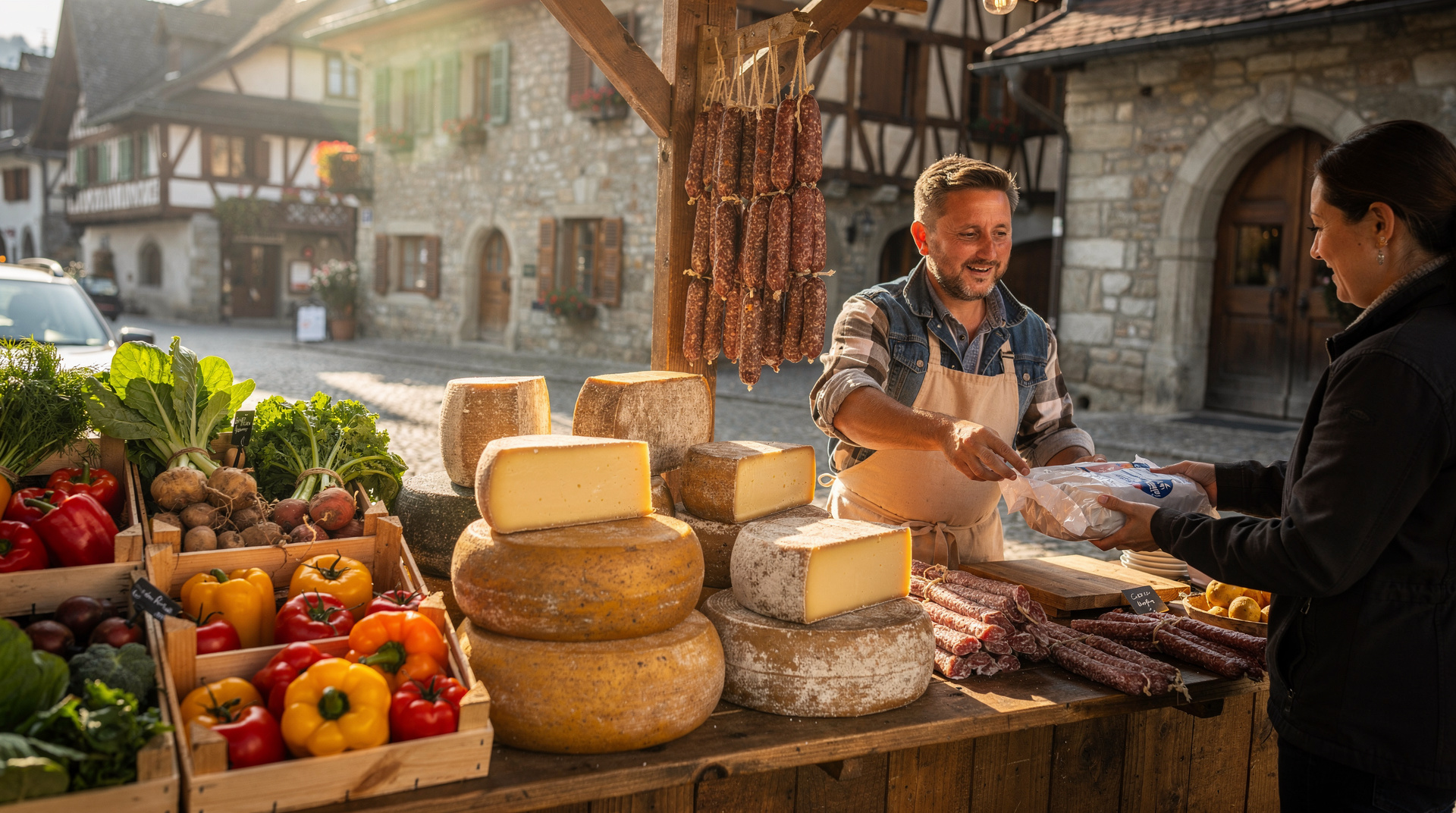
Cheese fondue is the original and still the most significant. A traditional fondue recipe involves melting hard Swiss cheese in a dry white wine with a touch of garlic, Kirsch (cherry schnapps), and cornstarch. The pot (called a caquelon) sits over a small burner at the table, and diners spear bread cubes on long forks and dip them into the molten cheese.
The key variable is which cheese(s) are used:
Moitié-moitié (half and half): The most classic Fribourg recipe, combining equal parts Gruyère and Vacherin Fribourgeois. The Gruyère provides the bold flavour and stretch; the Vacherin provides creaminess and a slightly tangy edge. This is the version most restaurants serve in the Fribourg, Geneva, and Lake Geneva regions.
Fondue au Gruyère: Using only Gruyère, which creates a more intensely flavoured, slightly grainier fondue. Predominantly eaten in the Gruyères area itself and by Gruyère purists.
Fondue au Vacherin: Using only Vacherin Fribourgeois. Creamier, milder, and more delicate than the moitié-moitié. This version requires more careful temperature control as it can separate more easily.
Appenzeller fondue: Using Appenzeller cheese, which is richer and more aromatic. The herbal-washed rind creates a more complex flavour. Found primarily in Appenzell and eastern Switzerland.
Neuchâtel fondue: A lighter, more wine-forward version from the canton of Neuchâtel, traditionally made with a blend of Gruyère and Emmental. The higher wine ratio makes it thinner and more acidic.
Raclette: the fondue cousin
Raclette is technically not fondue — instead of melting cheese in a pot, half a wheel of Raclette cheese is held near a heat source and the molten surface scraped (racler, to scrape) onto a plate. Served with boiled potatoes, small pickles (cornichons), and pickled silverskin onions. It is as embedded in Swiss food culture as fondue, and the two are often confused or conflated.
Authentic Raclette du Valais AOP uses cheese produced in the Valais canton. The flavour is richer and more complex than the mass-produced Raclette sold elsewhere.
Fondue chinoise (meat fondue)
Fondue chinoise is the second major category: thinly sliced raw meat cooked in hot broth at the table. The name is misleading — it has nothing to do with Chinese cuisine but refers to the wok-adjacent concept of cooking in communal liquid. Swiss fondue chinoise typically uses beef, veal, or chicken, sliced paper-thin and cooked in a flavoured bouillon.
Served with a selection of sauces — béarnaise, tartare, mushroom, garlic aioli — plus salads and bread. This is lighter and less calorific than cheese fondue and is eaten year-round rather than being predominantly winter-specific.
Fondue bourguignonne is a related variant using hot oil rather than broth, with the meat deep-fried at the table. Less common now due to fire hazard concerns in modern restaurants.
Chocolate fondue
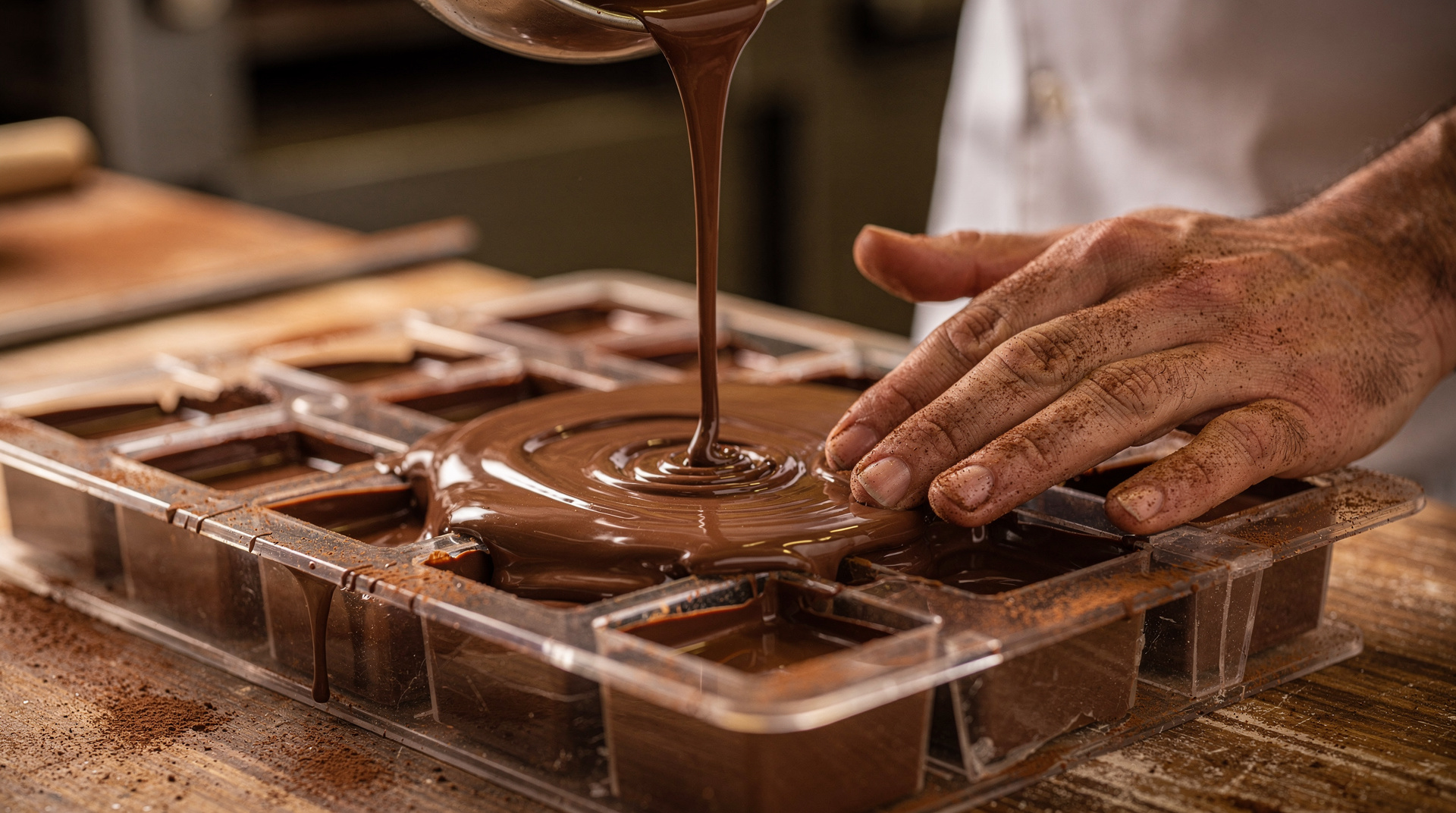
Chocolate fondue is the dessert completion of the fondue menu: melted chocolate in a small pot, with fruit, marshmallows, or cake pieces for dipping. It is most commonly encountered as a dessert option in restaurants that have already served cheese or meat fondue, or as a standalone experience at chocolate-focused venues.
For a full chocolate experience, Zurich offers chocolate fondue in the context of a culinary tuk-tuk tour:
Zurich culinary tuk-tuk tour with fondue and local tastingsFondue etiquette
Fondue is a social meal with a genuine culture of etiquette, some of which has real historical weight and some of which is playful tradition:
Do not double-dip: Once your bread cube has been in your mouth, do not return it to the pot. Use a fresh piece of bread for the next dip.
Stir in a figure of eight: When dipping, stir the cheese in a figure-eight pattern. This maintains the emulsion and prevents the cheese from sticking to the bottom of the caquelon.
If you drop your bread: The traditional penalty varies by region. In some areas, the person who drops their bread buys the next bottle of wine; in others, they must kiss the person next to them; in others still, they must sing a song. Ask at the restaurant what the local rule is — this is part of the social ritual.
Drink what the fondue drinks: The traditional pairing is white wine (the same wine used in the fondue), followed by Kirsch schnapps. Black tea and herbal tea are also traditional. Cold water is traditionally discouraged — the theory (disputed by modern nutritionists) is that cold water solidifies the cheese in the stomach. Many Swiss people drink white wine, warm tea, or nothing cold during a fondue.
The croûte (crust): At the end of the fondue, a crispy crust of caramelised cheese forms on the base of the caquelon. This is the most prized piece — traditionally distributed between diners. Some restaurants factor the crust into the serving ritual; others leave it to you to sort out.
Take your time: Fondue is a long meal by design. An hour to an hour and a half for a cheese fondue with accompaniments is normal. This is not a rushed experience.
Best fondue restaurants in Switzerland
Zurich
In Zurich, fondue is most authentically found in the old town and at the lake-view restaurants on the Limmatquai. Several specialist fondue restaurants operate year-round:
- Swiss Chuchi in Hotel Kindli (Altstadt) is one of the most highly rated traditional fondue restaurants in the city, serving moitié-moitié in a 13th-century cellar setting.
- Zeughauskeller near the Rathausbrücke is a large historic beer hall that also serves fondue in an atmospheric 15th-century armoury.
- Fondue boats (see below) operate on Lake Zurich from October to March.
- For a guided fondue evening with a local expert: Book the Zurich gourmet fondue tour with cable car — includes transport and a panoramic mountain restaurant setting.
Gruyères
The village of Gruyères in the Fribourg pre-Alps is the spiritual home of the moitié-moitié. Every restaurant in the village serves fondue made with local Gruyère and Vacherin — some use cheese produced that morning at La Maison du Gruyère at the foot of the hill. Restaurant Le Chalet de Gruyères and Auberge de la Halle are consistently well-rated. Reservations are essential on summer weekends.
Geneva
Geneva has several excellent fondue establishments in the old town (Vieille-Ville). Les Armures in the old town is probably the city’s most famous fondue restaurant, occupying a 17th-century building and serving both moitié-moitié and Neuchâtel fondue. Book the Geneva city tour with fondue cooking class to learn to make authentic moitié-moitié from scratch with a local chef.
Mountain restaurants
Perhaps the finest context for fondue is a mountain restaurant accessible only by cable car or on foot, where the combination of Alpine scenery, cold air, and physical activity creates exactly the conditions the dish was designed for. Many restaurants on walking routes in Grindelwald, Zermatt, Engelberg, and other mountain areas serve fondue for lunch — often at tables with direct views of snowfields and peaks.
Fondue boats (Fondue-Schiff)
Several Swiss lakes offer fondue boats — vessels equipped with fondue sets where guests eat dinner while cruising on the lake. The combination of the fondue ritual and the lake scenery is a popular winter experience. Operating seasons vary by location:
Lake Zurich: Multiple operators run fondue boat cruises from October to March, typically 2-3 hours with a full cheese fondue dinner. Prices from CHF 65-90 per person.
Lake Geneva (Lac Léman): The CGN operates fondue cruises from Lausanne and Geneva in winter.
Lake Lucerne: Fondue cruises available from Lucerne, typically evening departures from October to February. Book the Lucerne lake cruise with all-you-can-eat Swiss cheeses — the closest bookable equivalent to a Lake Lucerne fondue boat experience.
Booking in advance is essential for fondue boats — they are a popular date-night and group experience and fill up quickly on weekends.
Fondue igloos
A more recent experiential innovation: fondue in a heated outdoor igloo structure. Several mountain locations — including resorts in the Bernese Oberland, Graubünden, and Valais — now operate “fondue igloos” during winter, where groups of 2-6 sit in a small heated pod, visible from outside (with panoramic views of the snowscape visible to them), and share a fondue in complete privacy. The combination of winter landscape, candlelight interior, and communal cheese melting is a successful experience.
Fondue igloos are typically available from December to March, and reservations are essential — weeks in advance for popular venues. Prices range from CHF 70-100 per person including fondue, wine, and igloo hire.
Vegetarian and dietary considerations
Classic cheese fondue is naturally vegetarian but not vegan. The cheese and wine base is incompatible with a dairy-free diet. A few specialist restaurants now offer vegan fondue alternatives using cashew-based or plant-based cheese substitutes — these are found more easily in Zurich and Geneva than in smaller towns. Ask specifically; the dish does not adapt well to improvised substitutions.
Fondue chinoise can usually accommodate pescatarian requests (fish broth, seafood pieces) and some restaurants offer a vegetable version with tofu and seasonal vegetables in a mushroom or miso broth.
Gluten: the traditional bread accompaniment is a crusty white bread. Gluten-free bread alternatives are increasingly available on request in larger restaurants.
Pairing fondue with wine
Traditional Swiss wine pairings for cheese fondue:
- Fendant (Chasselas) from the Valais or Lake Geneva: The classic pairing. The wine’s neutral fruit, mineral character, and natural acidity cut through the fat without competing with the cheese.
- Neuchâtel white: Light, slightly petillant, and refreshing — traditional in the Neuchâtel fondue context.
- Vaud Chasselas from Lavaux: See the wine tasting Lavaux guide for context on why this particular wine works so well with cheese.
- Light Pinot noir: A less traditional but viable pairing for those who prefer red wine.
Kirsch (a clear cherry schnapps) is traditionally served alongside the wine — a small glass to sip or to add to the fondue itself. The Kirsch in the fondue acts as an emulsifier, helping to keep the cheese and wine combined smoothly.
Making fondue at home: the authentic recipe
Swiss visitors often want to recreate the fondue experience at home. The authentic recipe is simpler than most versions sold internationally, and the results are significantly better than packet fondue mixes.
The moitié-moitié recipe (for 4 people):
- 400g Gruyère AOP (grated)
- 400g Vacherin Fribourgeois (grated or thinly sliced — this cheese melts rather than grates well)
- 3 dl dry white wine (Chasselas or another dry white)
- 1 clove garlic
- 1 tablespoon Kirsch
- 1 teaspoon cornstarch (maizena) dissolved in the Kirsch
- White pepper and nutmeg to taste
Rub the inside of the caquelon (fondue pot) with the cut garlic clove, then discard. Add the wine and bring to a gentle simmer. Add the cheeses gradually in two or three batches, stirring constantly in a figure-eight pattern. When melted and smooth, add the Kirsch-cornstarch mixture. Season with white pepper and nutmeg. Keep the flame low enough to maintain a gentle simmer without boiling. Serve immediately with a crusty white bread cut into 2cm cubes.
The most common error in homemade fondue is overheating: too high a flame causes the proteins and fat to separate, resulting in a stringy, oily mess rather than a smooth emulsion. Keep the heat gentle and consistent.
If the fondue separates: add a small splash of white wine and stir vigorously. The additional acidity often rescues a separated fondue.
If the fondue is too thick: add warm white wine, a tablespoon at a time, stirring constantly until the consistency loosens.
If the fondue is too thin: increase heat slightly and continue stirring. The starch needs heat to fully thicken.
Fondue history: more complicated than the marketing suggests
The Swiss Cheese Union’s marketing success in the mid-20th century gave fondue an origin myth as ancient peasant food from the Alps. The true history is more complicated.
References to melted cheese dishes in Swiss historical records date to the 18th century, but the specific combination of Gruyère, wine, and communal pot eating that we call fondue appears in Zurich cookbooks only in the late 19th century. The moitié-moitié recipe was formalised even later — the combination of Gruyère with Vacherin Fribourgeois is a 20th-century standardisation.
The Cheese Union’s decision to brand fondue as Switzerland’s national dish in the 1930s-1950s was explicitly political and commercial: a way to boost Swiss cheese exports during the Depression by associating the product with Swiss national identity and hospitality. It worked better than anyone could have predicted. Fondue became the Swiss contribution to global food culture in the 1960s and 1970s — fondue sets were sold in department stores worldwide, and the dish became a fixture of the dinner party circuit from Minneapolis to Tokyo.
The irony is that this marketing success created genuine cultural resonance. By the time the Cheese Union’s promotional campaign faded in the 1990s (and the union collapsed in scandal), fondue had genuinely become embedded in Swiss domestic life in a way it had not been 60 years before. Today’s Swiss families do eat fondue at home, particularly in winter — in part because their grandparents were told to.
Which fondue to choose
| Type | Best for | Typical price | Where to find it |
|---|---|---|---|
| Cheese (moitié-moitié) | First-timers, classic winter experience | Around CHF 22-35 pp | Everywhere, especially Gruyères, Zurich, Geneva |
| Raclette | Those who prefer a lighter, potato-based meal | Around CHF 25-32 pp | Mountain restaurants, Valais |
| Fondue chinoise | Groups wanting something lighter and less rich | Around CHF 35-50 pp | Restaurants offering meat fondue, especially in French-speaking Switzerland |
| Chocolate | Dessert or a standalone sweet experience | Around CHF 15-25 pp as a dessert add-on | Zurich chocolate tours, specialist venues |
| Fondue boat / igloo | A memorable one-off winter experience | Around CHF 65-100 pp | Lake Zurich, Lake Lucerne, mountain resorts |
Frequently asked questions about Swiss fondue experiences
Can I get fondue in Switzerland outside of winter? Yes — restaurants in Zurich, Geneva, and Gruyères serve cheese fondue year-round. The seasonal experiences (fondue boats, igloos) are winter-only, typically October to March.
Is fondue expensive in Switzerland? A restaurant cheese fondue runs around CHF 22-35 per person, which is reasonable by Swiss dining standards. The specialty experiences — fondue boats, igloos, guided tours — cost more, generally CHF 65-110 per person, but include the setting and service as part of the price.
Where to find the full Swiss food picture
Fondue is one element of a rich Swiss cuisine that also encompasses raclette, rösti, Zürcher Geschnetzeltes, Birchermüesli, and a full range of regional specialties. For a comprehensive introduction to eating well in Switzerland, the Swiss cuisine guide covers the full landscape.
For guided food experiences in Swiss cities, the food tours guide covers the best operators in Zurich, Lucerne, Geneva, and Lugano. The full food and drink section links to all culinary experiences covered on this site.