Free things to do in Switzerland
What can you do for free in Switzerland?
Hike thousands of marked trails, swim in lakes, explore old towns (Bern, Lucerne, Zurich), visit free churches and parks, and enjoy 500+ free museums with the Swiss Travel Pass.
The best free things to do in Switzerland
Switzerland’s reputation for expense can obscure a fundamental truth: the things that make Switzerland extraordinary are largely free. The mountains, the hiking trails, the lake swimming, the medieval old towns, the valley walks — none of these cost a franc. The paid attractions (mountain railways, museums, boat cruises) are excellent additions, but the foundation of any great Switzerland trip can be built entirely on free experiences.
This guide covers 30 of the best free things to do in Switzerland, organized by category.
| Where | Nationwide — strongest in Zurich, Lucerne, Bern, Geneva, and the Bernese Oberland |
| Cost | Free in themselves; a few nearby paid extras (CHF 5-15) mentioned below |
| Time needed | A few hours per city, or build an entire budget-friendly multi-day itinerary around them |
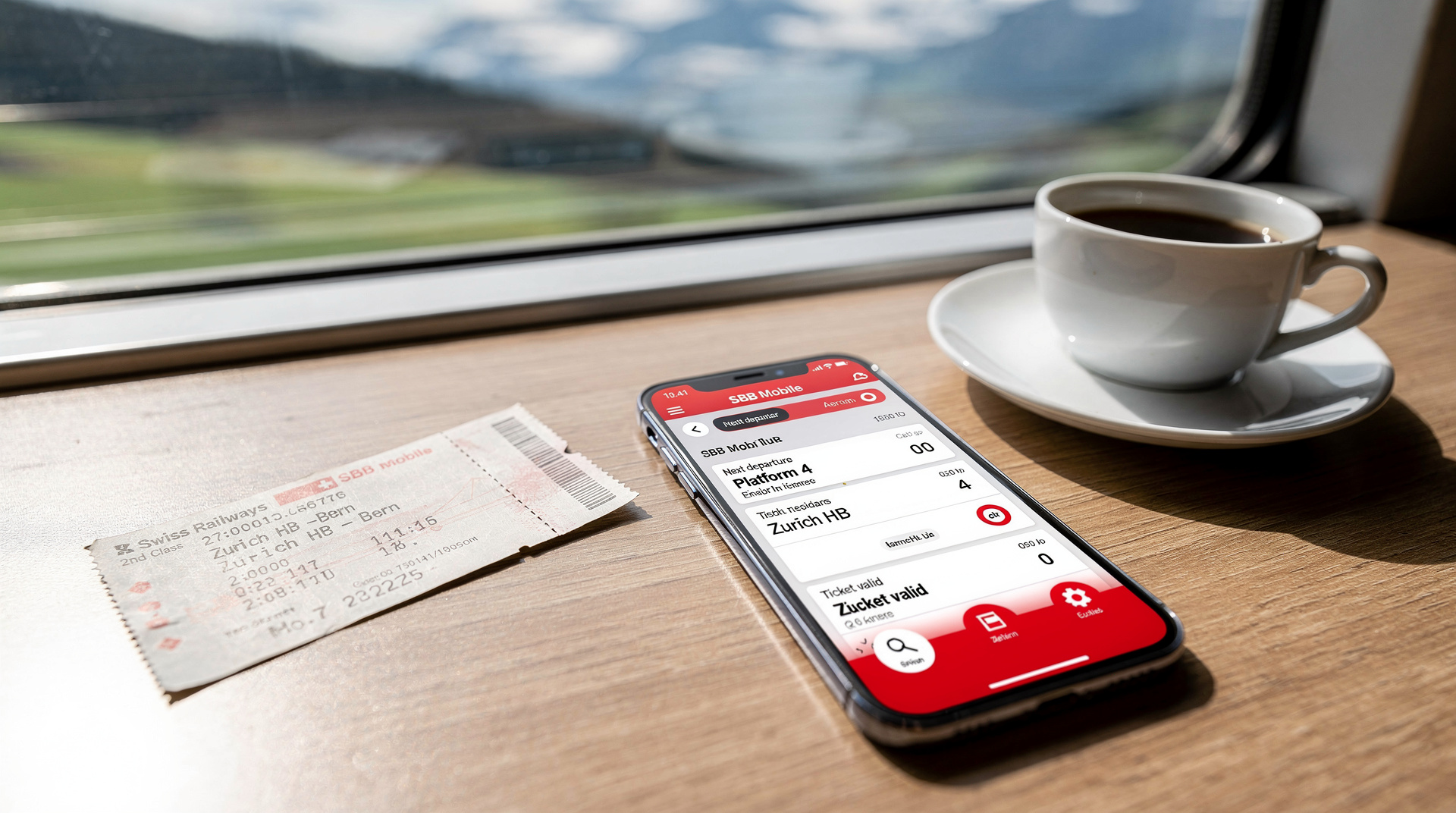
| Getting there | The Swiss Travel Pass makes city trams, most trains, and 500+ museums free on top |
| Best time | Roughly June-September for hiking and swimming; year-round for old towns, viewpoints, and city walks |
Free hiking
Hiking is the quintessential Swiss activity and the trail network is one of the best maintained and best-marked in the world. Over 65,000 km of trails are open to the public year-round (conditions permitting), ranging from easy valley walks to demanding Alpine traverses.
1. Walk the Lauterbrunnen valley
One of the most spectacular valley floors in the Alps. The Lauterbrunnen valley has 72 waterfalls and is framed by 1,000-meter rock walls on both sides. Walking from Lauterbrunnen village toward Stechelberg along the valley floor takes about 90 minutes one way and is completely flat, completely free, and completely extraordinary. Trümmelbach Falls (inside a mountain) charges for entry but the valley itself is free.
2. Hike from Wengen to Grindelwald
This classic trail traverses the slope below the Eiger’s north face, passing through forests, meadows, and small Alpine farms. The views of the Eiger, Mönch, and Jungfrau are comparable to anything you’d see from a paid viewpoint. Take the train up to Wengen (or walk up), then hike down to Grindelwald in approximately 3-4 hours.
3. The Rhine Path from Basel
The Rhine embankment path from Basel extends for miles in both directions, passing through meadows, vineyards, and small towns. Free, flat, and excellent for walking or cycling.
4. Walk from Bürgenstock to Beckenried
High above Lake Lucerne, the Bürgenstock ridge offers some of the finest lake views in Central Switzerland. The walk from the Bürgenstock resort (reachable by boat or cable car, both with cost) along the ridge is free once you’re up. The views over Lucerne and the Vierwaldstättersee are outstanding.
5. Schynige Platte to First Mountain
This 15 km ridge walk at 1,800-2,000m altitude in the Bernese Oberland is one of Switzerland’s great mountain hikes. Both endpoints are reachable by paid transport (Schynige Platte Railway and the First gondola from Grindelwald), but the walk itself is free. Wildflowers in June, panoramic views all summer.
6. Walk along any Swiss lake
Lake Zurich, Lake Geneva, Lake Constance, Lake Thun — all have walking paths along their shores ranging from city promenades to rural trails. The Zurichsee-Rundweg circles the entire lake (approximately 90 km), with sections passable as day walks from various train stations. Free.
7. The Aare Gorge walk (Aareschlucht)
Note: The Aareschlucht gorge near Meiringen charges CHF 11 for entry. But the paths along the upper Aare valley approaching it are free and beautiful — clear turquoise water, limestone cliffs, and a glacier-fed river.
Free lake swimming
8. Lake Zurich swimming areas
Lake Zurich has numerous free public “Badis” (swimming areas) along its shores, with grass for sunbathing, changing facilities, and the clear, cold water of an Alpine lake. The Tiefenbrunnen and Mythenquai Badis on the western shore are easily accessible by tram.
9. Lake Lucerne swimming
Mehrere swimming areas around Lucerne offer lake access. Strandbad Lido is the main one (small entry fee), but the area around Lucerne has free lake access points particularly to the east of the city.
10. Lake Geneva swimming
The Geneva lakefront has free swimming areas, particularly at Genève-Plage and Parc La Grange. The lake is large and the water is warmer than higher-altitude lakes.
11. Swimming in Swiss rivers
The most uniquely Swiss swimming experience: river swimming. In Bern, locals float down the Aare from Eichholz to the city center — a 30-minute drift through the capital. In Basel, the same thing happens on the Rhine, with waterproof floating bags available cheaply. In Zurich, the Limmat has swimming areas. All free.
Free old towns and historic areas
12. Bern’s arcaded old town
Bern’s medieval city center is a UNESCO World Heritage Site. Six kilometers of covered arcades (Lauben) shelter pedestrians from rain and sun. The clock tower (Zytglogge), the bear park, the rose garden with its views over the city — all free to visit. This is one of the finest medieval city centers in Europe.
13. Lucerne old town and Kapellbrücke
Walking across the 14th-century Kapellbrücke (covered wooden bridge) and exploring the painted facades of the old town around it is completely free. Lucerne’s old town is beautiful and compact — you can cover the main historic areas in a leisurely two-hour walk.
14. Zurich’s Altstadt
Zurich’s old town stretches along both banks of the Limmat river. The Grossmünster church (Romanesque, 12th century), Fraumünster (with Chagall windows), the narrow lanes of Schipfe and Lindenhügel — all free to explore. Climb the Grossmünster tower for CHF 5 for panoramic views.
15. Basel’s old town and Rhine embankment
Basel has a spectacular medieval old town rising from the Rhine, with the red sandstone Münster cathedral at its center. The minster terrace offers free views over the Rhine into Germany and France. The Marktplatz with its pink town hall is one of Switzerland’s finest squares.
16. Stein am Rhein
A perfectly preserved medieval village with frescoed facades on the main street (Unterstadt) that are among the finest examples of decorated buildings in Central Europe. The village itself is free to explore. Easily reached by train from Schaffhausen.
17. Gruyeres village
The hilltop village of Gruyeres (the town that gives the cheese its name) is free to walk around. The main cobbled street, the medieval character, and the mountain backdrop are all free. The castle charges CHF 12 for entry, and the cheese factory on the approach road has a viewing area. The village itself: free.
Free viewpoints
18. Lindenhügel, Zurich
The Lindenhügel (Lindenhügel hill, also called Lindenhügel or Lindensteig) above Zurich’s old town offers free panoramic views over the city and Lake Zurich. Reached by a pleasant walk from Zurich HB through the Altstadt.
19. Gurten, Bern
The local mountain of Bern, reachable by a short funicular (small fee) or on foot (free). The summit at 864m gives 360-degree views over Bern and the Alps. A popular picnic spot for locals.
20. Uetliberg, Zurich
Zurich’s local mountain at 871m. Reachable by the UB railway (included in zone 10, CHF 2.70 single, or free with Swiss Travel Pass). A marked trail from the summit gives views over the Zurich lake, the city, and the Alps. The short trail from the S10 station along the ridge is free.
21. Chillon Castle exterior
The Château de Chillon on Lake Geneva is one of Switzerland’s most photographed castles. Entry costs CHF 14.50, but the walk along the lake path from Veytaux gives free views of the castle from the lakeside and is worth doing regardless of whether you pay for entry.
Free museums (with Swiss Travel Pass)
If you have a Swiss Travel Pass, more than 500 museums across Switzerland are free. The following are highlights:
22. Swiss National Museum, Zurich
Switzerland’s main national history museum, covering prehistoric to modern times. Free with the Swiss Travel Pass (normally CHF 10). Located right at Zurich HB.
23. Swiss Museum of Transport, Lucerne
One of the best transport museums in Europe, with aircraft, trains, ships, and space exploration exhibits. Free with the Swiss Travel Pass (normally CHF 30).
24. Olympic Museum, Lausanne
The International Olympic Committee is headquartered in Lausanne and the Olympic Museum is outstanding. Free with the Swiss Travel Pass (normally CHF 20).
25. Historisches Museum Bern
Bern’s history museum including the Einstein Museum. Free with the Swiss Travel Pass.
If you don’t have the Swiss Travel Pass, many smaller regional museums have free entry or very low admission. Always check.
Free festivals and events
26. Zurich Street Parade (August)
One of the world’s largest techno and dance music parades, held each August in Zurich. Attendance is free. In 2025, it attracted over a million visitors. A genuinely extraordinary event.
27. Swiss National Day (August 1)
Switzerland’s national holiday is celebrated throughout the country with fireworks, bonfires, and public festivities. All free and often spectacular, particularly in lakeside towns where the fireworks reflect off the water.
28. Christmas markets
The Christmas markets of Zurich, Bern, and Basel (late November to December 24) are free to enter and wander. The Zurich Bellevue Noël at the opera house and the Basel Christmas market are among the finest in Europe.
29. Singing, alphorn, and traditional festivals
Switzerland has a rich calendar of traditional festivals, many free to watch. The Unspunnenfest (held at Interlaken), various alphorn and yodeling contests, and local village fests happen throughout the summer. Check regional event calendars.
Free scenic journeys
30. City tram rides (with Swiss Travel Pass)
With a Swiss Travel Pass, all city trams in 90+ Swiss cities are free. The Zurich tram 13 along the lake shore, the Geneva tram 2 through the waterfront, and the Basel tram 2 across the Rhine all offer scenic rides at no additional cost. A budget traveler’s sightseeing option.
Making the most of free Switzerland
The pattern is clear: Switzerland’s greatest experiences are either free or have a free version. The paid excursions to mountain summits are genuinely spectacular, but so are the free valley hikes beneath those same mountains. The CHF 30 museum entry is worthwhile but so is a free hour wandering the museum’s exterior and public spaces.
A Switzerland trip built primarily on free experiences — hiking, lake swimming, old town exploration, viewpoint walks, river floating — is not a compromise. It’s how most Swiss people experience their own country.
For strategic advice on when to spend and when to skip, see our guide to saving money in Switzerland and our full Switzerland travel budget.
The best time to visit Switzerland for outdoor free activities is June through September, with September being ideal for combining good weather, open mountain access, and fewer crowds. For transport around Switzerland to access these free activities, see our getting around guide.
Free experiences by region
Free things to do in Zurich
Zurich is Switzerland’s most expensive city, but many of its best experiences are free:
The Altstadt on foot: The old town on both sides of the Limmat river takes 2-3 hours to explore properly. The Grossmünster and Fraumünster churches are free to enter (small fee to climb the Grossmünster tower — CHF 5). The Lindenhügel viewpoint above the old town gives free panoramic city views.
Lake Zurich promenade: The lakeside promenade from Bürkliplatz stretches for kilometers in both directions. On clear days the Alps are visible at the lake’s end. Free and beautiful in any season.
Zurich’s Badis: The city’s swimming areas (Badis) along the lake and river are beloved by Zurich residents. The Frauenbadi and Männerbadi in the city center charge a small entry fee (CHF 6-8), but the outdoor lake access areas further along the shore are free.
Kunsthaus Zurich exterior and free days: The main collection charges CHF 23, but the Kunsthaus regularly has free entry days and some sections are always free. Check their website before visiting.
Zurich’s markets: The Bürkliplatz flea market (Saturdays, April-November) and the Rosenhof antique market (Thursdays and Saturdays) are free to browse and genuinely interesting.
Free things to do in Lucerne
The Kapellbrücke and old town: Walking across the Kapellbrücke and exploring the squares, fountains, and painted facades of Lucerne’s old town is free. One of Switzerland’s most iconic experiences at zero cost.
The dying lion (Löwendenkmal): This carved stone monument in a natural rock alcove — a dying lion commemorating the Swiss Guards killed in the French Revolution — is free to visit and genuinely moving. Mark Twain called it “the most mournful and moving piece of stone in the world.”
Lakeside parks: The lakefront parks and promenades around Lucerne are free to use. The view of the lake with the Alps reflected in calm water is one of Switzerland’s great vistas.
The Musegg Wall: Lucerne’s intact medieval city wall with nine towers is free to walk. Three of the towers can be climbed for free in summer.
Free things to do in Interlaken and the Bernese Oberland
Interlaken’s Höhematte park: The large open meadow in the center of Interlaken, with direct views of the Jungfrau massif, is completely free. Paragliders land here; the mountain backdrop is extraordinary. No entry, no charge, just one of the great free mountain views in Switzerland.
Harderbahn viewpoint: There is a paid gondola to Harder Kulm above Interlaken, and a self-guided Jungfraujoch trip from Interlaken if you want to go higher. But the walk up is free and gives similar views at no cost (allow 2-3 hours round trip, steep in places). See our Interlaken destination guide.
Lauterbrunnen valley waterfalls: The valley itself and the main waterfall visible from the road (Staubbachfall) are free. The paywall is at the Trümmelbach Falls (CHF 11), which is worth paying for, but the free valley walk is remarkable in itself.
Free things to do in Geneva
The Jet d’Eau and lakefront: Geneva’s famous water jet is free to walk to and view. The lakefront promenade (Quai du Mont-Blanc) is one of the finest free waterfront walks in Europe.
The Old Town: Geneva’s old town (Vieille Ville) with the St. Pierre Cathedral (free to enter), the Bastions Park, and the Reformers Monument is free to explore on foot.
The Red Cross Museum exterior and ICRC gardens: The museum itself charges CHF 15, but the gardens and public spaces of the international quarter around it are free and reflect Geneva’s unique status as an international city.
Parc des Bastions: The large public park in the old town, with the famous Reformers Monument and open chess sets that locals use for real games. Free, lively, and quintessentially Geneva.
Seasonal free activities
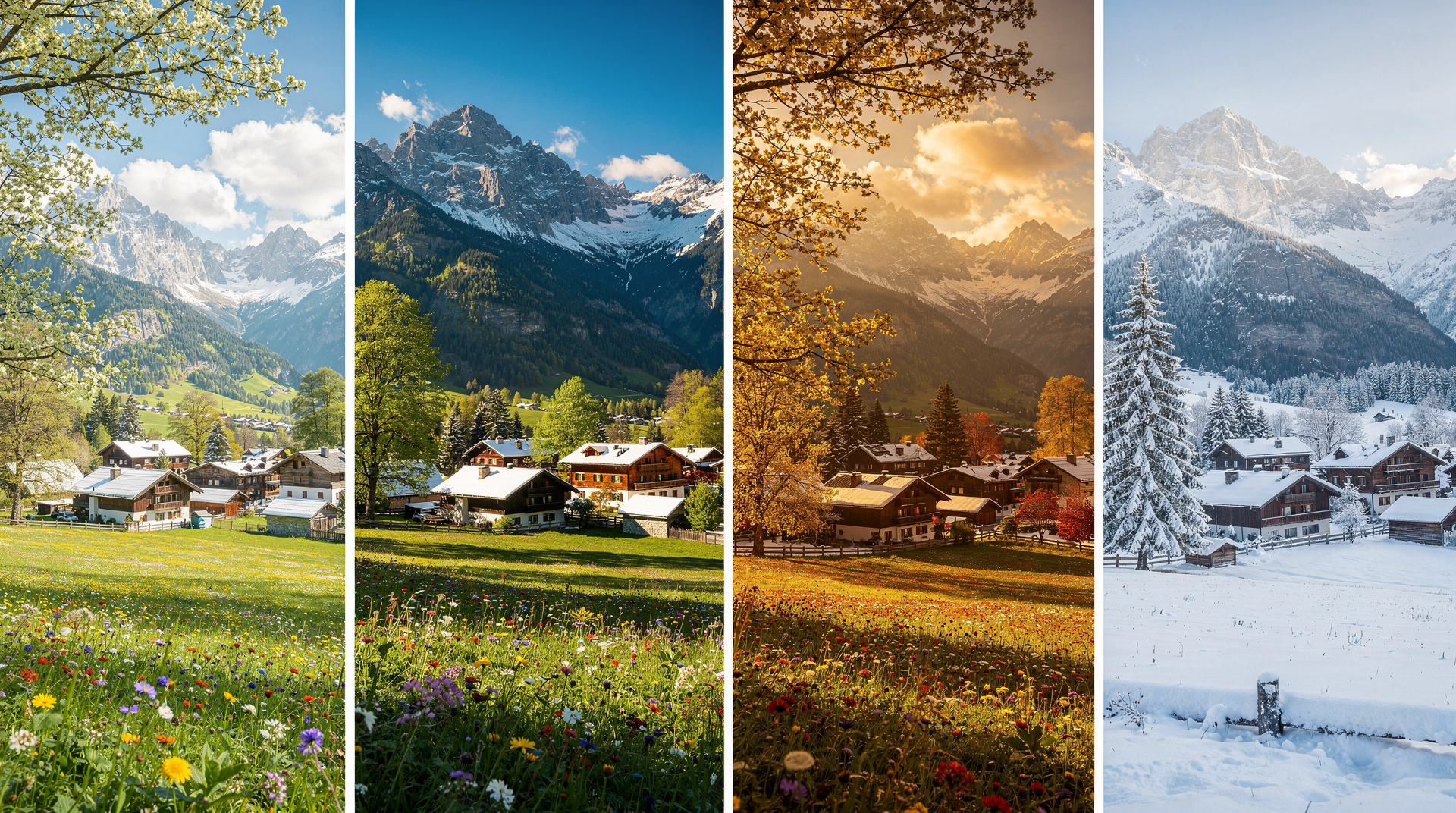
Spring (May-June): Wildflower meadows in lower Alpine areas. Free to walk through. The intensity of Alpine wildflowers — hundreds of species including edelweiss, gentians, and alpine roses — needs to be seen to be believed.
Summer (July-August): Open-air cinema events in many Swiss cities (often free or very cheap). Folk music at mountain festivals. Hiking in full bloom. Lake swimming at its warmest.
Autumn (September-October): Vintage season in wine regions — vineyards in the Lavaux near Lausanne and in Valais are beautiful in harvest time. Some domaines (wine estates) offer free cellar visits. Alpabfahrt (cattle descending from summer pastures) in mountain villages — free, charming, and a genuine piece of living Alpine culture.
Winter (November-December): Christmas markets free to browse. Many Swiss cities put up free public ice rinks (some free, some small fee). The glow of Christmas lights in Swiss old towns is beautiful and costs nothing.
Free activities by season, at a glance
| Season | Weather | Crowds | Best free picks |
|---|---|---|---|
| Spring (May-Jun) | Mild, wildflowers low-to-mid altitude | Low-moderate | Wildflower meadows, old towns, lakeside walks |
| Summer (Jul-Aug) | Warm, best for swimming | High, especially Interlaken and Lucerne | Lake swimming, river floating, Alpine hiking, Street Parade |
| Autumn (Sep-Oct) | Cooling, clear light, harvest | Moderate, best value shoulder | Vineyard walks in Lavaux, Alpabfahrt, hiking |
| Winter (Nov-Dec) | Cold, snow at altitude | Moderate (Christmas markets busy) | Christmas markets, old town lights, free ice rinks |
Free things to do with kids
Families travelling on a budget can lean heavily on free activities. Bern’s bear park (BärenPark) is free and a guaranteed hit with children. The Höhematte park in Interlaken doubles as a picnic spot with mountain views and space to run around. Lake swimming areas (Badis) with grass and shallow entry points work well for younger children, and the Musegg Wall towers in Lucerne turn a history walk into a mini adventure. For a full day of structured (paid) family activities to combine with these free anchors, see our best family activities guide and museums for kids.
Combining free and paid experiences
The most efficient way to use a Switzerland trip budget is to pair one paid “hero” experience per day with free activities around it. In Zermatt or Grindelwald, for example, the paid cable car up gets you the big Alpine view (the Jungfraujoch round-trip railway ticket from Grindelwald is the big-ticket version), but the walk back down (or a valley-floor trail nearby) is free and often just as memorable. In cities, a single paid museum entry (or a free one via the Swiss Travel Pass) pairs naturally with a free old-town walk before or after. Our save money guide goes deeper into this one-paid-anchor-per-day approach.
The philosophy of free Switzerland
The most expensive things in Switzerland are the things that have a structure around them — a station, a lift, a gondola, a restaurant with a view. The things with no structure — a hillside, a lake, a forest path, a river — are free. Switzerland has invested enormous public money in its trail network, its public beaches, its city parks, and its community spaces. These are genuinely world-class and genuinely free.
A well-planned Swiss trip balances the paid iconic experiences (which are worth it) with the free ones (which are equally extraordinary). Don’t let budget constraints turn you away from Switzerland — let them guide you toward the parts of Switzerland that money can’t improve.
For strategies on making the most of both free and paid experiences, see our 25 tips to save money in Switzerland and our comprehensive Switzerland travel budget guide.
Frequently asked questions about Free things to do in Switzerland
Is Switzerland actually affordable if you stick to free activities?
Free activities remove the single biggest discretionary cost (excursions and museum tickets), but accommodation, food, and transport in Switzerland remain expensive by European standards. See our guide on whether Switzerland is expensive for realistic daily budgets.
Do free hiking trails require any special gear?
Most valley and low-Alpine trails covered here need only sturdy walking shoes and a layer for wind. Higher routes above 2,000m or shoulder-season hikes benefit from proper boots and a rain shell — see our easy hikes guide for beginner-friendly options with minimal gear needs.