How to save money in Switzerland: 25 practical tips
How can I save money in Switzerland?
Buy the right pass (Swiss Travel Pass or Half Fare Card), eat at Coop/Migros restaurants, travel in shoulder season, stay in hostels or Airbnbs, and take advantage of free activities like hiking.
25 practical tips to save money in Switzerland
Switzerland is expensive. There’s no point pretending otherwise. But it’s also a country where smart planning can cut your costs dramatically without cutting the quality of your experience. Many of the best things in Switzerland — the hiking, the mountain views, the old towns, the lake swimming — are completely free.
These 25 tips are practical and specific, not generic travel advice recycled from five years ago. They reflect current prices (2026) and real strategies that make a material difference.
| At a glance | |
|---|---|
| Biggest lever | Choosing the right transport pass — can swing costs by CHF 150-200 |
| Daily food saving | Eat at Coop/Migros restaurants — CHF 20-40/day versus tourist restaurants |
| Best timing | September travel — accommodation around 15-30% cheaper than July/August |
| Free experiences | Hiking, lake swimming, old towns — many of Switzerland’s best things cost nothing |
| Realistic budget range | Backpacker around CHF 100-150/day; comfortable mid-range CHF 250-350/day |
Transport savings
1. Do the pass calculation before you book
The single biggest savings opportunity is choosing the right transport pass. The Swiss Travel Pass and the Half Fare Card are both good options — but for different travelers. Buying the wrong one can cost CHF 100-200.
Do this: list your planned journeys at full price using sbb.ch. If the total is over CHF 300, compare the Swiss Travel Pass (CHF 244-513 depending on days) to the Half Fare Card (CHF 150 flat) at half-price ticket totals. The right choice is the cheaper number.
See the full Swiss Travel Pass vs Half Fare Card comparison.
2. Buy the Half Fare Card if you’re doing 2-3 travel days
The Half Fare Card is underused by tourists who default to the Swiss Travel Pass. At CHF 150 for one month, it pays for itself after two or three long train journeys. Zurich to Interlaken costs CHF 30 at half price, and the Jungfraujoch is half price too (see the price calculator on jungfrau.ch for your route) — add those up before counting anything else.
Buy the Half Fare Card on GetYourGuide3. Travel on slow trains for scenic routes
Switzerland’s regional and slower intercity trains often follow the same scenic routes as the famous tourist trains, at a fraction of the price. The regular train along the Rhine from Basel to Schaffhausen is beautiful. The S-Bahn along Lake Zurich competes with any scenic rail journey. Check whether the “tourist” route is the only way to see what you want.
4. Book scenic train seats early for savings
The Glacier Express requires a seat reservation (CHF 54 in first and second class in 2026). In peak summer, these sell out. Book early — not because it’s cheaper (the reservation fee is fixed) but because without a reservation you can’t travel on that train at all. Scrambling to buy last-minute is a waste of time and sometimes impossible.
5. Use city day passes wisely
If you’re spending a full day in a Swiss city and taking multiple trams or buses, a day pass is almost always better value than single tickets. In Zurich, a day pass for zones 10+21 costs CHF 8.80 (CHF 4.40 with Half Fare Card) versus CHF 2.70 per single ride. Three rides and you’re ahead. Covered free with a Swiss Travel Pass.
6. Walk more in cities
Switzerland’s city centers — the old town in Lucerne, the historic center of Geneva, Zurich’s Altstadt — are compact and very walkable. The tram is faster but walking is free and often reveals things you’d miss from a tram window.
7. Don’t take taxis
Swiss taxis are genuinely expensive. A taxi from Zurich Airport to the city center costs CHF 55-70. The train takes 13 minutes and costs CHF 6.80. There is almost never a situation where a taxi is the right choice when Swiss public transport is available.
Accommodation savings
8. Stay in hostels — Switzerland’s are very good
Swiss hostels are not the backpacker disasters of some countries. Zurich, Bern, Interlaken, and Lucerne all have well-maintained, clean hostels with excellent facilities. Dorm beds run CHF 35-55. Private rooms in hostels go for CHF 90-140 — often better value and cleaner than cheap hotels.
9. Stay one or two stops outside city centers
Train frequency means that a hotel 15-20 minutes from a city center costs 30-50% less. In Zurich, hotels in Oerlikon or Schlieren are significantly cheaper than the center. In the Bernese Oberland, consider Spiez rather than Interlaken. You’ll still be there in minutes.
10. Visit in shoulder season
September-October and May-June offer accommodation that’s 15-30% cheaper than July-August peak rates, with almost identical experiences. September is particularly good: all mountain services still open, summer weather, thinner crowds. See our best time to visit guide.
11. Look for guest cards in mountain resorts
Many mountain resort accommodations include a guest card (Gästekarte) that gives free or discounted valley transport, swimming pools, and other local amenities. This effectively reduces your daily costs. Ask when booking whether a guest card is included.
12. Book campsites for summer
Swiss campsites are excellent — often in spectacular locations by lakes or in mountain valleys. Camping in Interlaken, Spiez, or at Lake Lucerne costs CHF 20-40 per person per night. This is significantly cheaper than any hostel and often has a better view.
Food and drink savings
13. Eat at Coop and Migros restaurants
This is the number one food tip. Both supermarket chains have sit-down cafeteria-style restaurants (usually called “Coop Restaurant” or “Migros Restaurant”) serving hot, fresh meals for CHF 12-18. Swiss people eat at these regularly. A daily special typically costs CHF 12-15. These are not sad canteens — they have proper menus with fresh salads, hot dishes, and decent desserts.
14. Buy supermarket lunches
A Coop or Migros sandwich, wrap, or ready salad costs CHF 5-8. Combined with fruit (CHF 1-3) and a coffee from a machine (CHF 2-3), you have a perfectly adequate lunch for CHF 10-12. Do this once a day and you save CHF 20-30 versus a cafe or restaurant.
15. Drink tap water everywhere
Switzerland has some of the world’s best tap water. The public fountains in cities (there are hundreds in Bern and Zurich) dispense drinking water. Carry a reusable bottle. Never buy bottled water — it’s expensive and completely unnecessary.
16. Shop at Aldi and Lidl
Switzerland has both chains, and they’re significantly cheaper than Coop or Migros for dry goods, snacks, and basics. If budget is a priority, shop here for everything you can. In Swiss cities: Aldi in Zurich (multiple locations), Lidl throughout the country.
17. Have your main meal at lunch
Swiss restaurants almost universally offer a “Tagesmenu” or daily lunch special — typically a two-course meal with drink for CHF 18-25. The same restaurant will charge CHF 40-60 per person at dinner. Eating your main hot meal at lunch and having a supermarket dinner saves CHF 20-40/day without sacrificing the restaurant experience.
18. Fondue: don’t just eat it in tourist restaurants
Traditional Swiss fondue is a genuine delicacy worth trying. But fondue in a tourist restaurant near the Kapellbrücke in Lucerne costs CHF 35+/person. A slightly less central restaurant charges CHF 22-28. The fondue is the same; the table location is different. Walk two streets from the main tourist area.
Activities and attractions savings
19. Hike — it’s free and world-class
Switzerland has over 65,000 km of marked hiking trails. The trail network is maintained, signposted, and free to use. The views from many hiking trails are equal to or better than the paid viewpoints above them. The hike from Wengen to Grindelwald (passing under the Eiger’s north face) is free. The hike from Mürren along the Schilthorn-facing ridge is free. These are among the best walks in Europe.
For more ideas, see our guide to free things to do in Switzerland.
20. Swiss Travel Pass for museums
If you’re already getting the Swiss Travel Pass for transport, note that it includes free entry to 500+ Swiss museums. The Swiss Museum of Transport in Lucerne (CHF 30), Kunsthaus Zurich (CHF 23), Olympic Museum in Lausanne (CHF 20), and hundreds more are all free. One or two museum visits like this can justify a significant portion of the pass cost beyond the transport savings.
21. Choose “free with pass” mountains over premium peaks
Some mountain excursions are free with the Swiss Travel Pass:
- Rigi: free
- Rochers-de-Naye near Montreux: 50% off
Others charge even with the pass:
- Mount Pilatus: 50% off (CHF 42 for the summer return trip)
- Jungfraujoch: 25% off (surcharge railways not included)
- Schilthorn: 50% off
If budget is tight, building your mountain excursion list around the free-with-pass options versus the discounted-with-pass ones can save CHF 50-100 per excursion.
22. Take the free side of mountain routes
Many mountain excursions have a “up on the cogwheel, down on the gondola” round trip that costs CHF 70-100. But sometimes the views from the first stage are nearly as good as the summit. The cogwheel railway up Pilatus (going up, looking across at the Alps) offers spectacular views before you even reach the summit. Evaluate whether the incremental summit cost is worth it.
23. Swim in lakes — they’re beautiful and free
Lake swimming is a quintessential Swiss summer experience. Most Swiss lakes have free public swimming areas (Badestellen) with changing facilities, grass for sunbathing, and clean, cold water. Lake Zurich, Lake Lucerne, Lake Thun, Lake Brienz — all free. Even the rivers in Swiss cities (the Aare in Bern, the Limmat in Zurich) are used for swimming and rafting in summer.
24. Visit old towns — they’re free and beautiful
Lucerne, Bern, Basel, Stein am Rhein, Murten, and dozens of other Swiss towns have extraordinary old town centers. Medieval architecture, covered arcades, fountains, and squares — all free to explore. Some of Switzerland’s most memorable experiences require nothing but walking and a good pair of shoes.
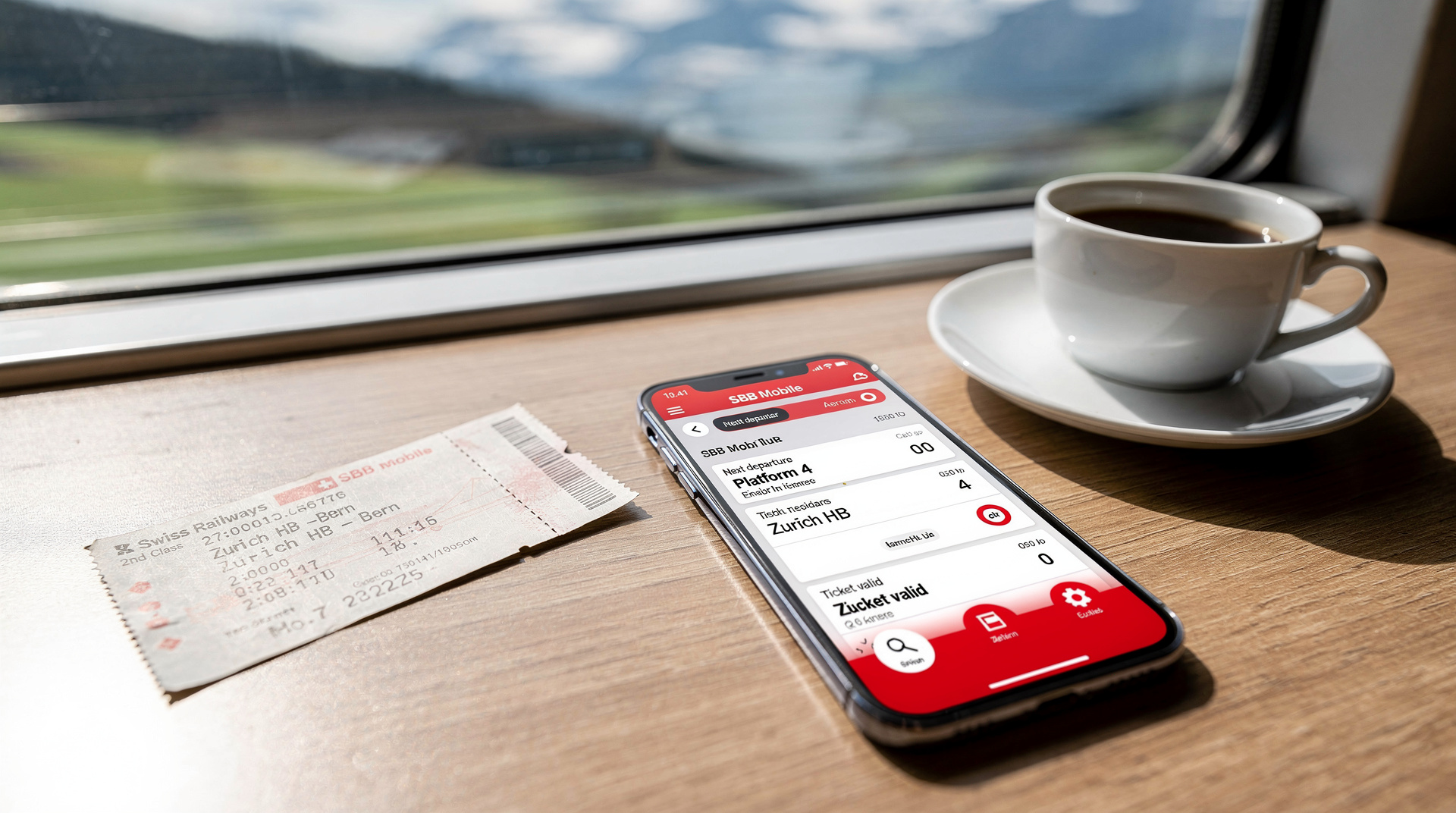
25. Use the SBB app’s offer section
The SBB app (Swiss train operator’s official app) regularly features promotional deals on journeys, day passes, and regional excursion packages. The “Super Saver” tickets offer discounts of 50-70% on specific trains booked in advance. These can dramatically reduce intercity travel costs if you’re flexible about exact departure times.
Summary: what makes the biggest difference
If you only implement three of these 25 tips, make them these:
1. Choose the right transport pass. This is the most impactful single decision. The difference between the right and wrong choice can be CHF 150-200.
2. Eat at Coop/Migros restaurants at least once a day. Food is where Switzerland surprises people most with its costs. This one habit saves CHF 20-40/day.
3. Go in September rather than July/August. Accommodation alone is 15-25% cheaper, attractions are less crowded, and the experience is arguably better.
The full Switzerland travel budget guide has detailed cost breakdowns for every category. And our getting around Switzerland guide covers all transport options in detail.
Bonus tips: timing and booking
Travel mid-week
Swiss trains and mountain railways are significantly busier on weekends, particularly in summer. Saturday and Sunday crowds at Jungfraujoch, Mount Pilatus, and Rigi can triple the weekday numbers. Visiting on a Tuesday or Wednesday means shorter queues, easier photo opportunities, and sometimes cheaper last-minute accommodation (some hotels offer mid-week rates).
Book accommodation outside school holidays
Swiss school holidays vary by canton and run for 2 weeks in autumn (October) and 2-3 weeks in spring. These create domestic travel peaks that push accommodation prices up in mountain areas. Check Swiss school holiday calendars if you’re flexible on dates.
Use luggage shipping instead of carrying bags
SBB’s luggage transfer service lets you ship a suitcase between any two Swiss stations for CHF 12, or to/from an airport for CHF 22. This means you can travel train-free of luggage, arriving at your destination with only a daypack, and retrieve your bag from the station. The service is rarely crowded and works beautifully for multi-city trips. Far cheaper than paying for extra checked luggage at airports or straining your back on crowded trains.
Download offline maps before arriving
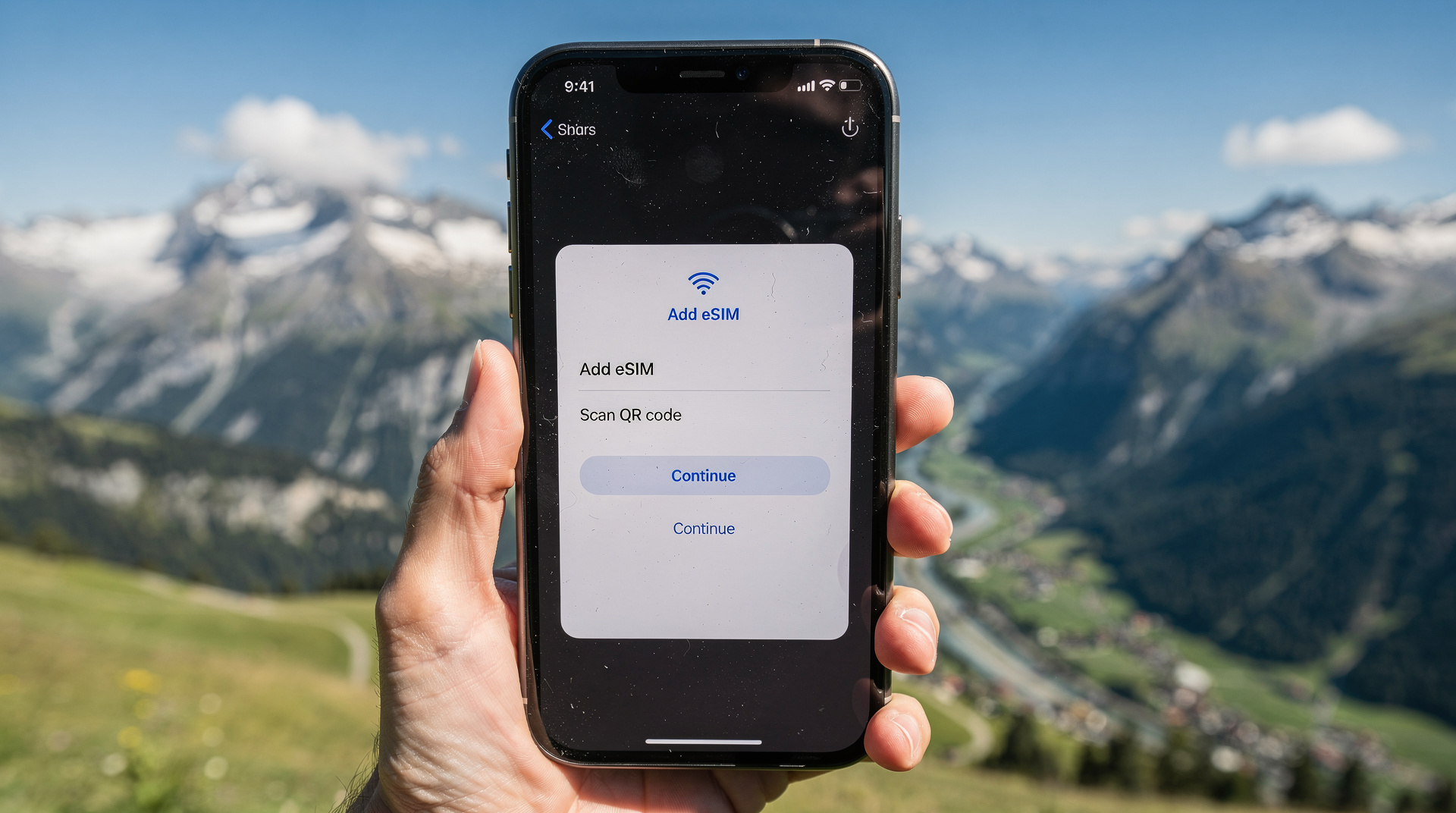
Google Maps and Maps.me both allow offline map downloads. Download the Switzerland region before leaving home. Once offline maps are loaded, navigation doesn’t require any mobile data. Combined with a small eSIM plan, this dramatically reduces how much data you need to purchase. See our eSIM and internet guide for data plan options.
Book the Half Fare Card from home
The Half Fare Card and Swiss Travel Pass can both be purchased online before you leave home. This saves time at the station on arrival and ensures you can start saving from your first journey. If you’re arriving at Zurich or Geneva Airport, having the pass already active means your airport-to-city train is covered immediately.
Visit free viewpoints above the cloud
In autumn and winter, Switzerland’s valleys often fill with “Hochnebel” — a layer of cold fog that sits below approximately 800 meters, leaving the world above it perfectly clear and sunny. When Zurich and Lucerne are grey and cold, the mountains above 1,000m are bathed in blue sky and sunshine.
Taking a train or gondola up above the fog layer costs money, but the reward is a Switzerland most visitors never see: a blue ocean of white cloud stretching to the horizon, with Alpine peaks rising above it. Less crowded than summer, often spectacular, and accessible with the Half Fare Card or Swiss Travel Pass at normal rates.
Use the Junior Travel Card for children
If you have children under 16 and you hold a Swiss Travel Pass or Half Fare Card, you can get a free Junior Travel Card that allows your children to travel free on all Swiss public transport when accompanied by you. The card itself is free — just ask for it when purchasing your adult pass. For families, this transforms the cost calculation of both pass options dramatically.
Eat breakfast at the hotel
Swiss hotel breakfasts are often genuinely excellent — fresh bread, cheese, cold meats, yogurt, fruit, müesli, eggs. If your hotel includes breakfast, use it properly. A good Swiss hotel breakfast keeps you going until 1-2pm, meaning you only need to buy one meal per day rather than two. For hotels not including breakfast, a bakery pastry and coffee (CHF 7-9) is far better value than a hotel breakfast surcharge.
Stack a digital coupon pass
If you’re planning several paid attractions beyond what your transport pass covers, the digital Swiss coupon pass with 2-for-1 offers bundles discounts across dozens of sights and activities into a single mobile pass — a useful complement to the Half Fare Card or Swiss Travel Pass rather than a replacement for either.
Switzerland’s combination of natural beauty and efficient infrastructure means the difference between an expensive trip and a budget-friendly one often comes down to planning, not sacrifice. The hiker on a CHF 120/day budget sees the same mountains, swims in the same lakes, and walks through the same medieval old towns as someone spending CHF 400/day. What changes is the accommodation and the restaurant choices — not the core experience.
Switzerland rewards smart planning enormously. The experiences that make it extraordinary — the mountains, the hiking, the chocolate-box villages, the lake reflections at dawn — are mostly either free or accessible at reasonable cost with the right pass. The things that drain budgets quickly are unnecessary taxis, tourist restaurant meals in prime locations, and not having a transport pass that fits your actual itinerary.
Plan ahead, and Switzerland can be one of the most rewarding trips you ever take, at a cost that doesn’t require selling a kidney to afford.
Budget levels compared
| Style | Daily budget | What it looks like |
|---|---|---|
| Shoestring | around CHF 80-120 | Hostel dorms, Coop/Migros meals and supermarket lunches, free hikes and lake swimming, Half Fare Card |
| Mid-range | around CHF 200-350 | 3-star hotels or good Airbnbs, one restaurant meal a day, Swiss Travel Pass, one or two paid mountain excursions |
| Comfortable | CHF 400+ | 4-star hotels, restaurant dining most nights, premium scenic trains like the Glacier Express, multiple mountain excursions |
These are broad ranges, not fixed rules — a shoestring traveller who splurges on one Jungfraujoch day and a mid-range traveller who skips it can easily swap positions on a given day.
Regional cost differences
Costs vary noticeably by region. Zurich and Geneva run at the top of the price scale for accommodation and dining. Mountain resort towns like Zermatt, St. Moritz, and Verbier can be even pricier in peak winter season.
Smaller towns and the Ticino region tend to run somewhat cheaper for food and lodging, while still offering full access to the rail network. Building a route through a mix of cities, smaller towns, and one splurge mountain excursion — rather than all big-name locations — is one of the more effective ways to control overall cost. See the getting around Switzerland guide for how the rail network makes this mixing easy.
Frequently asked questions about How to save money in Switzerland
Is Switzerland really as expensive as its reputation suggests? For restaurant dining and full-price hotels, yes — Switzerland is genuinely one of the most expensive countries in Europe. But the core travel experience (hiking, mountain views, lake swimming, old towns) is largely free or low-cost, and supermarket-based eating combined with the right transport pass brings daily costs down to levels comparable with other western European countries.
What is the single most effective way to cut costs on a Switzerland trip? Choosing the right transport pass before you travel. Because rail, PostBus, and mountain excursions make up such a large share of typical Swiss trip costs, getting this one decision right (see the Swiss Travel Pass vs Half Fare Card comparison) has a bigger effect than any other single tip on this list.