Switzerland visa and entry requirements
Do I need a visa for Switzerland?
EU/EEA citizens, Americans, Canadians, Australians, and British citizens can enter Switzerland visa-free for up to 90 days. Switzerland is part of the Schengen Area.
Switzerland visa requirements: who needs one and how to apply
| At a glance | Details |
|---|---|
| Who needs a visa | Around 60 nationalities (EU, US, UK, Canada, Australia, others) are visa-free; most others need a Schengen visa |
| Cost | Schengen visa fee around EUR 90 (about CHF 95) for most applicants |
| Time needed | Standard processing around 15 days; apply 4-6 weeks ahead for summer travel |
| Getting a visa | Apply at the Swiss embassy/consulate covering your residence, or via VFS Global |
| Best time to apply | As early as possible for peak season (June-September, December) |
Switzerland sits at the heart of Europe but occupies an unusual position: it is neither a member of the European Union nor part of the EEA (European Economic Area), yet it is a full member of the Schengen Area. This distinction creates specific entry rules that differ from what travelers might expect based on general European knowledge.
This guide covers visa requirements by nationality, how to apply if you need one, the Schengen rules that determine how long you can stay, and practical entry tips for all travelers.
Switzerland and the Schengen Area
The Schengen Area is a zone of 27 European countries that have eliminated passport controls at their mutual borders. Switzerland joined Schengen in 2008. This means:
- Travelers arriving in Switzerland from another Schengen country (France, Germany, Austria, Italy, etc.) do not pass through border control
- Travelers arriving from outside Schengen (UK, USA, non-Schengen countries) go through passport control at their first Schengen entry point
- The 90-day visa-free rule applies across the entire Schengen Area, not just Switzerland
Key implication: If you’re visiting multiple European countries, your 90 days in Switzerland are part of your 90-day Schengen allocation, shared with all other Schengen countries.
Who does not need a visa for Switzerland?
Citizens of the following countries can enter Switzerland (and the Schengen Area) visa-free for tourist stays of up to 90 days in any 180-day period:
No visa required:
- All EU member states
- EEA countries (Norway, Iceland, Liechtenstein)
- United Kingdom
- United States
- Canada
- Australia
- New Zealand
- Japan
- South Korea
- Singapore
- Brazil
- Mexico
- Argentina
- Chile
- Israel
- Malaysia
This is not an exhaustive list — approximately 60 countries worldwide have visa-free access to Schengen/Switzerland. The Swiss State Secretariat for Migration (SEM) maintains the current definitive list at sem.admin.ch.
Who needs a Schengen visa for Switzerland?
Citizens of most other countries require a Schengen visa to enter Switzerland. This includes:
- China (mainland)
- India
- Russia
- Philippines
- Vietnam
- Pakistan
- Egypt
- Most African countries (with some exceptions)
- Most Central Asian countries
If your nationality is not on the visa-free list, you need to apply for a Schengen visa type C (short-stay tourist visa) before traveling.
The 90/180-day rule explained
For visa-free travelers, the limit is 90 days within any 180-day period. This is calculated as a rolling window, not a calendar year. The rule applies across the entire Schengen Area.
Example: If you spent 60 days in France in January-February, you have 30 days remaining in your 90-day allowance for the following 180-day period. Visiting Switzerland for 30 days in March uses your remaining allowance. You’d need to wait until the 180-day period resets before returning to any Schengen country.
Calculating your days: Count the days of entry and exit as full days. There are online Schengen calculators that help with this math if your travel history is complex.
Overstaying is serious: Overstaying the 90-day limit results in deportation, fines, and potential multi-year bans from the Schengen Area. This is enforced, particularly in Switzerland.
How to apply for a Schengen visa
If you need a Schengen visa, apply through the Swiss embassy or consulate in your country. Switzerland issues Schengen visas on behalf of all Schengen countries for travelers whose primary destination is Switzerland.
Application process:
Step 1: Determine where to apply Apply at the Swiss embassy or consulate that covers your country of residence. If Switzerland is not your primary destination (you’re spending more time in France, for example), apply through the French embassy. If Switzerland is your main or only destination, apply through Switzerland.
Step 2: Gather documents Standard requirements for a Schengen tourist visa:
- Completed application form (available from the consulate)
- Valid passport (at least 3-6 months validity beyond your planned return date, with 2 blank pages)
- Two recent passport-size photos meeting Schengen photo specifications
- Travel itinerary (confirmed or draft)
- Proof of accommodation (hotel bookings or letter of invitation)
- Proof of financial means (bank statements, typically showing CHF 100+ per day during your stay)
- Travel insurance covering at least EUR 30,000 medical coverage, valid across the Schengen Area
- Return flight ticket or proof of onward travel
- Cover letter explaining the purpose of your visit
Step 3: Book an appointment Most Swiss consulates require an appointment for visa submission. Book online through VFS Global or the consulate’s own system.
Step 4: Submit application and pay fee The Schengen visa fee is EUR 90 (approximately CHF 95) for most applicants over 12 years old. Fee waivers apply for certain categories (children under 12, family members of EU citizens, etc.).
Step 5: Wait for processing Standard processing: 15 calendar days. Complex cases can take up to 30-60 days. Apply at least 15 days before your travel date, and ideally 4-6 weeks in advance for summer travel.
Step 6: Receive your visa The visa sticker is placed in your passport. Check the dates and conditions carefully.
What documents to carry at entry
Regardless of whether you need a visa, Swiss border control may ask for:
- Valid passport (EU citizens can also use national ID cards)
- Return or onward ticket
- Proof of sufficient funds for your stay
- Address of your accommodation in Switzerland
In practice, entry from Schengen countries is seamless without border checks. Entry from outside Schengen (including from the UK, US, and non-EU countries) involves passport control where officers may ask these questions, though most are routine and brief.
Entry from EU/Schengen countries
Switzerland has open borders with France, Germany, Austria, and Italy within the Schengen Area. You do not need to stop at the border when crossing from these countries by train or car. Passport checks are not conducted at Schengen internal borders under normal conditions.
Exception: Switzerland occasionally reinstates temporary border controls during special security events (major summits, large events). These are announced in advance and are rare.
Entry from the UK
The UK is no longer in the Schengen Area following Brexit. British citizens enter Switzerland at passport control but do not require a visa for stays up to 90 days in 180 (the same rule as US citizens).
When arriving from the UK, UK citizens use the non-EU/non-Schengen passport line. The process is quick — a stamp or scan, basic questions, entry. No visa is needed.
Note: UK citizens need to be aware that the 90/180-day Schengen rule now applies to them, which was not the case before Brexit. Previously as EU members, UK citizens had unrestricted rights. Now they have the same visa-free 90 days as US citizens.
ETIAS: planned entry system for visa-free travelers
The European Travel Information and Authorisation System (ETIAS) is a planned pre-registration system for visa-free travelers entering Schengen, including Switzerland. It is similar to the US ESTA or the UK’s ETA.
As of April 2026, ETIAS is expected to launch in 2026 after multiple delays. Once implemented:
- Citizens of visa-free countries will need to register online before travel
- Cost: approximately EUR 7 per application
- Valid for 3 years or until passport expiry
- Application takes minutes online; approved applications are instant for most travelers
Check the official EU ETIAS website for the latest launch date before planning travel in late 2026.
Practical entry tips
Passport validity: Switzerland requires your passport to be valid for at least 3 months beyond your intended departure date from the Schengen Area. Some sources say 6 months — having at least 6 months validity is always safest.
Travel insurance: Swiss Schengen visas require proof of travel insurance with at least EUR 30,000 medical coverage. Even for visa-free travelers, travel insurance is strongly recommended given Switzerland’s high healthcare costs and mountain activity risks.
Children traveling alone or with one parent: Some countries require a notarized letter of consent when minors travel alone or with only one parent. Switzerland may check for these documents, particularly when one parent’s surname differs from the child’s.
Connecting through Switzerland: If you’re transiting Switzerland on your way elsewhere, you may still need a visa depending on your nationality and whether you leave the international transit area. Most travelers transiting within Schengen airports without leaving the international zone do not need a visa, but check your specific situation.
Customs: Switzerland is not in the EU customs union. You pass through Swiss customs when entering, and allowances are separate from EU allowances. Main limits: 1 liter of spirits (over 18% alcohol) or 2 liters of wine; CHF 300 worth of goods purchased outside Switzerland.
Switzerland as a base for Schengen travel
Many travelers use Switzerland as a base for trips combining Switzerland with neighboring France, Germany, Austria, and Italy. Key things to know:
- Once you enter the Schengen Area (at Zurich, Geneva, or Basel airports, or at the Swiss-EU land border), you don’t need to re-enter customs or passport control to cross to France, Germany, or Austria
- Your Schengen visa (if you need one) covers all Schengen countries — you don’t need separate visas for each country
- Day trips from Geneva to France or from Basel to Germany are completely seamless — no border stop, no document check
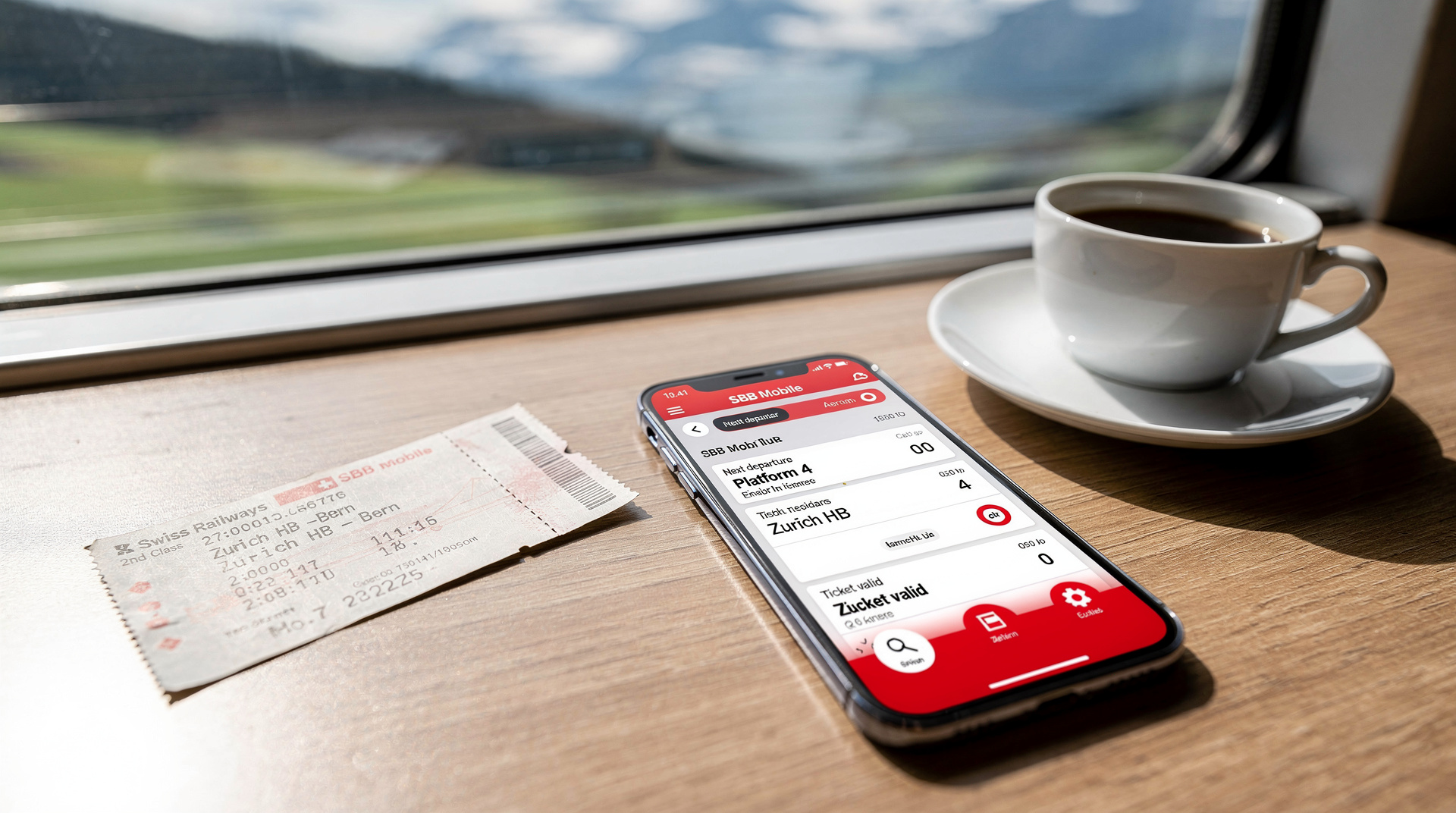
- Once you are in, a Swiss Travel Pass covering trains, buses and boats is a simple way to move around the country without buying separate tickets
Staying longer than 90 days
If you want to stay in Switzerland for more than 90 days:
Non-EU/EEA citizens: Must apply for a residence permit (Aufenthaltsbewilligung). Categories include work visa, student visa, spouse of a Swiss resident, and others. Tourist visits cannot be extended beyond 90 days by simply leaving and returning — the 90/180-day rolling rule applies.
EU/EEA citizens: Can register as EU residents in Switzerland for longer stays under bilateral agreements. The process is simpler than for non-EU citizens.
Long-stay (D) visas: For stays over 90 days, some nationalities can apply for a national long-stay visa (type D) for specific purposes (study, work, joining a Swiss resident family member). These are separate from the Schengen short-stay visa.
Summary: entry in brief
| Nationality | Visa needed? | Maximum stay |
|---|---|---|
| EU/EEA citizens | No | Effectively unlimited (residency rights) |
| UK citizens | No | 90 days in 180 |
| US citizens | No | 90 days in 180 |
| Canadian citizens | No | 90 days in 180 |
| Australian citizens | No | 90 days in 180 |
| Most others | Check sem.admin.ch | 90 days with Schengen visa |
For planning your Switzerland trip beyond entry requirements, see our first-time visitors’ guide and our step-by-step trip planning guide.
For information about budget planning once you arrive, see our Switzerland travel cost breakdown. If you prefer to arrange transport before landing, a Swiss all-in-one travel pass can be booked in advance.
Switzerland for specific nationalities: key notes
US citizens visiting Switzerland
Americans have no special restrictions when visiting Switzerland. The 90-day visa-free period is generous for tourism. US citizens should:
- Ensure their US passport is valid for at least 3 months beyond their planned return date
- Be aware that Switzerland is not in the EU — the US dollar is not the local currency, and US credit/debit cards work but incur foreign transaction fees unless using a fee-waiver card
- Check whether they have any outstanding fines from previous Schengen visits — unpaid fines (e.g., from parking or speeding in Germany or France) can cause issues at entry
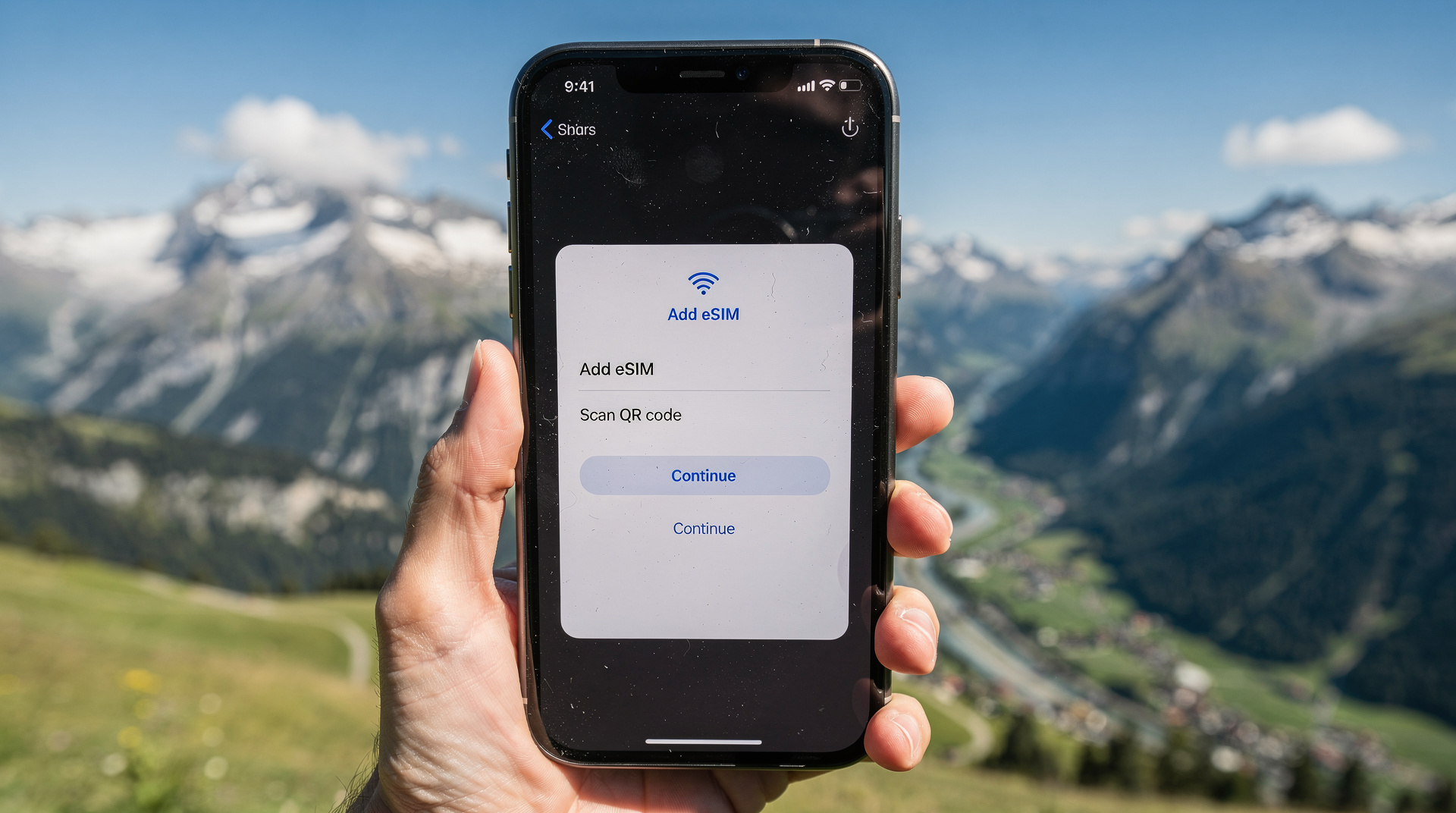
- Note that US mobile plans charge for Swiss roaming — see our eSIM guide
UK citizens after Brexit
British citizens now have the same visa-free access as Americans — up to 90 days in 180 in the Schengen Area. Key changes since Brexit:
- UK citizens must use the non-EU passport lane at non-Schengen entry points
- The 90/180-day Schengen rule now applies — important for frequent European travelers
- UK driving licences are still valid in Switzerland
- Pet passports (for bringing pets from UK to Switzerland): UK-issued pet passports are no longer valid in the Schengen Area. UK-to-EU pet travel now requires an Animal Health Certificate. If traveling with pets, check current UK government guidance.
Australian and New Zealand citizens
Both nationalities have straightforward visa-free access for 90 days. The main practical consideration is time zones — New Zealand and Australian travelers often plan Switzerland as part of a longer European trip, making Schengen day counting important if they’re also visiting EU countries.
Indian citizens visiting Switzerland
India is on the list of nationalities requiring a Schengen visa. Indian citizens should:
- Apply through the Swiss embassy or consulate in India (VFS Global handles appointments for Switzerland)
- Apply at least 4-6 weeks before travel, earlier for summer
- Prepare a complete financial documentation package — Swiss embassies look carefully at bank statements
- Note that having previously traveled to Schengen countries without visa overstay strengthens the application
- Book refundable or flexible travel in case of visa processing delays
Processing time is typically 15 days but can be longer during peak application periods. Some applicants receive a multiple-entry Schengen visa valid for 2-5 years after an initial approval — this makes future visits much simpler.
Chinese citizens visiting Switzerland
Mainland Chinese citizens require a Schengen visa. Key notes:
- Apply at the Swiss consulate in your region of residence (VFS Global manages appointments)
- China has bilateral agreements with some Schengen countries but not all — Switzerland falls under standard Schengen visa rules
- Processing times are standard (15 days) but can extend during busy periods
- Having a valid multiple-entry Schengen visa from a previous visit simplifies the process significantly
- Hong Kong SAR and Macau SAR residents have different rules — both can enter Schengen visa-free for 90 days
Entry with criminal records
Switzerland (and Schengen generally) can deny entry to travelers with certain criminal convictions. In practice:
- Minor past convictions are rarely an issue for tourist entry
- Serious convictions (violent crimes, drug trafficking, fraud) may result in denial of a Schengen visa or entry refusal
- If you have concerns, consult the Swiss embassy in your country for specific guidance before booking
Overstaying: consequences and common misunderstandings
Some travelers mistakenly believe that leaving Switzerland and returning from a neighboring EU country “resets” their Schengen count. It does not. The Schengen 90/180-day rule applies across all Schengen countries, not per country. Leaving France and entering Switzerland is not a new 90-day allowance — it’s the same ongoing Schengen total.
The only way to genuinely reset the allowance is to spend 90 days outside the entire Schengen Area before re-entering. Non-Schengen countries near Switzerland: the UK, Serbia, Bosnia, Montenegro, North Macedonia, Kosovo, Albania, and Turkey.
Practical document checklist before travel
Before traveling to Switzerland, ensure you have:
- Valid passport (at least 3 months validity beyond return date, 6 months recommended)
- Schengen visa if required (check your nationality)
- Return or onward ticket
- Travel insurance with medical coverage of at least EUR 30,000 (required for Schengen visas; strongly recommended for all visitors)
- Accommodation confirmation for at least the first night (border officers may ask)
- Financial evidence (bank card, some cash) demonstrating ability to fund your stay
- Emergency contacts written down (phone battery can die)
For everything beyond the border, see our first-time visitors’ guide to Switzerland, our budget planning guide, and our step-by-step trip planning guide.