Zurich to Appenzell: day trip guide (cheese, hills, and tradition)
How do you get from Zurich to Appenzell?
Take the train from Zurich HB to St. Gallen (1 hour), then change to the Appenzell railway for a 25-minute ride to Appenzell village. Total journey time is around 1 hour 20-25 minutes. Covered by Swiss Travel Pass.
Appenzell from Zurich: a different kind of Switzerland
| At a glance | Details |
|---|---|
| Where | Appenzell Innerrhoden, eastern Switzerland, via St. Gallen |
| Cost | Around CHF 54 return without a pass; free with Swiss Travel Pass (train legs) |
| Time needed | Full day recommended (around 9-10 hours door to door); half-day possible |
| Getting there | Zurich HB to St. Gallen (about 1 hour), then Appenzellerbahn to Appenzell (about 25 minutes) |
| Best time | Late spring or early autumn for hiking; late April for the Landsgemeinde |
Most Switzerland day trips head toward mountains with cable cars, glacier railways, and high-altitude viewing platforms. Appenzell offers something different: one of the most traditional regions in the country, with rolling green hills, centuries-old dairy farming culture, painted wooden farmhouses, and a village centre that genuinely looks like the Switzerland of your imagination.
This is the heartland of Appenzeller cheese — the strongly flavoured, herb-washed variety that has been made in this region for over 700 years. It is also the home of the Landsgemeinde, the open-air cantonal vote that is one of the oldest forms of direct democracy still practiced anywhere in the world, held in the village square each spring.
The trip from Zurich takes around 1 hour 20 minutes by train, costs nothing extra beyond the Swiss Travel Pass, and can be combined with a hike up to the Ebenalp ridge or a visit to the extraordinary Wildkirchli caves. This is one of the best-value day trips available from Zurich.
Getting from Zurich to Appenzell by train
The journey involves one straightforward change:
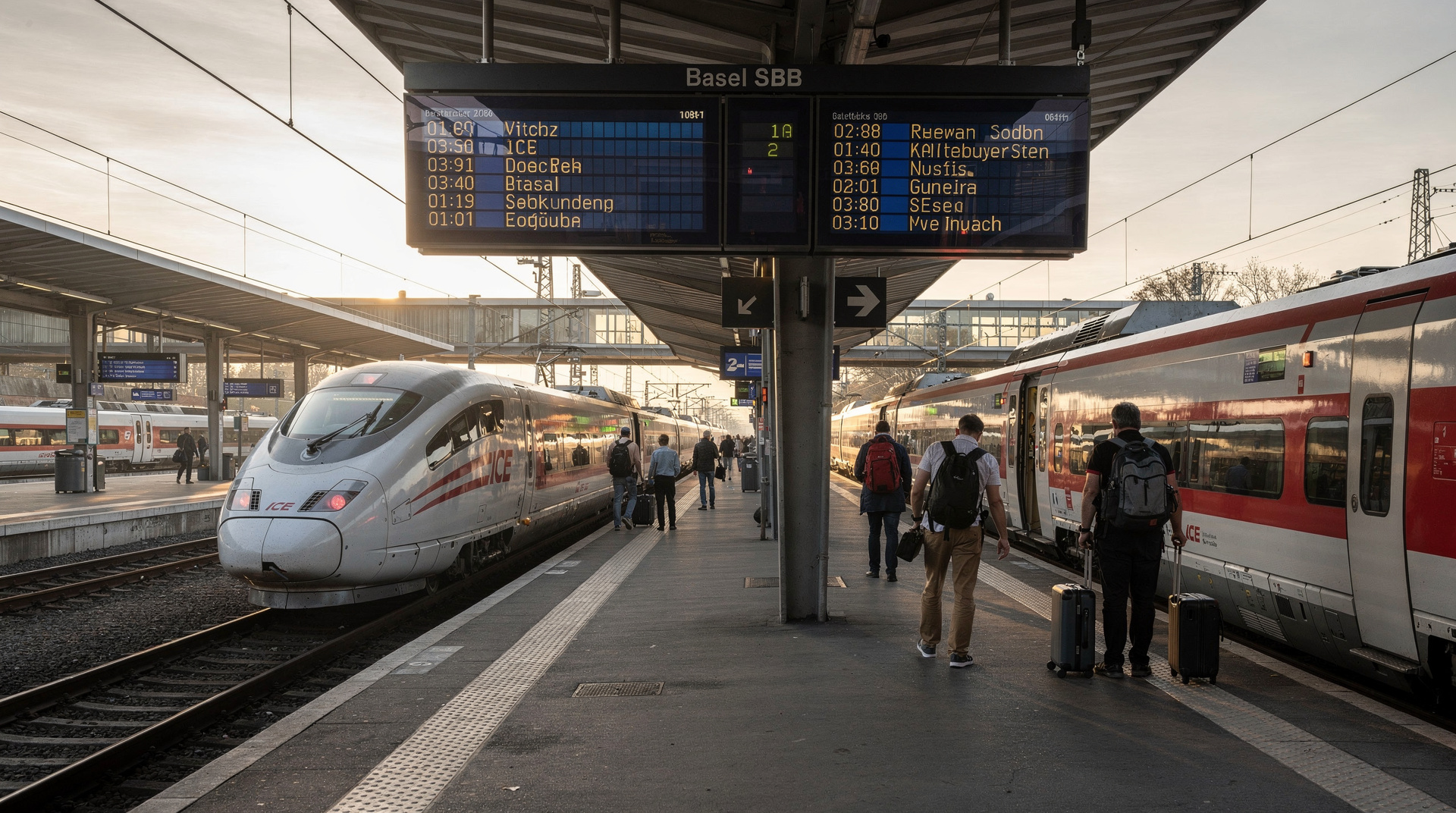
Zurich HB → St. Gallen → Appenzell
- Zurich HB to St. Gallen: InterCity or InterRegio, approximately 60 minutes. Trains run twice per hour.
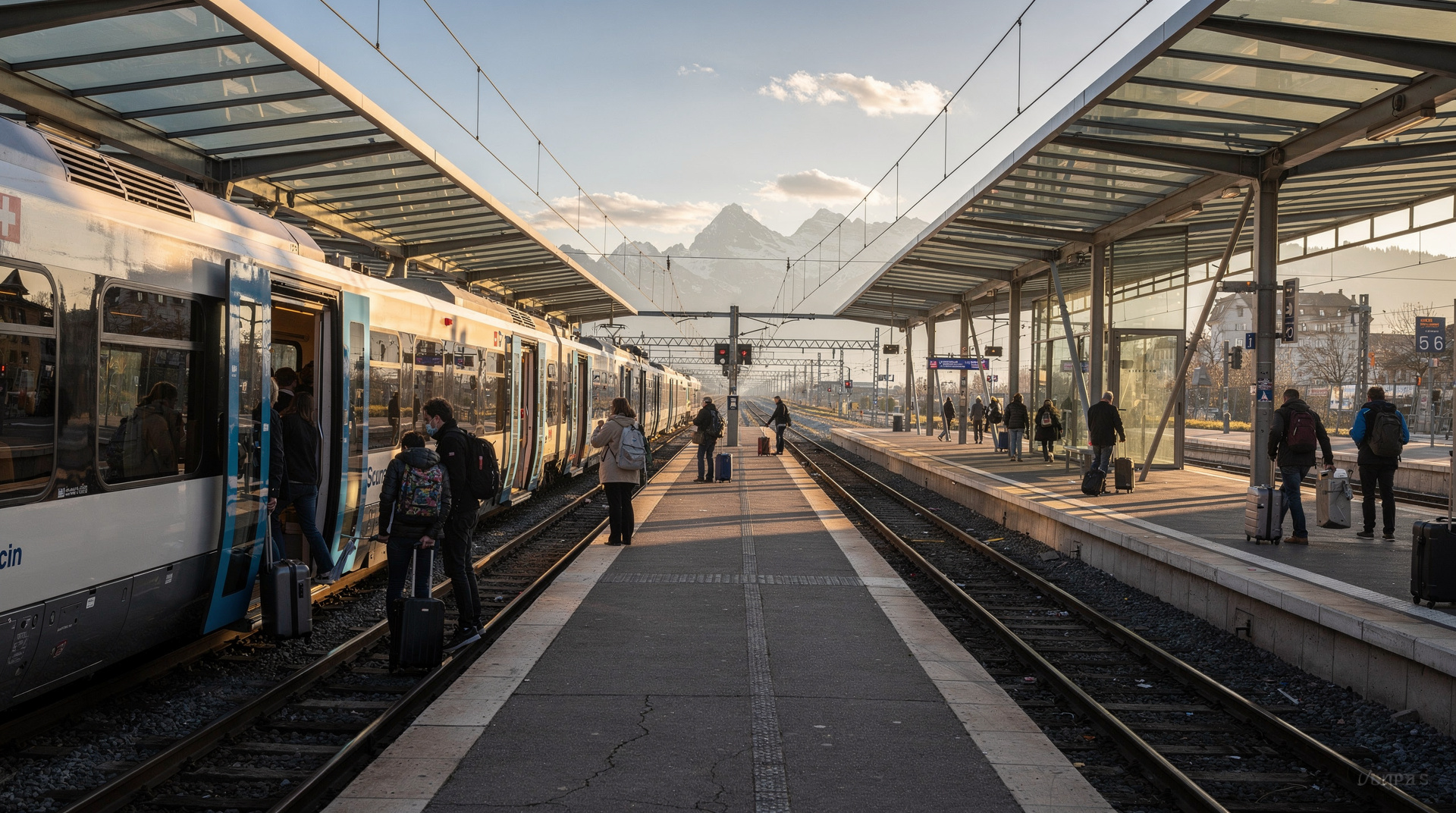
- St. Gallen to Appenzell: Appenzellerbahn (narrow-gauge), approximately 25 minutes. Trains run roughly every 30 minutes.
Total journey: approximately 1 hour 25 minutes.
Swiss Travel Pass: Covers both legs entirely. You do not pay extra.
Individual ticket: Return Zurich–Appenzell costs around CHF 54.
First train: If you want a full day, aim for the 07:30-08:00 departure from Zurich, arriving in Appenzell around 09:00-09:30.
Book a full-day Appenzell tour from Zurich — the guided version includes transport and a local guide who covers the cheesemaking traditions, the political history, and the folklore of the region.
What to do in Appenzell village
Landsgemeindeplatz
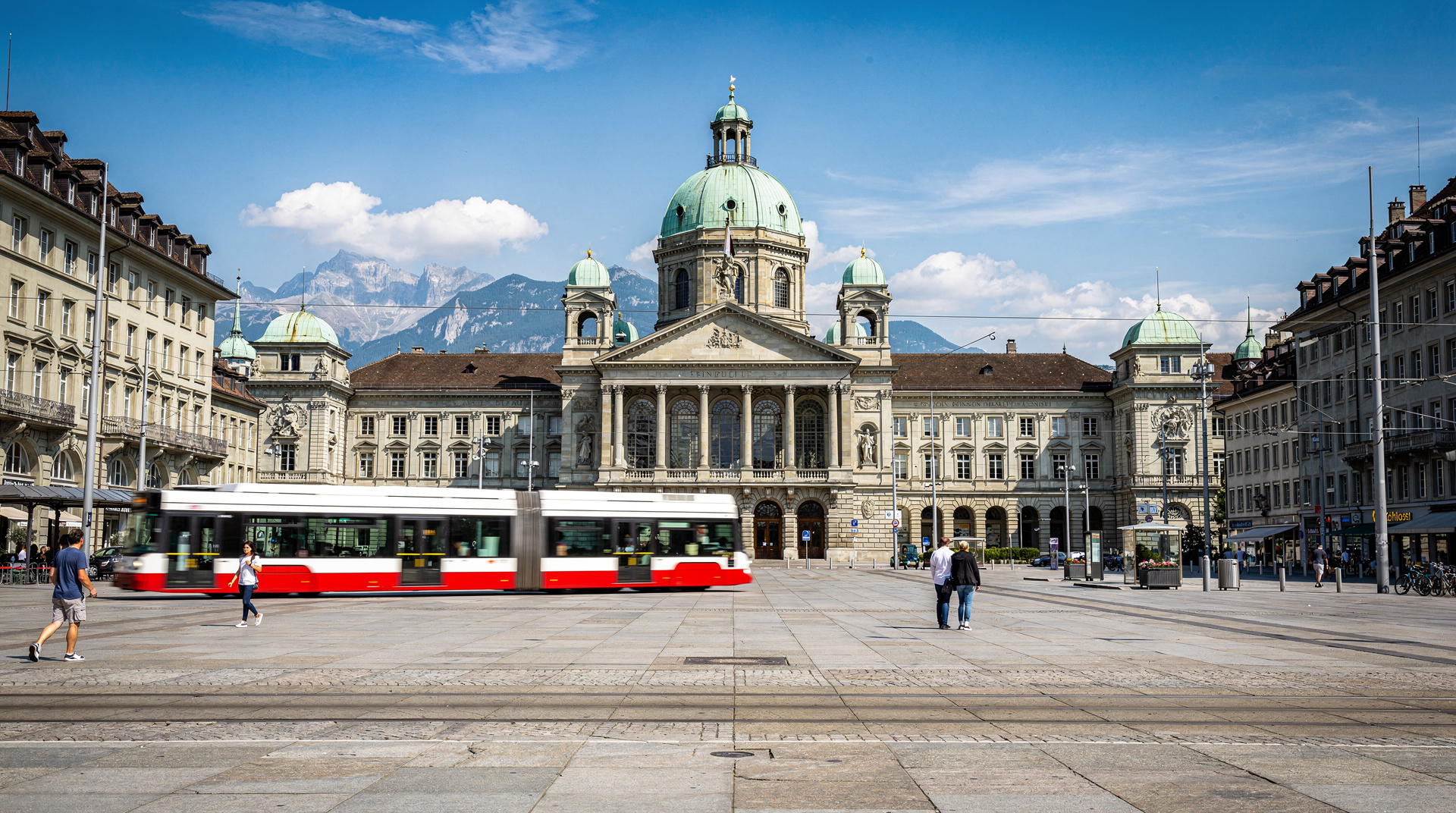
The main square of Appenzell is where the Landsgemeinde (cantonal open-air parliament) takes place each last Sunday of April. Citizens gather in the square, raise their hands to vote, and elect their cantonal government in the open air. The tradition dates back to the Middle Ages and is one of the most photographed political events in Switzerland when it occurs.
For the rest of the year, the square is a pleasant open space surrounded by painted buildings, with the Hotel Appenzell and the Town Hall as the most striking structures. The Town Hall (Rathaus) is covered in a painted facade depicting the history and trades of the canton — look for the detailed scenes of cheesemaking, livestock trading, and local festivals.
Appenzell Museum
The regional museum occupies a historic building near the main square and covers the history of the Appenzell Inner Rhodes canton — the smallest by area in Switzerland and the last to grant women the right to vote, which it did only in 1990 following a federal court ruling. The exhibition includes traditional costumes, farming equipment, religious art, and documentation of the Landsgemeinde.
Entry costs around CHF 7. Signage is primarily in German but the objects are self-explanatory.
Sitter Gorge (Sittertobel)
A short walk from the village brings you to the dramatic Sitter gorge, a deep limestone ravine with a well-maintained walking path along the riverbank. The gorge walk takes around 45 minutes one-way and involves some steps and narrow sections. It is a genuine natural spectacle within easy reach of the village and is free.
Cheese tasting
The Appenzeller Schaukäserei (Show Dairy) is 4 kilometres from the village centre in Stein (not to be confused with Stein am Rhein). It demonstrates the traditional cheesemaking process and has a tasting room. Entry is free. The dairy shop sells wheels of Appenzeller at different ages — the one-month-old mild variety and the three-month-old sharp variety are the most popular.
For something more village-based, several shops on and around the main square sell Appenzeller cheese by the piece or the slice, alongside other local products including Biberli (gingerbread biscuits) and herbal schnapps. If you would rather have the tasting organised for you, there is a chocolate and cheese tour in Appenzell from Zurich that combines both in a single outing.
Ebenalp: the ridge walk and Wildkirchli caves
Ebenalp is the main hiking and viewpoint destination above Appenzell, reached by a cable car from the hamlet of Wasserauen (15 minutes from Appenzell village by local bus or taxi). At 1,644 metres, Ebenalp gives panoramic views across the Pre-Alps and, on clear days, toward the Säntis massif and beyond.
Cable car: The Ebenalp cable car costs around CHF 28 return. Not covered by Swiss Travel Pass. Runs year-round.
Wildkirchli: Below the Ebenalp summit, the path from the cable car station passes through a series of limestone caves containing the remnants of a hermitage occupied continuously from the mid-17th century until 1853. The caves were later found to contain Palaeolithic artefacts — humans sheltered here during the Ice Age. The carved stone chapel inside the cave is accessible for free and takes about 15 minutes to reach from the cable car station.
Seealpsee: A further 30-minute descent from Wildkirchli brings you to the Seealpsee, a beautiful Alpine lake at 1,143 metres. The lake has a traditional mountain restaurant with outdoor seating. This is the classic hike from Ebenalp and takes about 1 hour 15 minutes round trip from the cable car station, not including the lakeside time.
Berggasthaus Aescher: One of the most famous mountain restaurants in Switzerland clings to a cliff face between the Wildkirchli caves and the Ebenalp summit. It appears on countless postcards and was chosen by National Geographic as one of the world’s most scenic restaurants. The restaurant serves traditional food and has basic overnight accommodation. In summer it is fully booked weeks in advance for lunch. Arriving before 11:30 is the best strategy for getting a table.
Säntis: the highest peak in the region
If you want a proper mountain summit rather than a ridge walk, the Säntis (2,501 metres) is accessible by cable car from Schwägalp, reached by postal bus from Appenzell or Urnäsch. The Säntis has a revolving restaurant at the top, a meteorological station, and sweeping views that on clear days extend to eight countries.
The return cable car costs around CHF 42. Swiss Travel Pass does not apply. The postal bus from Appenzell is covered by the pass. Add this to an Appenzell day if you start early (by 08:00 from Zurich).
Urnäsch: the old New Year’s village
The village of Urnäsch (20 minutes from Appenzell by bus) is famous for the Silvesterkläuse — a costumed tradition held on January 13th (Old New Year by the Julian calendar) where groups of masked figures parade through the village. The costumes are elaborate wearable dioramas depicting Alpine scenes and take months to construct.
Outside January, Urnäsch has a small museum dedicated to this tradition (Museum Appenzeller Brauchtum, entry around CHF 5) and is worth a brief stop if you pass through.
Food and drink in Appenzell
Traditional specialties:
- Appenzeller cheese in all its forms — fondue, Raclette, and raw with bread
- Käseschnitzel — breaded and fried cheese, a local comfort food
- Appenzeller Biberli — spiced honey and almond biscuits in various shapes
- Alpenbitter — a local herbal liqueur made from 42 herbs
Recommended restaurants:
- Gasthaus Hof: solid traditional menu, reasonable prices, good location near the main square
- Hotel Appenzell restaurant: the most central option, slightly touristy but reliable
- Berggasthaus Aescher: worth it if you can get a reservation or arrive early, and you are doing the Ebenalp hike
Budget options: Several bakeries around the main square sell sandwiches and pastries. The cheese shops allow tastings. A picnic on the Ebenalp ridge or by the Seealpsee costs nothing beyond what you buy in the village.
Suggested itinerary: Zurich to Appenzell full day
- 08:00 — Depart Zurich HB toward St. Gallen
- 09:02 — Arrive St. Gallen, change to Appenzellerbahn
- 09:25 — Arrive Appenzell
- 09:30-11:00 — Appenzell village: main square, Town Hall, Appenzell Museum (optional), cheese shop
- 11:15 — Bus from Appenzell to Wasserauen (15 minutes)
- 11:30 — Cable car up to Ebenalp
- 11:45-14:30 — Ebenalp: Wildkirchli caves (15 min), Berggasthaus Aescher for lunch, Seealpsee walk (return to cable car)
- 14:45 — Cable car down, bus back to Appenzell
- 15:00-16:00 — Free time in Appenzell: shopping, coffee, Sitter Gorge walk
- 16:15 — Train from Appenzell to St. Gallen
- 16:40 — Train from St. Gallen to Zurich HB
- 17:40 — Arrive Zurich HB
This is a full day but not rushed. You can compress it by skipping the Seealpsee (45 minutes saved) or by skipping the village time (allows later departure from Zurich).
Combining Appenzell with St. Gallen
St. Gallen is the connection point and deserves 1-2 hours of its own. The Abbey Library (Stiftsbibliothek) is one of the oldest and most beautiful baroque libraries in the world — UNESCO listed, containing illuminated manuscripts from the 8th century. Entry costs around CHF 15. The Abbey precinct (a UNESCO World Heritage Site) includes the cathedral and the surrounding old town streets.
Add St. Gallen by arriving there on the outward journey (depart Zurich earlier), spending 1-2 hours, then continuing to Appenzell. Or visit St. Gallen on the return journey and take a later train back to Zurich.
Appenzell embroidery: the art tradition
Alongside cheese and democracy, Appenzell is internationally known for its embroidery tradition — Appenzeller Stickerei. The region developed an elaborate hand-embroidery style in the 18th and 19th centuries that became one of the most expensive and sought-after textile products in Europe. At its peak, the embroidery trade employed tens of thousands of people throughout the canton in home-based piecework.
The tradition is maintained today in both machine and hand-embroidered versions. Traditional Appenzell embroidery uses white thread on white or off-white fabric, creating three-dimensional raised effects through different stitch densities. The motifs are typically floral and organic — quite different from the geometric patterns of northern European embroidery.
The Museum Liner in Appenzell covers the embroidery tradition alongside a permanent collection of Carl August Liner and Carl Walter Liner (two generations of Appenzell-born painters who depicted the local landscape throughout the 20th century). Entry around CHF 14. If you are interested in either the textile tradition or in Swiss landscape painting, this is a worthwhile hour.
Several shops on and around the main square sell embroidered tablecloths, napkins, and decorative items — both traditional hand-embroidered pieces (expensive, often CHF 100 and up for a small item) and modern machine-embroidered equivalents at accessible prices.
Innerrhoden vs Ausserrhoden: understanding the divided canton
Appenzell is actually two separate half-cantons: Appenzell Innerrhoden (Inner Rhodes, the village and surrounding area) and Appenzell Ausserrhoden (Outer Rhodes, a larger ring around the outside). They separated in 1597 over religious differences — Innerrhoden remained Catholic, Ausserrhoden became Protestant — and have been separate administrative units since.
The consequence: two separate Landsgemeinde votes (Innerrhoden in the main square in late April; Ausserrhoden abolished its open-air vote in 1997 and now votes by postal ballot), two separate cantonal governments, and a territorial map that makes no geographic sense whatsoever.
This unusual situation is worth knowing because Herisau, the capital of Ausserrhoden, is a different town from Appenzell village — which is the capital of Innerrhoden. When people say “Appenzell” as a tourist destination, they mean the Innerrhoden village with the famous painted square and the Landsgemeinde. The broader region of rolling hills and pre-Alpine landscape straddles both half-cantons.
Food in Appenzell: beyond the cheese
The cheese gets all the attention, but Appenzell food culture is broader:
Älplermagronen: A mountain pasta dish (macaroni baked with cream, potatoes, and cheese, served with applesauce) that originated in Alpine farming culture. Hearty, comforting, and very specific to this region of Switzerland. Available in most Appenzell restaurants.
Mostbröckli: Air-dried beef marinated in apple cider (Most) with spices — a local version of the Graubunden Bündnerfleisch. Served thinly sliced as a starter or on a cheese and charcuterie board.
Appenzeller Bierli: Not beer (despite the name) — a spiced honey-almond gingerbread, usually in the shape of a bear or other animal. The original Biberli is made by specific bakeries in Appenzell and has protected status.
Appenzeller cheese fondue: The local take on Swiss fondue uses Appenzeller rather than or in addition to Gruyere, giving a sharper, more herbal flavour. Worth ordering specifically rather than a generic fondue if you want the local version.
Where to eat: The Gasthaus Löwen on the main square is one of the most traditional options. Café Marktplatz near the town centre is good for coffee and cake. For fondue, reserve a table in advance at any of the main-square restaurants on summer weekends — they fill up.
Day trip variations from Appenzell
Half-day version: Train from Zurich, 2 hours in the village (main square, museum, cheese shop), return by early afternoon. Suitable if you want to add another destination (St. Gallen) to the same day.
Mountain-focused version: Skip the village almost entirely and go directly to Wasserauen by bus, take the Ebenalp cable car, walk to Wildkirchli and the Seealpsee, have lunch at Berggasthaus Aescher (if reserved), return to Appenzell for a quick coffee before the train. Total: 5-6 hours on the mountain, very little village time.
Cultural-focused version: Spend the full morning in the village — Appenzell Museum, embroidery shops, cheese tasting, Sitter Gorge walk — and skip the Ebenalp. Excellent in bad weather when the mountain is clouded in.
Combined with Säntis: An ambitious full day: Appenzell in the morning, postal bus to Schwägalp (1 hour), cable car to Säntis summit (2,501 m), return to Appenzell by bus, train to St. Gallen, train to Zurich. Requires an early start (before 08:00 from Zurich) and good weather at Säntis.
Practical tips
Best time to visit: Late spring (May-June) and autumn (September-October) offer the best balance of good weather, green hills, and reasonable crowds. The Landsgemeinde in late April is a unique experience if you can time your trip around it.
What to wear: Comfortable walking shoes are essential. Ebenalp involves uneven rocky paths. The village itself is flat and easy. Dress in layers — even in summer, the Ebenalp ridge can be cool and windy.
Children: Appenzell is excellent for families. The village is safe and walkable, the Wildkirchli caves are genuinely exciting for older children, and the Seealpsee lake is a lovely picnic spot. The cable car is an attraction in itself for small children.
Shopping: Appenzeller cheese, Biberli biscuits, and embroidered textiles (Appenzell is famous for its hand-embroidery tradition, Appenzeller Stickerei) make excellent lightweight souvenirs. Prices are fair — this is not a tourist trap.
Is Appenzell worth it as a day trip from Zurich?
Compared with the more famous mountain day trips from Zurich — Lucerne and Pilatus, Rhine Falls — Appenzell is a genuinely different register: no glacier, no cable car to a 4,000m peak, and much lower visitor numbers. What it offers instead is cultural depth: a living dairy-farming tradition, a centuries-old form of direct democracy, and a village that has not been substantially reshaped for tourism. For visitors who have already done one or two of the classic Alpine excursions and want to see a side of Switzerland that isn’t primarily about scenery, Appenzell rewards the extra train change.
The trade-off is that Appenzell needs a full day to feel worthwhile — the village itself can be covered in 90 minutes, and most of the value comes from combining it with Ebenalp, Säntis, or St. Gallen. A rushed 3-hour visit to the village alone will leave you wondering what the fuss is about.
Weather and timing considerations
Appenzell’s appeal is split between the pastoral village experience (weather-independent, good even in light rain) and the Ebenalp/Säntis excursions (weather-dependent, best on clear days with good visibility). Check the forecast for the Alpstein range specifically — St. Gallen and Appenzell village can be sunny while the ridge above is in cloud, in which case it’s worth prioritising the village, museum, and Sitter Gorge and saving Ebenalp for a clearer day if your schedule allows a return visit.
FOEHN winds occasionally bring exceptionally clear conditions to the region in autumn and winter, giving the best possible visibility from Ebenalp and Säntis — if you have flexibility in your Switzerland itinerary, a Foehn day is worth chasing for this trip specifically.
Frequently asked questions about Zurich to Appenzell
Is Appenzell worth visiting if you’ve already done other Swiss day trips? Yes, more so if you have — Appenzell offers a cultural and pastoral experience that contrasts with the high-Alpine day trips most visitors do first. It suits travellers on their second Switzerland visit, or those with 5+ days who want variety.
Can you visit Appenzell without a car? Yes, entirely — trains, the Appenzellerbahn, postal buses, and the Ebenalp cable car cover every destination described in this guide, and the Swiss Travel Pass covers the train legs.
More day trips from Zurich
- All day trips from Zurich — full overview and rankings
- Zurich to Rhine Falls — an easy half-day or full day
- Zurich to Lucerne and Pilatus — the classic mountain trip
- Swiss Travel Pass — coverage details and whether it is worth it
- Budget travel in Switzerland — keeping costs reasonable
- 7-day Switzerland itinerary — planning a longer stay