Switzerland in April: weather, activities, and tips
Is April a good time to visit Switzerland?
April is a quiet, affordable shoulder season with spring wildflowers at lower elevations and snow still on the upper mountains. Crowds are minimal, hotel prices are low, and the countryside is beautiful. Some mountain services are closing or opening, so check ahead.
Switzerland in April: what to expect
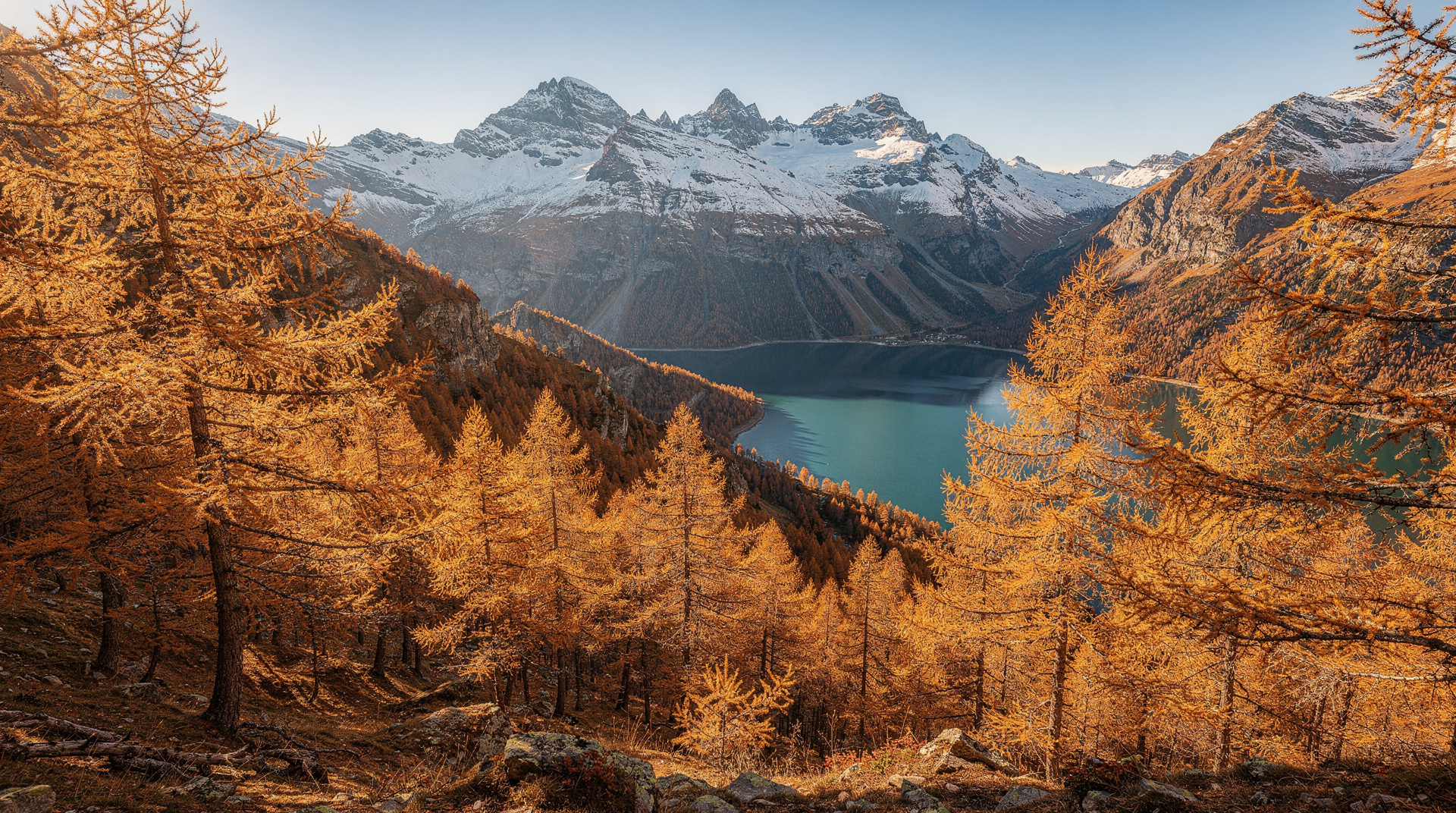
April is Switzerland’s quiet month. The ski season is winding down, summer tourism has not yet begun, and the result is a country that feels unhurried, accessible, and remarkably beautiful. Wildflowers cover the lower Alpine meadows, orchards in the Valais and Ticino burst into blossom, and the valleys take on an intensely green colour after months of winter grey.
For budget-conscious travellers, April is one of the best months of the year. Hotel prices in cities and resorts are at annual lows. Popular sites like Chapel Bridge in Lucerne and the old towns of Zurich and Bern can be explored without crowds. You will share the streets with locals going about daily life rather than tour groups following umbrellas.
The trade-off is unpredictability. April weather in Switzerland is variable — a warm, sunny morning can turn into a cold afternoon shower without much warning. Higher elevations are still under snow, and many mountain services are in transition: some closing after the ski season, others not yet open for summer.
At a glance
| Where | Best for valley cities and lower-altitude regions (Valais, Ticino, Lake Geneva); high alpine still wintry |
| Typical cost | Among the lowest of the year outside Easter week — hotels around 20-30% below summer peak |
| Time needed | A week is enough for a classic city-and-lake circuit; add days for the Valais orchards or Ticino |
| Getting there | Zurich, Geneva, or Basel airport, then onward by Swiss Travel Pass train |
| Best time within April | Early-to-mid month for wildflowers and blossom; avoid the week around a late Easter if you want the cheapest rates |
April weather in Switzerland
Valley cities (Zurich, Geneva, Basel, Bern): Temperatures range from 10-16C during the day, dropping to 5-8C at night. April showers are real — expect several rainy days per week on average, interspersed with beautiful clear days. Fog has largely disappeared by April.
Interlaken and Lucerne: Similar to other valley cities, with the characteristic mountain backdrop now visible most days. Snow may still be visible on surrounding peaks. Temperatures 8-14C.
Mountain areas (1,000-1,500m): Mix of remaining snow and bare ground. Some ski runs at lower elevations closing or already closed by mid-April. Upper elevations still fully winter conditions.
High alpine (above 2,500m): Still winter. Jungfraujoch, Titlis, and Zermatt’s high terrain fully snow-covered.
Daylight is now generous — around 13-14 hours of daylight by the end of April, making early morning and evening outdoor time very pleasant.
What’s open and what’s closed in April
Ski resorts: Most close between mid-March and mid-April. Zermatt and Saas-Fee continue skiing through spring and beyond — Zermatt’s Klein Matterhorn runs essentially year-round. Major lifts at Verbier, Grindelwald, and Davos typically close by mid-April.
Mountain excursions: Jungfraujoch runs year-round. Mount Titlis is open. Mount Pilatus — the cogwheel railway reopens in May, so in April only the gondola operates.
Summer hiking: Still too early for high-altitude hiking (trails above 2,000m are snow-covered). Valley and lower-elevation trails are opening up and excellent.
What’s still closed: Many high-mountain summer restaurants and facilities. The Schynige Platte railway. Some cable cars in summer-only mode.
What’s opening: Boat services on Lakes Geneva, Zurich, Lucerne, and Thun typically resume full summer schedules around Easter or early April.
Events and festivals in April
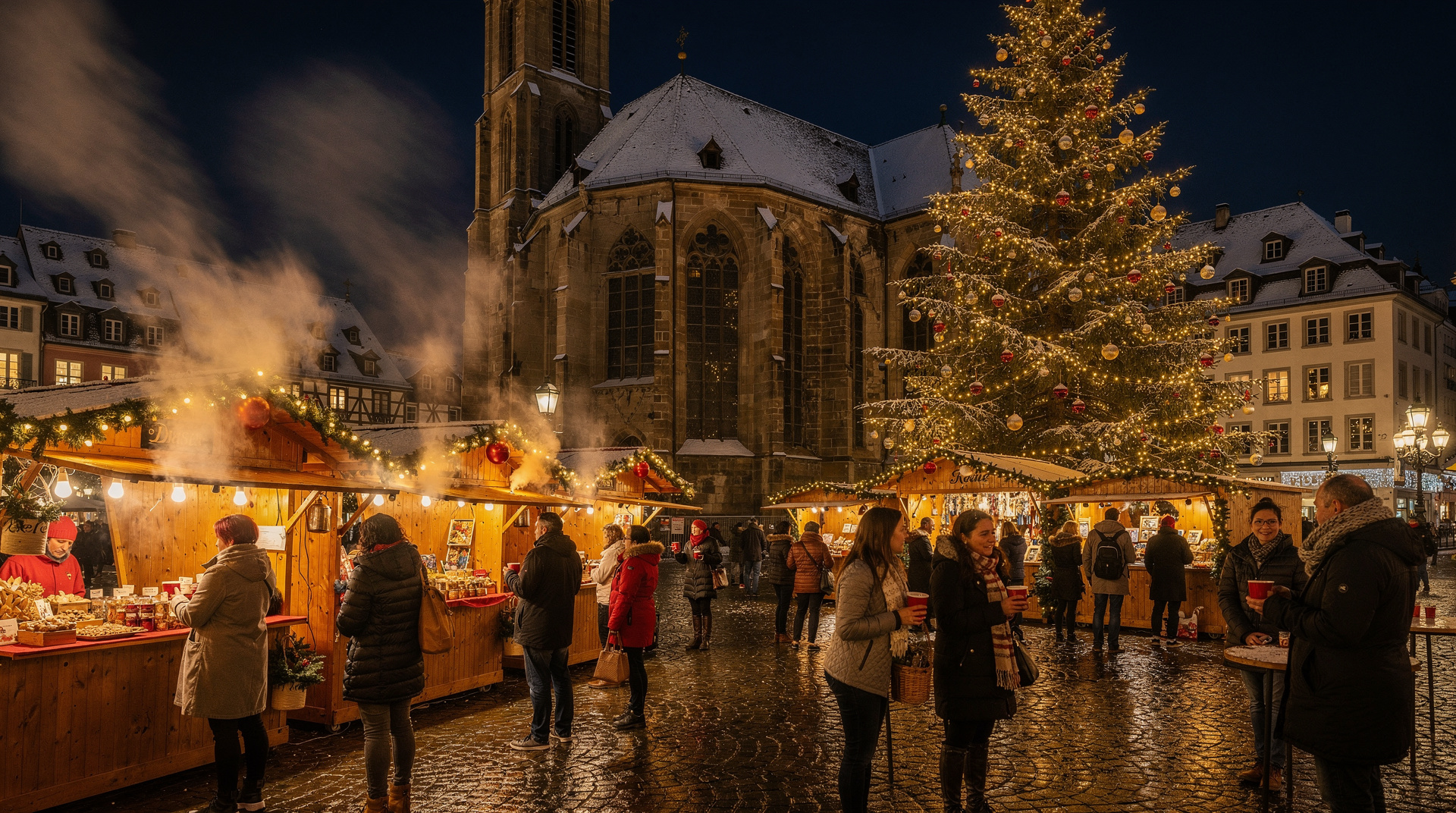
Easter (dates vary): Switzerland celebrates Easter with genuine enthusiasm. Markets appear in Zurich, Basel, and Bern — the Easter market on Barfüsserplatz in Basel is one of the most charming in Europe. Churches across the country hold elaborate services. Many Swiss families spend Easter Monday hiking in the lower Alps.
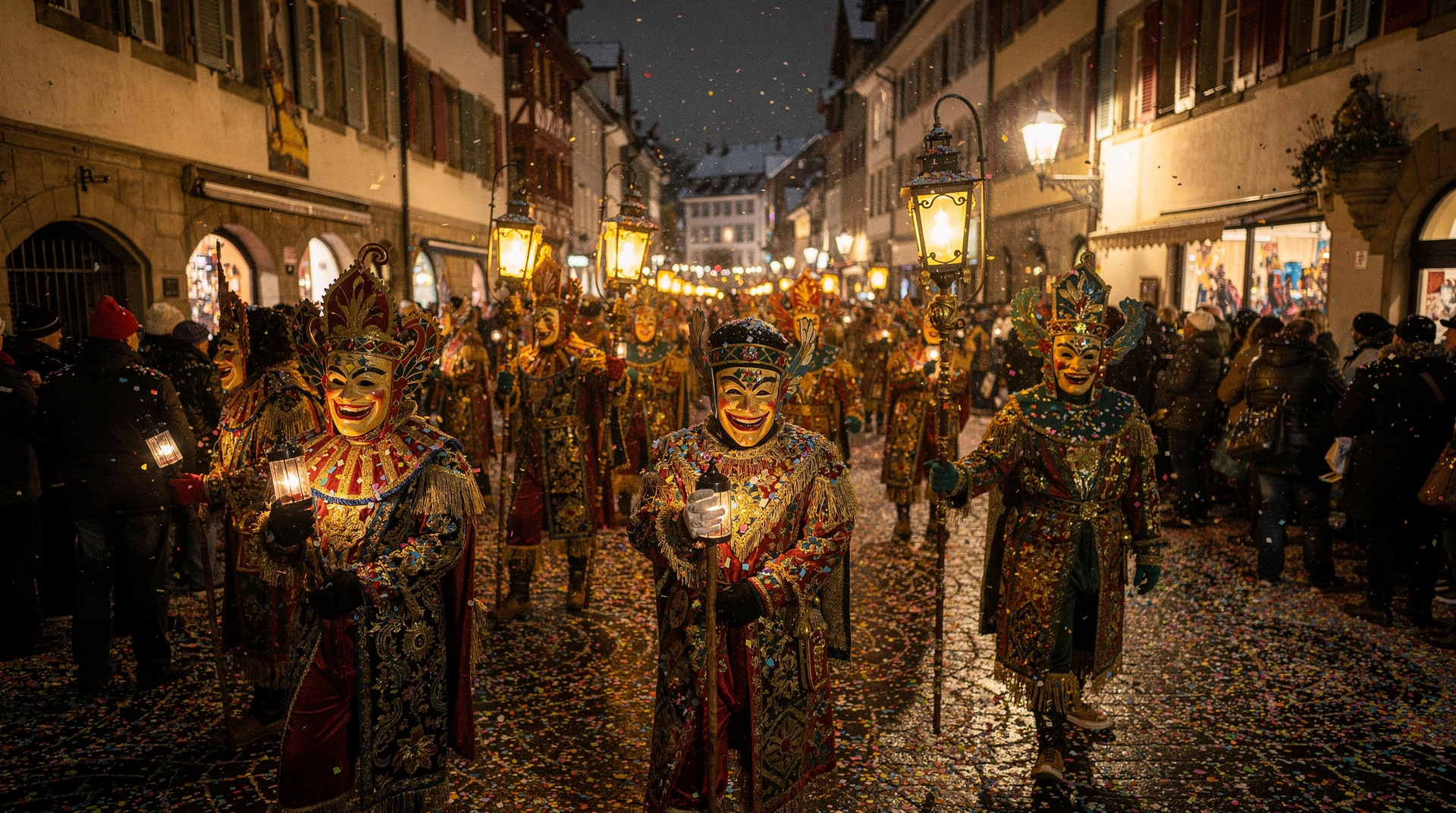
Sechseläuten (Zurich, third Monday of April): Zurich’s great spring festival. Guild members in historical costumes parade through the city in the morning. The culmination is the burning of the Böögg — a snowman effigy filled with firecrackers — atop a bonfire. The tradition holds that the faster the Böögg’s head explodes, the better the coming summer will be. It draws enormous crowds and is one of the most distinctive urban festivals in Switzerland.
Landsgemeinde (Appenzell, last Sunday of April): The open-air cantonal parliament in Appenzell Innerrhoden — one of the last direct democracies in the world, where citizens vote by show of hands. It is a genuinely fascinating spectacle and accessible as a day trip from St. Gallen or Zurich.
April vs March vs May: which shoulder month to pick
| March | April | May | |
|---|---|---|---|
| Crowds | Very low | Low | Low, rising toward late month |
| Valley weather | Cold, still wintry | Variable, warming | Reliably mild, some warm days |
| Wildflowers/blossom | Not yet | Peak orchard blossom in Valais/Ticino | Alpine meadow flowers at lower elevations |
| High mountain access | Winter only | Winter, transitioning | Some summer trails opening above 1,500m |
| Value | Excellent | Excellent (except Easter week) | Good, prices creeping up |
If photogenic blossom and the lowest prices matter most, April usually beats both neighbours. If you want more reliable dry weather and slightly more open summer infrastructure, May is the safer bet.
Regional differences worth planning around
Not all of Switzerland behaves the same way in April. The Valais and Ticino warm up noticeably faster than the northern plateau, so travellers chasing blossom and sunshine should weight their itinerary toward Zermatt, Saas-Fee, or the Ticino lakes rather than spending extra nights in foggier northern cities. Conversely, if city culture and museums are the priority, Zurich, Basel, and Bern are equally rewarding in April as any other month, since indoor attractions are weather-proof.
Families should note that most Swiss school holidays fall outside April (aside from the Easter break itself), so domestic crowds are genuinely low except around the holiday weekend. For a broader look at how April compares across the whole year, see our best time to visit Switzerland guide.
Best activities for April
City tourism
April is ideal for exploring Switzerland’s cities without summer crowds. The old towns of Zurich, Lucerne, and Bern are beautiful in spring light. Outdoor café seating begins to appear, and the atmosphere shifts from winter’s inward quality to something more expansive.
The Lucerne Chapel Bridge — normally photographed with summer crowds in frame — can be enjoyed in relative quiet on a typical April morning. The Kunsthaus Zurich, Swiss National Museum, and Bern’s Rose Garden are all excellent on a mild spring day.
Lake cruises
Boat services on Switzerland’s major lakes resume in April, and an early-season lake cruise is a wonderful way to see the Alps from the water. Lake Lucerne’s classic circular route, the paddle steamer services on Lake Geneva, and the boat connections between Interlaken and Spiez all offer spectacular April views. Snow-capped peaks reflected in still lake water is one of Switzerland’s finest visual combinations.
Valley hiking and wildflower walks
Below 1,200m, hiking trails are clear and the wildflowers are extraordinary. The Valais region around Saas-Fee and Zermatt has lower-elevation paths that pass through orchards of apricot and cherry blossom in April. The Lavaux wine terraces above Lake Geneva are spectacular in spring. Near Interlaken, the valley paths around Lauterbrunnen see the waterfalls at their most powerful as snowmelt feeds the streams.
High mountain excursions
The contrast between spring valley life and winter mountain conditions is at its starkest in April, and visiting Jungfraujoch from a blossoming valley is a memorable experience. The train journey takes you from spring into full winter in under two hours.
Book your Jungfraujoch trip from InterlakenParagliding
April marks the proper beginning of paragliding season in Interlaken. Weather-dependent, but when conditions are good, the combination of spring clarity and still air makes for excellent flying.
Book tandem paragliding over the Bernese OberlandGlacier Express in spring
The Glacier Express from Zermatt to St. Moritz runs year-round. In April, the landscapes it passes through show a particularly dramatic contrast — lush valley floors giving way to snow-covered mountain passes. The train is less crowded than in summer.
Book the Glacier ExpressApril costs
April is one of the most affordable months to visit Switzerland. City hotels are at or near their annual lows. Mountain resort accommodation drops significantly as ski season ends. The exception is Easter weekend, which creates a price spike across the board — especially if Easter falls in April (it varies between late March and late April).
Use a Half Fare Card for flexible travel or a Swiss Travel Pass if you plan extensive train travel.
Packing for April in Switzerland
April weather is genuinely unpredictable. Pack for all four seasons and you will be fine.
Layers: Light base, fleece, packable down or waterproof jacket. You will use all three in the same day.
Rain gear: A packable waterproof layer is essential. April showers in Switzerland are frequent and can be heavy.
Footwear: Waterproof shoes or ankle boots work for city and valley walking. If visiting high mountain terrain, proper winter boots remain necessary.
Sunscreen: Still needed at altitude, even on overcast days.
Suggested April itinerary
Classic Switzerland (7 days): 2 nights Zurich (museums, Sechseläuten if timing aligns), 1 night Lucerne (old town, lake cruise), 2 nights Interlaken (Jungfraujoch, valley hike, paragliding), 2 nights Zermatt (village, Matterhorn views, glacier skiing if interested).
This route works beautifully in April and uses the Swiss Travel Pass efficiently. See our 7-day itinerary for the full version.
Pros and cons of visiting in April
Pros:
- Low crowds at nearly all major sites
- Affordable hotel prices (outside Easter)
- Wildflowers and spring blossoms at valley level
- Long daylight hours developing
- Cities at their most relaxed
Cons:
- Unpredictable weather — rain is common
- Many mountain summer facilities still closed
- Ski season ending at most resorts
- Not yet warm enough for summer activities (swimming, most summer hiking)
Getting around Switzerland in April
The Swiss Travel Pass works exactly as it does year-round — covering all trains, some mountain railways, and an increasing number of boat services as the lake timetables expand through April. An important April note: boat services on Lakes Lucerne, Geneva, Thun, and Brienz move toward fuller spring schedules, but check exact timetables as they change through the month.
Get your Swiss Travel PassThe Glacier Express runs daily in April and is less crowded than in summer — an excellent time for this journey.
Book the Glacier Express in AprilSwiss food and culture in April
April is an excellent month for Swiss cheese and wine exploration. The Valais wine region, the Lavaux terraces above Lake Geneva, and the Graubünden wine producers all welcome visitors throughout April. Cellars are quieter than in harvest season and tastings are more personal.
Traditional Swiss comfort food — fondue, raclette, Rösti — is still appropriate in April’s cool evenings, and mountain hut menus continue to feature hearty winter dishes alongside the first spring preparations. Asparagus season begins in Switzerland in late April, and Swiss restaurants make much of the first local white asparagus.
In cities, April is the beginning of outdoor café season. Zurich’s Limmatquai and lakeside promenades begin to see outdoor seating return. Geneva’s quais animate. Bern’s arcaded streets allow outdoor seating despite variable weather.
April for first-time visitors
April can be an excellent month for a first Switzerland trip if you are comfortable with variable weather and can accept that some mountain summer infrastructure hasn’t opened yet. The advantages are real and significant: Chapel Bridge in Lucerne without crowds, Jungfraujoch with minimal queues, hotel availability at short notice, and valley blossoms that make Switzerland spectacularly beautiful.
The Sechseläuten in Zurich (third Monday of April) is one of the most distinctively Swiss urban events of the year — worth timing your Zurich stay around if possible.
Book Jungfraujoch in April (far less crowded than summer)Quick tips for April visitors
Pack layers you can add and remove throughout the day. An April morning in Switzerland can be 5C and drizzling; by afternoon it might be 16C and sunny. Build in flexibility and carry a packable waterproof at all times.
Check Easter dates before booking — the long weekend pushes hotel prices up and popular sites get busier. Easter itself (varying between late March and late April) is a lovely time to be in Switzerland if you can plan for it.
For general trip planning, see our when to visit Switzerland guide, budget planning page, and 7-day Switzerland itinerary for route ideas that work in April.
Destination guides for April: Zermatt | Grindelwald | Interlaken | Lucerne
Frequently asked questions about Switzerland in April
Is it too cold to visit Switzerland in April? No — valley cities and lower regions are comfortably mild (10-16C by day), though you should expect several rain showers per week and pack layers. Only high alpine terrain above roughly 2,500m remains fully wintry.
Can you still ski in Switzerland in April? Yes, at the highest resorts. Zermatt and Saas-Fee typically keep glacier skiing running through April and beyond, but most lower and mid-altitude resorts close their lifts by mid-month, so check specific resort dates before planning a ski trip.
Switzerland’s train network connects all these destinations reliably and comfortably year-round. The Swiss Travel Pass covers unlimited travel on all standard Swiss trains, boats, and provides discounts on mountain excursion railways — making it the most efficient way to explore the country for most visitors. See our getting around Switzerland guide for full transport details, and our Switzerland budget guide for current cost benchmarks across all seasons and destinations.
Whether you are planning a short city break, a week of skiing, or a longer Swiss adventure, the destinations covered in this guide represent some of the finest experiences available anywhere in Europe. Use the linked itinerary guides and destination pages to build a trip that matches your interests, budget, and available time.