Swiss public holidays 2026: complete calendar with cantonal differences
How many public holidays does Switzerland have in 2026?
Switzerland has only one federal public holiday: August 1 (National Day). All other holidays are cantonal and vary by region. Most cantons observe 8–12 holidays; Catholic cantons observe the most. Shops close but restaurants and tourist sites generally remain open.
Understanding Swiss public holidays: federal versus cantonal
Switzerland’s public holiday system surprises most visitors. Unlike France, Germany, or the UK — where national holidays apply uniformly across the country — Switzerland has a decentralised system in which only a single day is a federal holiday binding on all 26 cantons: August 1, Swiss National Day. Every other holiday is a cantonal matter, and Switzerland’s religious and linguistic diversity produces a calendar where no two cantons observe exactly the same set of public days.
In practical terms, this means that a traveller arriving in Zurich on Good Friday finds shops closed; arriving in the canton of Valais on the same day finds everything open for business. Catholic cantons — Valais, Fribourg, Lucerne, Uri, Schwyz, Obwalden, Nidwalden, Zug, Solothurn, Appenzell Innerrhoden, Ticino — observe significantly more religious holidays than Reformed Protestant cantons like Zurich, Bern, Basel-Stadt, and Vaud.
| At a glance | |
|---|---|
| Where | Nationwide, but coverage varies by canton — Catholic cantons observe the most holidays |
| Cost | No cost to know the calendar; the cost impact is on accommodation, which peaks around major holidays |
| Time needed | None — plan around the dates, not a visit itself |
| Getting there | Trains and buses run on all public holidays (modified, Sunday-style schedules) |
| Best time | Avoid booking accommodation last-minute around Easter, Ascension, August 1, and Christmas week |
Swiss Travel Pass — unlimited trains, buses, and boats
The Swiss Travel Pass is the most flexible way to navigate Switzerland, especially around public holidays when trains run normal schedules while shops close. Covers SBB trains, lake boats, urban transport, and free entry to over 500 museums.
- Free cancellation
The 2026 public holiday calendar
1 January — New Year’s Day (Neujahrstag / Nouvel An)
Observed: All 26 cantons What’s closed: Banks, post offices, most retail shops, government offices. Supermarkets mostly closed; some open with limited hours. What’s open: Restaurants and hotels operate normally. Train stations (SBB shops open reduced hours). Tourist attractions mostly open. International airports fully operational.
January 1 is a quiet day in Switzerland. Most visitors find the country in a gentle recovery from New Year’s Eve. Mountain resorts are open — ski lifts run normal schedules. Cities are quiet but walkable.
Long weekend potential: New Year’s Day in 2026 falls on a Thursday. Combined with Friday January 2 (a holiday in some cantons), this creates a four-day break that puts serious pressure on mountain resort accommodation. Book early.
2 January — Berchtoldstag (St. Berchtold’s Day)
Observed: Bern, Vaud, Fribourg, Neuchâtel, Jura, and several other cantons (not Zurich, Geneva, Basel, or Valais) What’s closed: Same closures as January 1 in observing cantons. Non-observing cantons return to normal business.
Berchtoldstag has no religious significance — it is a secular public holiday with murky historical origins, observed primarily in western and central Switzerland as an extension of the New Year break.
6 January — Epiphany (Heilige Drei Könige / Épiphanie)
Observed: Ticino, Schwyz, Uri, and some municipalities — Catholic tradition only What’s closed: Limited closures; primarily Catholic-canton offices and some shops
The Feast of the Three Kings is celebrated throughout Swiss Catholic communities with the tradition of Sternsingen (children dressed as the Three Kings going door-to-door), and the eating of a Dreikönigskuchen (Three Kings cake) containing a small figurine. Tourist operations are unaffected.
19 March — Saint Joseph’s Day (Josefstag)
Observed: Valais, Ticino, Nidwalden, Schwyz, Uri, Graubünden (Catholic communities only) What’s closed: Banks and government offices in observing cantons. Shops may close in smaller towns.
This is a practical consideration for visitors to Zermatt, Verbier, or Ticino in mid-March — the late ski season overlaps with a regional holiday.
3 April — Good Friday (Karfreitag / Vendredi saint)
Observed: Most Reformed (Protestant) cantons — Zurich, Bern, Basel-Stadt, Basel-Landschaft, Schaffhausen, Appenzell Ausserrhoden, St. Gallen, Glarus, Aargau, Thurgau, Graubünden, Vaud, Neuchâtel, Geneva What’s closed: Shops, banks, post offices in observing cantons. Catholic cantons (Valais, Lucerne, Fribourg, Ticino) remain open. What’s open: Restaurants, hotels, tourist attractions. Train services run normal schedules nationwide.
Good Friday 2026 falls on April 3. Note the paradox: in Switzerland, this is a primarily Protestant observance — the Catholic tradition emphasises Easter Sunday and Monday more heavily.
5 April — Easter Sunday (Ostersonntag / Dimanche de Pâques)
Observed: All cantons (de facto, though not universally formal) What’s closed: Shops in most cantons. Normal Sunday trading rules apply or stricter holiday rules. What’s open: Restaurants, hotels, tourist sites, mountain railways. Trains run normal Sunday schedules.
Easter Sunday is one of the most important days in the Swiss calendar. Families gather; cities are quiet; mountain resorts are busy with their last major winter visitors.
6 April — Easter Monday (Ostermontag / Lundi de Pâques)
Observed: All cantons except Valais, Ticino, and some Catholic communities What’s closed: Banks, post offices, most shops. Supermarkets may open limited hours. What’s open: Restaurants, hotels, tourist attractions. Train services normal.
Long weekend: Good Friday through Easter Monday creates a four-day break. This is one of the busiest weekends of the year for Swiss domestic travel and often coincides with the end of the ski season in lower-altitude resorts. Hotels in mountain areas fill completely; book months in advance. The Swiss Travel Pass is particularly valuable over Easter weekend when demand for individual tickets surges.
1 May — Labour Day (Tag der Arbeit / Fête du Travail)
Observed: Zurich, Basel, Schaffhausen, Thurgau, Aargau, Jura, Neuchâtel, and several others (not Bern, Geneva, Vaud, or most Catholic cantons) What’s closed: Banks, post offices, and some shops in observing cantons. Normal business in non-observing cantons. What’s open: Restaurants, tourist sites. Trains run normal schedules.
May 1 parades and workers’ gatherings occur in Zurich and Basel. The day is politically significant in these cities; expect some demonstrations in main squares. Tourist operations are unaffected.
14 May — Ascension (Auffahrt / Ascension)
Observed: All cantons What’s closed: Banks, post offices, most shops. A genuine nationwide closure. What’s open: Restaurants, hotels, tourist attractions, mountain railways. Trains run normal schedules.
Ascension falls 39 days after Easter — always on a Thursday. In 2026 this is May 14. As a universally observed holiday falling mid-week, it creates a de facto long weekend when many Swiss businesses close on the Friday as well (with employers offering the “bridge day” as leave). Expect very busy conditions on May 14–17: Swiss domestic travel peaks, particularly for mountain trips and city breaks.
24 May — Pentecost Sunday (Pfingstsonntag / Dimanche de Pentecôte)
Observed: All cantons What’s closed: Normal Sunday closures apply or stricter holiday rules in some cantons. What’s open: Restaurants, hotels, tourist attractions. Trains normal.
25 May — Whit Monday / Pentecost Monday (Pfingstmontag / Lundi de Pentecôte)
Observed: All cantons except Valais and some Catholic communities What’s closed: Banks, post offices, most shops. A significant nationwide closure. What’s open: Restaurants, hotels, tourist sites. Trains normal.
Pentecost Monday is the final major spring holiday. By late May, most alpine passes have reopened, hiking season is underway, and Switzerland’s outdoor attractions are at their most accessible. The Lavaux Caves Ouvertes — all wine cellars open simultaneously — typically falls in late May around or after Pentecost.
4 June — Corpus Christi (Fronleichnam / Fête-Dieu)
Observed: Valais, Fribourg, Ticino, Lucerne, Uri, Schwyz, Obwalden, Nidwalden, Zug, Solothurn, Jura, and most other Catholic cantons What’s closed: Banks and government offices in observing cantons. Shops vary. What’s open: Tourist operations unaffected in non-observing cantons.
Corpus Christi processions are an important visual spectacle in Catholic communities — streets decorated with flowers and greenery, elaborate civic and religious processions with medieval guild associations. Worth witnessing in Fribourg or Solothurn if you are travelling in the area.
29 June — Saints Peter and Paul (Peter und Paul)
Observed: Ticino, Graubünden (Catholic communities), Lucerne What’s closed: Limited closures; primarily in Ticino What’s open: Normal operations elsewhere
This is a regional holiday that primarily affects Ticino. Visitors to Lugano or Ascona in late June may find some local businesses closed.
1 August — Swiss National Day (Bundesfeiertag)
Observed: All 26 cantons — this is the only federal public holiday What’s closed: Banks, post offices, government offices, most retail shops. Supermarkets may open limited hours. Some businesses close entirely. What’s open: Restaurants (fully open and very busy). Tourist attractions (most open). Trains run normal Sunday/holiday schedules with additional special trains to popular viewpoints. Lake boats run extended summer schedules.
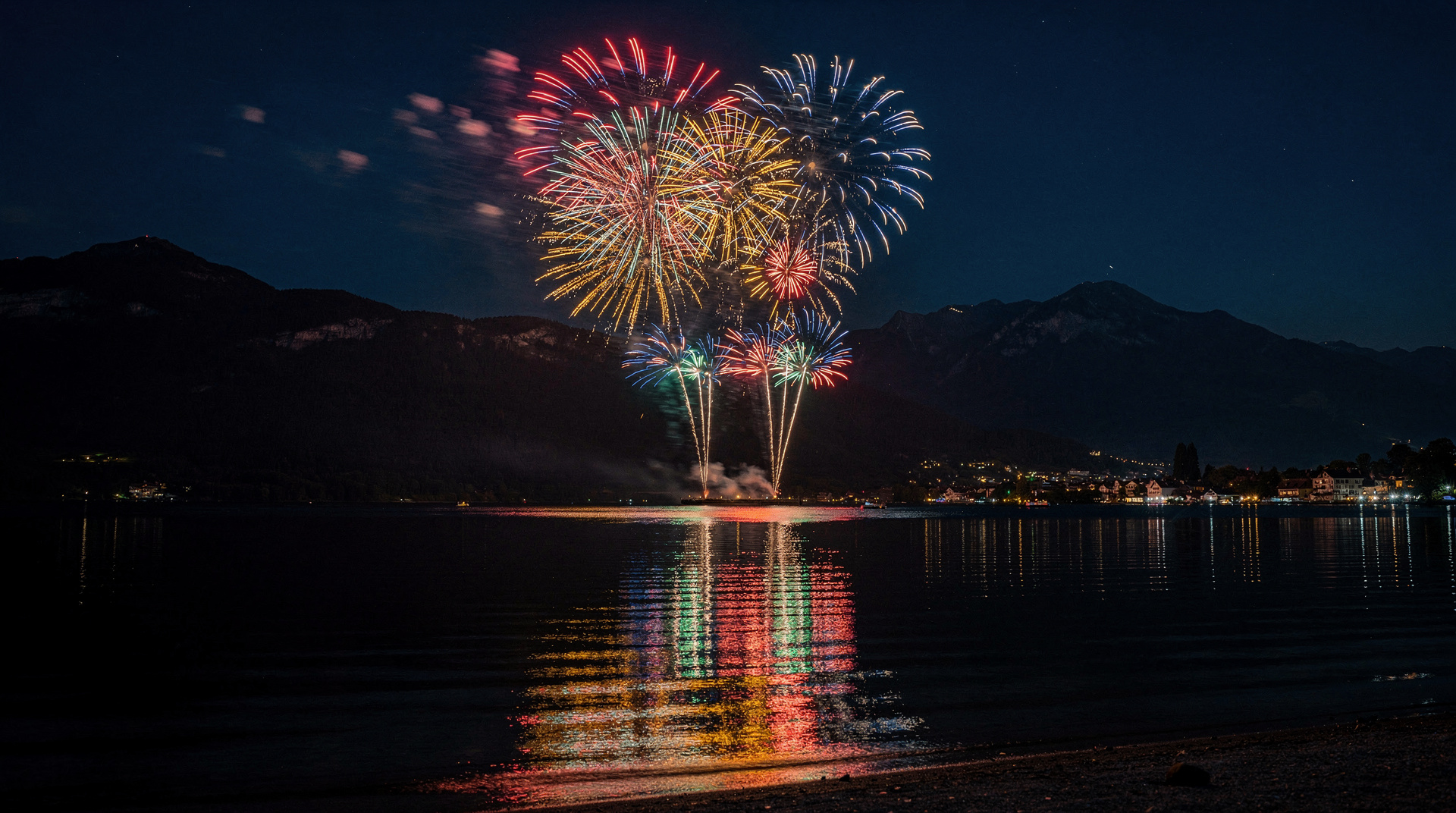
August 1 is Switzerland’s national birthday — commemorating the Federal Charter of 1291 signed by the three forest cantons at Rütli meadow above Lake Uri. Every town and village holds its own celebration: bonfires on hilltops, fireworks over lakes, parades, speeches, and the traditional Bräteln (outdoor barbecue gathering). The fireworks over Lake Geneva, Lake Zurich, and Lake Lucerne are spectacular.
Planning note: August 1 falls on a Saturday in 2026. The surrounding weekend (July 31–August 2) is the busiest travel weekend of the Swiss year. Hotel prices peak; trains are completely full; mountain viewpoints are packed. Pre-book all accommodation months in advance. Purchase train tickets early or travel with a Swiss Travel Pass.
15 August — Assumption of Mary (Mariä Himmelfahrt / Assomption)
Observed: Valais, Ticino, Fribourg, Lucerne, Uri, Schwyz, Obwalden, Nidwalden, Zug, Solothurn, Appenzell Innerrhoden, Jura, and other Catholic cantons What’s closed: Banks and some shops in Catholic cantons. What’s open: Tourism operations unaffected. Trains normal.
A major Catholic feast day with church services, market fairs in some towns, and local celebrations. In Valais and Ticino, this is a genuine public holiday with wider closures. In Protestant Zurich, Geneva, or Bern, the day passes unnoticed.
14 September — Jeûne fédéral (Federal Thanksgiving)
Observed: The third Sunday of September — a federal observance on a Sunday, meaning no weekday closures What’s closed: Normal Sunday closures; no additional impact on tourist activities.
The Jeûne fédéral is a day of prayer and thanksgiving with roots in the Reformation. As it falls on a Sunday, there is no weekday impact. In 2026 this is September 14.
15 September — Jeûne genevois (Geneva Thanksgiving)
Observed: Geneva only What’s closed: Banks, post offices, shops in Geneva. What’s open: Restaurants, hotels, tourist attractions. Trains run normal schedules.
The Jeûne genevois is an exclusively Genevan holiday — a secular fast day that has been observed in the canton since 1567. Shops close, government offices close, but Geneva still functions as a tourist city. The day falls on the Monday after the federal Sunday fast. In 2026 this is September 15.
1 November — All Saints’ Day (Allerheiligen / Toussaint)
Observed: Valais, Ticino, Fribourg, Lucerne, Uri, Schwyz, Obwalden, Nidwalden, Zug, Solothurn, Appenzell Innerrhoden, Graubünden (Catholic communities), Jura What’s closed: Banks, shops, government offices in Catholic cantons. What’s open: Tourist operations in Protestant cantons fully normal. Restaurant and hotels unaffected.
November 1 is a major Catholic observance focused on the remembrance of the dead — families visit cemeteries, candles are lit, flowers placed. The Protestant cantons observe no holiday. This is the most significant divide in the Swiss holiday calendar.
8 December — Immaculate Conception (Mariä Empfängnis / Immaculée Conception)
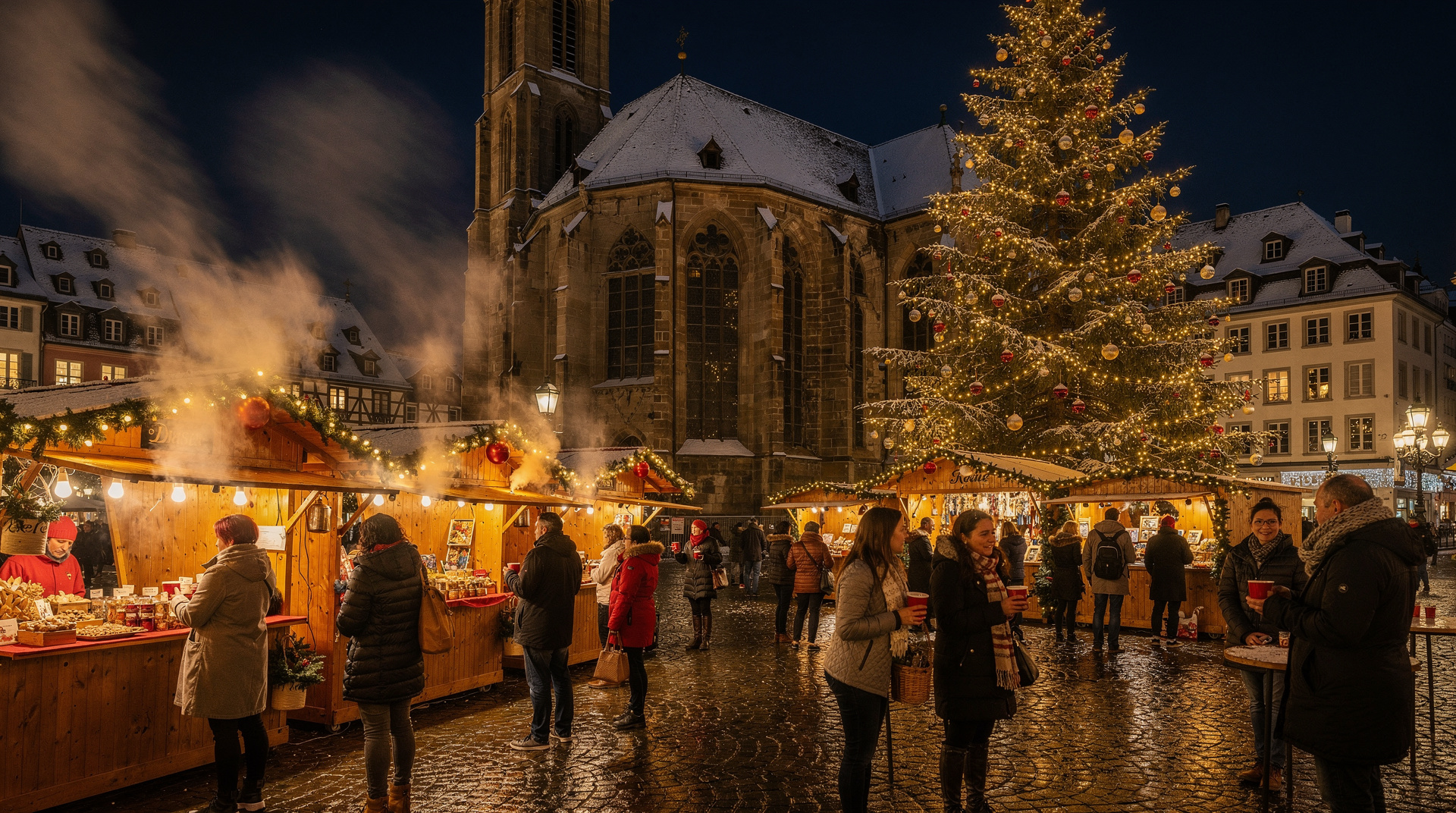
Observed: Valais, Ticino, Fribourg, Lucerne, Uri, Schwyz, Obwalden, Nidwalden, Zug, Solothurn, Appenzell Innerrhoden, Jura What’s closed: Banks and some shops in Catholic cantons. What’s open: Tourist operations unaffected. Christmas markets are operating by this date in most Swiss cities.
December 8 falls during prime Advent season. Whether or not the local canton observes the holiday, Swiss Christmas markets run from late November through December 24 in all major cities. The holiday designation has no practical impact on tourist activities.
25 December — Christmas Day (Weihnachtstag / Noël)
Observed: All 26 cantons What’s closed: Banks, post offices, shops. Significant closures nationwide. What’s open: Hotels, restaurants (often with special menus; book well ahead). Tourist sites may have reduced hours. Train services run a modified holiday schedule.
Christmas Day is one of the quietest days of the Swiss year. Families gather privately. Cities are nearly empty and very peaceful. Mountain resorts are busy (Christmas week is peak ski season) but retail shops are closed even in resort villages.
26 December — St Stephen’s Day (Stephanstag / Saint-Étienne)
Observed: All cantons except Vaud, Geneva, Valais, Neuchâtel, and Jura What’s closed: Banks, post offices, shops in German-speaking Switzerland and Ticino. What’s open: Tourist operations resume normal levels. Mountain resorts are fully operational.
Christmas long weekend planning: Christmas 2026 falls on a Friday. For cantons that also observe St Stephen on December 26, this creates a four-day break (December 25–28). The week between Christmas and New Year is the single busiest week of the ski season. All Swiss mountain resorts operate at or above capacity; accommodation must be booked six to twelve months ahead.
What’s open and closed on Swiss public holidays: a summary
Almost always closed on major holidays: Banks, post offices, government offices, most retail shops (clothing, electronics, furniture), pharmacies (a duty pharmacy rotates open in each town — posted on pharmacy doors and at sbb.ch).
Usually open on public holidays: Restaurants and cafés (may have reduced hours; book dinner ahead), hotels, tourist attractions and museums (check individual websites — many open with standard hours), SBB train stations (shops open limited hours — Zürich HB and Geneva Cornavin SBB shops typically 8:00–22:00 on holidays), supermarkets at airports and major train stations (Migros and Coop maintain airport outlets), petrol stations.
Always running on public holidays: Train services (SBB runs modified holiday schedules, almost identical to Sunday timetables, with some enhancements around National Day). Lake boats run regular schedules. Mountain cable cars and railways generally operate their summer or winter schedules regardless of public holidays.
School holiday periods and domestic travel peaks
Swiss public holidays are only part of the travel pressure story. School holiday periods — set by each canton on a rolling basis to distribute demand — produce enormous domestic travel surges that affect accommodation and mountain transport even on ordinary weekdays.
Winter sports school holidays (Sportferien): Mid-February, staggered by canton over roughly February 9–28. The Bernese Oberland, Valais, Graubünden, and Ticino ski resorts are at maximum capacity during these weeks. Grindelwald, Verbier, and Davos require advance booking from October or earlier.
Summer holidays (Sommerferien): Swiss school summer holidays are deliberately staggered canton by canton — typically running in waves from late June through mid-August. This means some domestic travel pressure throughout July and August, with peaks in late July and early August (coinciding with National Day). The mountains and lakes are busy throughout.
Autumn school holidays (Herbstferien): Staggered across cantons in October — typically October 3–18 depending on the canton. The Herbstferien produce a secondary mountain travel peak with hiking and the harvest season coinciding. Expect busy conditions in Interlaken, Lucerne, and the wine regions.
Practical travel tips around Swiss public holidays
Pre-book accommodation: Any major public holiday in Switzerland — especially the Easter weekend, Ascension, Pentecost, August 1, and Christmas — requires accommodation booked months ahead. Same-week booking is virtually impossible for mountain resorts and difficult even in cities.
Train tickets: SBB trains run on holiday schedules (similar to Sundays) on all public holidays. Seats are not guaranteed without a reservation on intercity routes. The Swiss Travel Pass includes seat reservation rights on scenic trains but not on standard ICE/IC services. For holiday travel, purchase specific seat reservations at sbb.ch.
Shopping strategy: If your travel overlaps with a major holiday in the canton you are visiting, stock up on supplies the day before. SBB station shops at Zürich HB, Geneva Cornavin, and Bern HB are the safest fallback — they open seven days a week including most holidays.
Restaurants: Popular restaurants fill completely on public holidays, particularly at lunch. Reserve 24–48 hours ahead for dinner; reserve further ahead for Easter, Christmas, and August 1 special menus.
Museums and attractions: Swiss museums often close on Mondays, not Sundays — a pattern that persists through public holidays. Check individual museum websites for holiday opening hours, as these vary significantly.
Which cantons have the most and fewest holidays
| Canton type | Approx. holiday count (2026) | Examples |
|---|---|---|
| Catholic cantons | 11-12 | Valais, Ticino, Lucerne, Schwyz, Fribourg |
| Reformed/Protestant cantons | 8-9 | Zurich, Bern, Basel-Stadt, Vaud |
| Geneva (unique case) | 9-10, plus the Geneva-only Jeûne genevois | Geneva |
This matters most for planning multi-region trips: a two-week itinerary crossing from Zurich to Valais around Easter or Corpus Christi will hit different closures in each region, so check the specific canton for each stop rather than assuming a single national calendar.
Practical impact for common itineraries
A first-time visitor building a one- or two-week trip should treat public holidays as a scheduling variable, not a reason to avoid dates. Trains, hotels, and restaurants function normally; only retail shopping and banking are meaningfully affected.
If your itinerary includes a Zurich to Lucerne leg or a stop in Geneva around the Jeûne genevois, plan grocery shopping a day ahead and book dinner reservations further in advance than usual. For a 3-day or 7-day itinerary that happens to fall over Easter, Ascension, or August 1, the main adjustment is booking accommodation and train seat reservations earlier than normal — not changing the route itself.
Frequently asked questions about Swiss public holidays 2026
Do trains and mountain railways run on Swiss public holidays? Yes. SBB trains run modified, Sunday-style schedules on all public holidays, and mountain railways and cable cars generally keep their normal summer or winter timetables regardless of the holiday calendar.
Is it worth avoiding Switzerland entirely during major holidays? No — the country functions normally for visitors; restaurants, hotels, and attractions stay open. The only real adjustment is booking accommodation and popular restaurant tables earlier than usual, and expecting busier trains and mountain viewpoints.
Related guides
- Best time to visit Switzerland — seasonal planning overview
- Christmas markets in Switzerland — Advent and December visits
- Swiss Travel Pass — transport for the whole country
- Switzerland in summer — July and August planning
- Switzerland in winter — December to February
- Getting around Switzerland — transport options and passes
- Plan your trip to Switzerland — complete planning guide
- Festivals and events in Switzerland — the annual events calendar