Jungfraujoch: complete guide to the Top of Europe
How much does Jungfraujoch cost?
A roundtrip ticket to Jungfraujoch costs from CHF 129.60 from Grindelwald Terminal via the Eiger Express. Swiss Travel Pass holders get 25% off. The Eiger Express cable car from Grindelwald is the fastest route (45 min vs 2+ hours by train).
What is Jungfraujoch?
| Details | |
|---|---|
| Where | Bernese Oberland, above Grindelwald and Lauterbrunnen |
| Cost | From CHF 129.60 return from Grindelwald Terminal; see the price calculator on jungfrau.ch for other departure points |
| Time needed | A full day; allow 2-3 hours at the summit itself |
| Getting there | Eiger Express from Grindelwald (around 45 min) or cogwheel train from Interlaken (around 2h15) |
| Best time | Early morning, year-round; clouds build from midday, especially in summer |
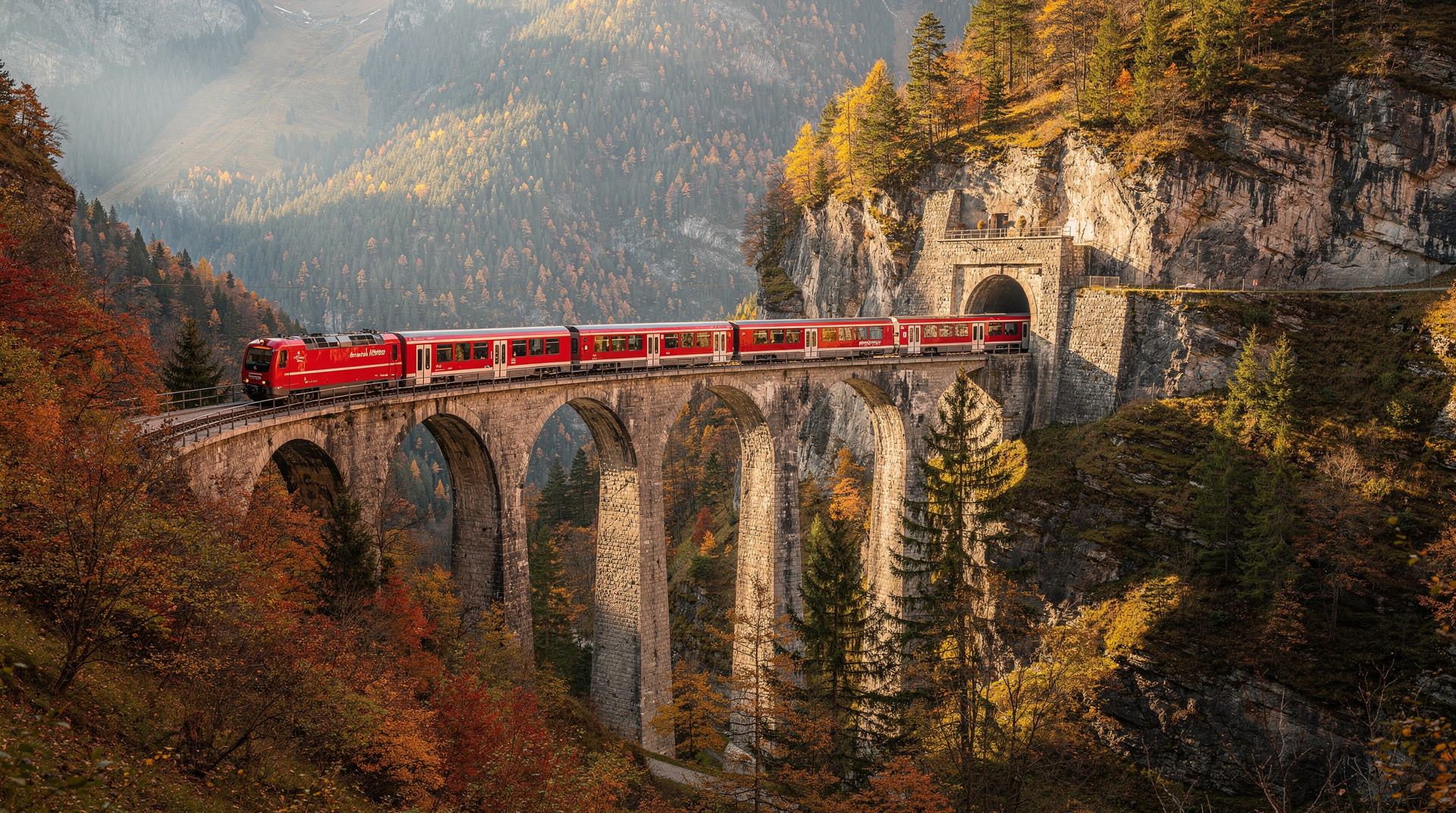
Jungfraujoch is the highest railway station in Europe, sitting at 3,454 meters above sea level in the Bernese Oberland. It sits in a saddle between the Jungfrau (4,158m) and the Mönch (4,107m), two of the most iconic peaks in the Swiss Alps. The journey to reach it is itself one of the great engineering achievements of the 20th century — a rack railway that burrows through the heart of the Eiger for 7 kilometres before emerging into thin mountain air.
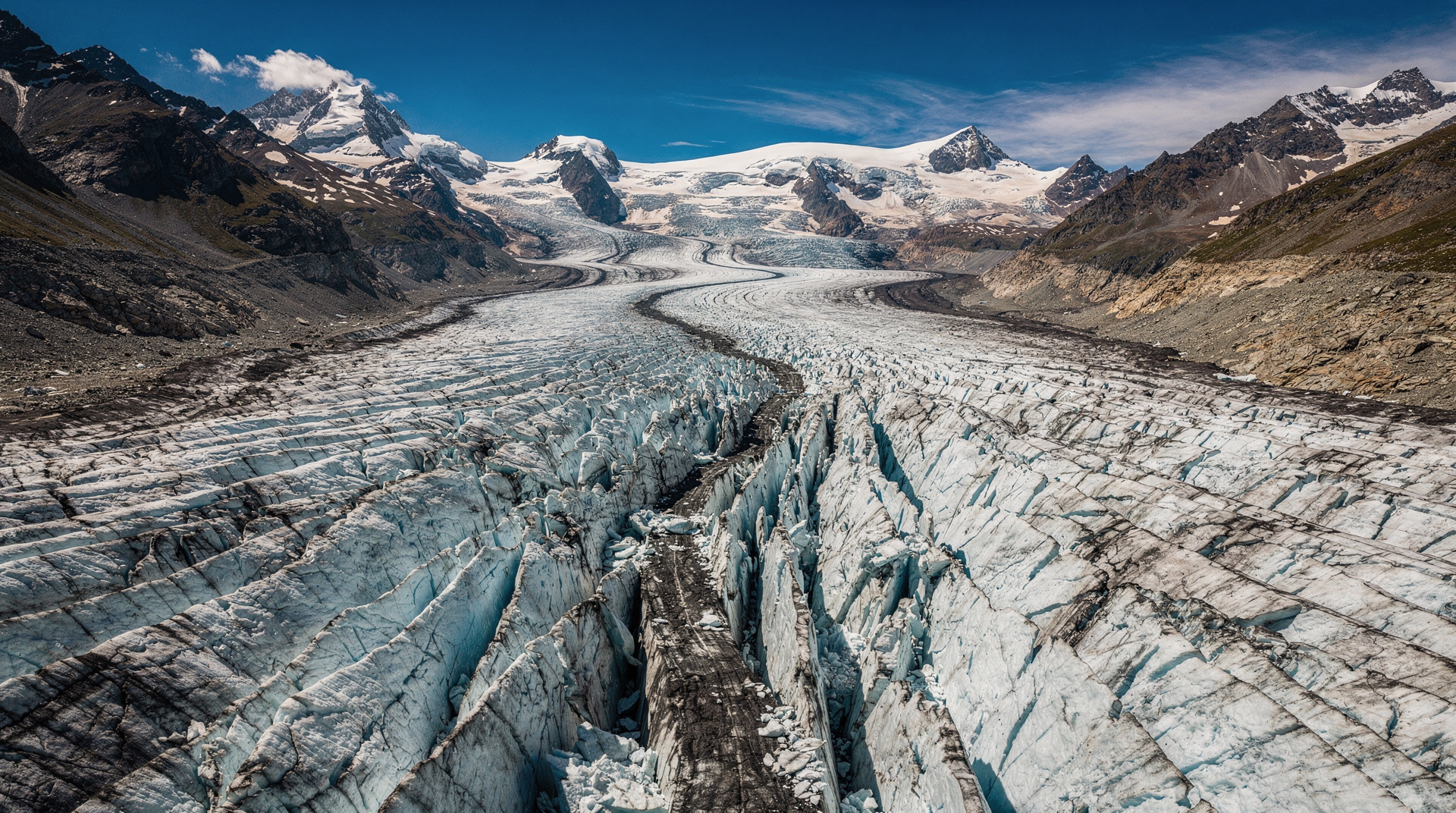
The experience at the top is unlike anything else in Switzerland. You step off the train and into a world of permanent snow, the vast Aletsch Glacier stretching away to the south in a river of ancient ice 23 kilometres long. On a clear day, visibility extends to the Black Forest in Germany and the Vosges mountains of France. The Sphinx Observatory, perched at 3,571 meters, is where atmospheric scientists have conducted research since 1937.
For most visitors to Switzerland, Jungfraujoch is the centrepiece of the entire trip. It earns its nickname — the Top of Europe — not just through altitude, but through sheer spectacle.
Jungfraujoch — Top of Europe ticket
Skip the long queue at the ticket window. Reserve your seat on the Eiger Express route and arrive at 3,454m with the best morning light.
- Free cancellation
- from CHF 129.60
Getting to Jungfraujoch
There are two main routes to Jungfraujoch, and the one you choose significantly affects both your travel time and your overall experience.
The Eiger Express route (recommended)
The faster and more dramatic option starts in Grindelwald. From Grindelwald Terminal, you board the Eiger Express gondola, a large cabin that whisks you up the flank of the Eiger to Eigergletscher station in just 15 minutes. The views of the Grindelwald valley and the north face of the Eiger during this ride are extraordinary. From Eigergletscher, the Jungfrau Railway takes you through the mountain to the top — another 30 minutes.
Total time from Grindelwald: approximately 45 minutes.
To reach Grindelwald from Lucerne, take the train via Interlaken (about 2 hours total). From Interlaken Ost, the train to Grindelwald takes 35 minutes.
The classic cogwheel train route
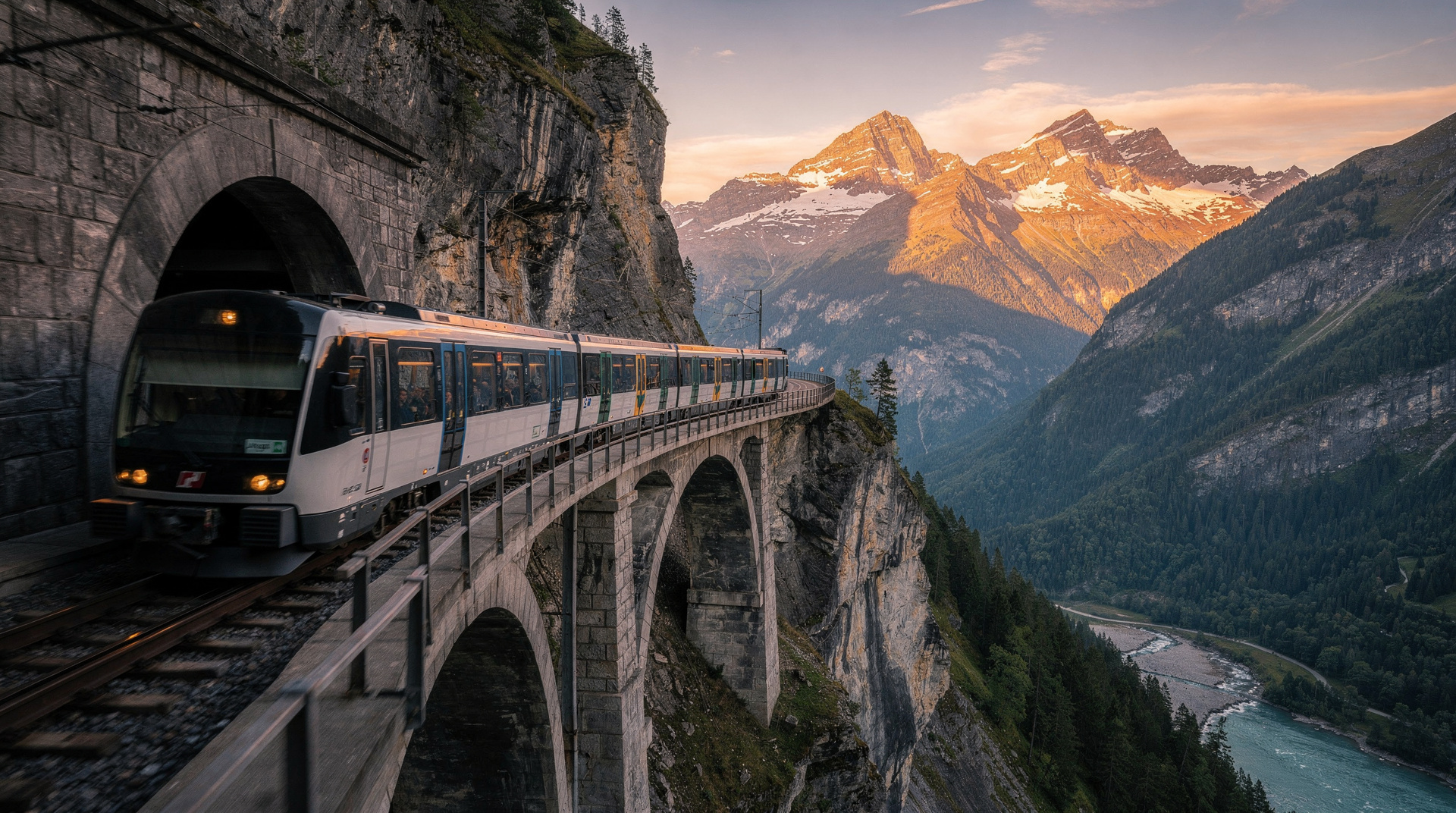
The traditional route departs from Interlaken Ost and travels through Grindelwald or Wengen (both routes merge at Kleine Scheidegg). You ride the famous yellow Jungfrau Railway cogwheel trains through the mountain. This approach takes around 2 hours and 15 minutes from Interlaken, but offers spectacular open-air views from Kleine Scheidegg before you enter the tunnel.
Many visitors choose to go up via one route and come down via the other, which lets you see more of the region.
Ticket prices 2026
Jungfraujoch tickets are priced by your departure point. The only confirmed official price is for a standard adult roundtrip ticket from Grindelwald Terminal via the Eiger Express; for other departure points, use the price calculator on jungfrau.ch:
- From Grindelwald Terminal (Eiger Express): from CHF 129.60
- Children aged 6-15: 50% discount
- Children under 6: free
From May to October 2026, a mandatory seat reservation of CHF 10 is also required on top of the ticket price.
The Good Morning Ticket is available from CHF 190.40 (valid 1 May-31 October 2026): depart early and return by 13:00. It is often the best weather window of the day. You can also book a self-guided Jungfraujoch tour from Interlaken that includes train tickets and a guided orientation at the top.
Swiss Travel Pass discount
Swiss Travel Pass holders receive a 25% discount on the full fare. This is applied automatically when you show your pass at the ticket window. The pass does not cover the full journey — the section above Grindelwald or Wengen is a supplement — but the 25% off still represents a meaningful saving, particularly if you are combining Jungfraujoch with other mountain excursions.
With the Half Fare Card, the ticket is half price.
Swiss Travel Pass also covers your travel to Interlaken and Grindelwald at no extra cost, so factor that in when comparing the overall value. Read our full breakdown at Swiss Travel Pass: the complete guide.
Booking tips
Book your tickets online in advance, especially during July and August when the mountain is extremely popular. The Jungfraubahn website and most Swiss rail ticket machines sell tickets with timed departure windows. If you book online, look for the Eiger Express package that includes a reserved cabin.
The first train departs Interlaken Ost at around 07:35 (check SBB app for exact times). The last return from Jungfraujoch is around 17:00 in summer, 16:30 in winter.
You can also book a guided excursion from Interlaken:
Interlaken to Jungfraujoch guided tour (GetYourGuide)Or purchase your railway ticket directly for the Grindelwald Eiger Express route:
Grindelwald to Jungfraujoch roundtrip railway ticket (GetYourGuide)What to see and do at the top
The Aletsch Glacier viewpoint
Step outside onto the Sphinx terrace and the first thing you see is the Aletsch Glacier — the largest glacier in the Alps. This UNESCO World Heritage Site stretches south for 23 kilometres, its surface a tumbled landscape of crevasses and seracs. On a sunny day, the light on the glacier is blinding white. On overcast days, the ice takes on shades of blue and grey that are equally beautiful.
There is a dedicated viewing terrace on the southern side of the complex, sheltered by glass windbreaks, with information panels explaining the glacier’s retreat over the past century. It is both stunning and sobering — the glacier has lost 3 kilometres of length since 1900.
The Sphinx Observatory
The Sphinx Observatory is accessible by a fast elevator from inside the complex. The observatory itself is a working scientific station, but visitors can access the outdoor platform at 3,571 meters — the highest point you can stand on at Jungfraujoch. On a clear day the panorama is overwhelming: the Matterhorn to the southwest, Mont Blanc on the French horizon, and the entire arc of the Bernese Alps.
The Ice Palace
Beneath the glacier surface, engineers carved a network of tunnels and chambers directly into the glacial ice. The Ice Palace (Eispalast) features sculptures carved from ice — Swiss crosses, animals, and abstract shapes — all lit with coloured lights. The temperature inside is permanently around -3°C, so you will feel the cold even in summer. It is a 15-minute detour but genuinely impressive.
Snow Fun Park
Outside the main building, the Snow Fun Park offers activities on snow year-round: tubing, snow discs, and short skiing opportunities on the glacier. These cost extra (roughly CHF 10-20 depending on the activity) and require appropriate clothing. In summer many visitors are surprised to find they can play in deep snow while wearing a T-shirt in the lower valleys below.
Lindt Swiss Chocolate Heaven
The large visitor centre at the top includes a Lindt chocolate experience — a small exhibition and shop dedicated to Swiss chocolate. It is primarily a retail opportunity but the story behind Swiss chocolate is presented well, and a cup of hot chocolate at 3,454 meters is genuinely enjoyable.
Practical tips for visiting
Go early
The single most important piece of advice for Jungfraujoch is to arrive early. Take the first train or gondola you can manage. Cloud typically builds over the mountains from midday onward, especially in summer, and by early afternoon the summit is frequently obscured. Morning visits offer the best chance of clear views and the Good Morning Ticket saves you money too.
Check the weather forecast
The Jungfraubahn website publishes a webcam feed from the summit updated every 30 minutes. Check it the morning of your visit before you buy tickets. If the summit is socked in, consider postponing — the views are the entire point, and a cloudy visit is a significant disappointment.
SRF Meteo (the Swiss meteorological service) publishes mountain-specific forecasts for the Jungfrau region. Look for forecasts that show less than 20% cloud cover at 3,500 meters for the best conditions.
Altitude and acclimatisation
3,454 meters is genuinely high. Most visitors feel the altitude in some form: headaches, slight shortness of breath, reduced energy. These symptoms are normal and not dangerous for healthy adults spending a few hours at the top. If you feel unwell, descend — do not push through.
Drink water before and during the visit. Avoid heavy meals in the hours before. If you have a heart condition or have had altitude sickness before, consult your doctor.
What to wear
Even in July, the temperature at Jungfraujoch is typically between -5°C and 5°C, with a significant wind chill factor on the outdoor terraces. Bring a proper warm jacket, gloves, and a hat regardless of the weather in the valleys. If you plan to spend time in the Snow Fun Park, add waterproof trousers and boots.
How long to spend at the top
Most visitors spend 2-3 hours at the top. The main sights — Aletsch Glacier view, Ice Palace, Sphinx Observatory — can all be covered in 2 hours if you are efficient. If you want to spend time in the Snow Fun Park or simply sit and absorb the scenery over lunch at the Restaurant, allow 3 hours.
Best time to visit
Spring (April to May): Snow cover is excellent, crowds are smaller than peak summer, and early spring light is often superb. Weather is unpredictable — check forecasts carefully. Some facilities may still be on winter schedules.
Summer (June to August): The most popular season. Warm temperatures in the valleys make the cool summit a relief. Afternoons are frequently cloudy — morning visits are essential. This is also the season for hiking around Kleine Scheidegg.
Autumn (September to October): Excellent visibility is common after summer storms clear the air. The larch trees below turn golden. Crowds thin noticeably from September. One of the best times to visit.
Winter (November to March): The top is open year-round, but access from Wengen and Grindelwald requires ski passes in winter for the ski pistes. The mountain is quieter and the light can be spectacular, particularly after fresh snowfall. Not all facilities are fully open in the deepest winter months.
| Season | Weather at the top | Crowds |
|---|---|---|
| Spring (Apr-May) | Full snow cover, unpredictable clarity | Smaller than summer |
| Summer (Jun-Aug) | Warm valleys, frequent afternoon cloud at altitude | Busiest — go early |
| Autumn (Sep-Oct) | Often the clearest visibility of the year | Thins out noticeably from September |
| Winter (Nov-Mar) | Cold, occasional fresh snow, spectacular light | Quietest season |
How busy does it get, and can you avoid the crowds?
Jungfraujoch is one of the most-visited single attractions in Switzerland, and in July and August the trains and gondolas from Interlaken and Grindelwald can be genuinely full, with queues at the ticket barriers and a crowded summit terrace by mid-morning. The single best way to reduce crowd exposure is timing rather than season: take the first departure of the day.
Because most visitors arrive on later trains, an early start gives you a noticeably quieter Sphinx terrace and Ice Palace for the first hour or two, even in peak summer. Booking a timed-entry ticket in advance also avoids the ticket-counter queue on arrival. If your dates are flexible, late September and early October combine good visibility with much smaller crowds than the summer peak.
The wider Jungfrau region
Jungfraujoch sits at the heart of a broader alpine region with exceptional walking and adventure opportunities. From Kleine Scheidegg — the junction point for both main routes — you can hike toward Grindelwald along the Eiger Trail, which passes beneath the legendary north face. The trail takes about 3 hours and involves a descent of around 1,000 metres in altitude.
The Bernese Oberland also offers extraordinary paragliding from Interlaken — see our guide to paragliding in Interlaken. For those planning a longer itinerary, our 7-day Switzerland itinerary builds a Jungfraujoch visit into a comprehensive Swiss circuit.
The Glacier Express connects Zermatt to St. Moritz and pairs well with a Bernese Oberland trip if you are spending a week or more in Switzerland. If budget is a factor, see our budget travel guide for tips on making the most of discount passes.
Comparing the mountain excursions
Jungfraujoch is the most expensive and the highest of the major Swiss mountain excursions, but it is not necessarily the best for everyone. If views of the Matterhorn are your priority, Gornergrat near Zermatt is the better choice. If you want a circular trip combining boat, cogwheel train, and cable car, Mount Pilatus from Lucerne is outstanding. For a detailed comparison, see our guide: Jungfraujoch vs Pilatus vs Titlis.
Prefer a structured tour that bundles rail travel, a local guide, and priority access? The guided day trip to Jungfraujoch from Zurich, Lucerne, or Interlaken is a popular choice for first-time visitors who want everything organised.
For a more leisurely approach, the 2-day Jungfraujoch and Jewels of the Alps tour combines the summit with the wider Bernese Oberland over two days.
If you are based in Interlaken, Harder Kulm is an easy half-day addition that requires no advance planning. Grindelwald First offers adventure activities including the First Flyer zipline and the famous Cliff Walk.
For an overview of all major Swiss mountains, see our full guide.
Getting there: transport summary
From Zurich: Take the train to Bern (1 hour), then to Interlaken Ost (50 min), then to Grindelwald (35 min). Or change at Bern for a direct service to Interlaken. Total journey: about 2.5 hours from Zurich Hauptbahnhof.
From Lucerne: Train via Interlaken (2 hours to Grindelwald). The panoramic route via the Brünig Pass is scenic and recommended.
From Geneva: Train to Bern (2 hours) then to Interlaken (50 min). Total: about 3 hours.
The Swiss Travel Pass covers all connections to Interlaken and Grindelwald. The supplement for the Jungfraujoch section is paid separately at 75% of the normal fare.
Restaurants and food at the top
The Top of Europe complex includes several dining options at 3,454 meters:
Restaurant Bollywood: An Indian restaurant at the top — yes, really. It serves a full menu and is popular year-round. Mains cost around CHF 25-40.
Crystal Restaurant: A more traditional Swiss restaurant with mountain views. Expect CHF 25-45 for a main course.
Café Glacier: The informal option for soups, sandwiches, and hot drinks. A coffee costs around CHF 5 and a bowl of soup around CHF 12.
You are not required to eat at the top. Many visitors bring their own snacks, which is allowed outside on the viewing terraces. Given the premium prices, this is a sensible approach if you are watching costs.
Accessibility
The Jungfraujoch complex is more accessible than you might expect. The main visitor areas — the Sphinx terrace, Ice Palace, Crystal restaurant, and exhibition spaces — are accessible by lift from the train platform. The outdoor glacier terrace requires some steps. Wheelchair users and those with limited mobility should check the Jungfraubahn website for the most current accessibility information, as the complex has been progressively upgraded.
The Eiger Express gondola from Grindelwald is fully accessible and is generally the better option for visitors with reduced mobility compared to the cogwheel train.
Sustainability note
The Jungfraubahn group has committed to carbon-neutral operations by 2030. The trains run on hydroelectric power, and the complex at the top uses renewable energy where possible. The Aletsch Glacier, visible from the summit, is retreating noticeably — an average of about 50 metres per year in recent decades. Visiting Jungfraujoch in the context of climate change gives the experience an extra dimension that is hard to ignore.
Summary: is Jungfraujoch worth it?
From CHF 129.60 roundtrip, Jungfraujoch is expensive. But for the combination of spectacle, history, and genuine Alpine grandeur, it remains one of the most extraordinary experiences Switzerland offers. The Aletsch Glacier alone justifies the journey. The Ice Palace, Sphinx Observatory, and snow activities make it a full day’s experience rather than a mere viewpoint.
Go early, check the weather, dress warmly, and take the Eiger Express for the fastest route and the most dramatic approach. If conditions are good, this will be one of the most memorable days of your Switzerland trip.
Frequently asked questions about Jungfraujoch
How long do you spend at Jungfraujoch?
Most visitors spend 2-3 hours at the top. The main sights — the Aletsch Glacier viewpoint, Sphinx Observatory, and Ice Palace — can be covered in about 2 hours. If you want to enjoy the Snow Fun Park or have lunch at one of the summit restaurants, allow 3 hours.
Is Jungfraujoch worth visiting?
Yes, for most visitors Jungfraujoch is the highlight of their Switzerland trip. The combination of the Aletsch Glacier panorama, the Ice Palace, and standing at 3,454 metres makes it a genuinely unique experience. The key is to go on a clear day — check the summit webcam before buying tickets, as a cloudy visit is a significant disappointment.
Can you see the Matterhorn from Jungfraujoch?
Yes, on a clear day the Matterhorn is visible from the Sphinx Observatory terrace at 3,571 metres, along with Mont Blanc and dozens of other Alpine peaks. Visibility depends entirely on weather conditions, so a cloudless morning gives the best chance of spotting distant summits.
What should I wear to Jungfraujoch?
Even in July, temperatures at the summit range from -5 to 5 degrees Celsius with significant wind chill. Bring a warm jacket, gloves, and a hat regardless of valley weather. If you plan to spend time in the Snow Fun Park, add waterproof trousers and sturdy boots. Sunglasses are essential as the glare off the snow can be intense.
Is there altitude sickness at Jungfraujoch?
At 3,454 metres, most visitors feel some effects of altitude — typically mild headache, slight breathlessness, or reduced energy. These symptoms are normal and not dangerous for healthy adults spending a few hours at the top. Stay hydrated, avoid heavy meals beforehand, and descend if you feel unwell.
Is Jungfraujoch open in winter?
Yes, Jungfraujoch operates year-round, including throughout winter. However, winter brings reduced opening hours, earlier last departures, and some facilities may not be fully operational. The summit can be particularly spectacular after fresh snowfall, and crowds are considerably smaller than in summer.
How cold is it at Jungfraujoch?
Temperatures at the summit typically range from -15 to -5 degrees Celsius in winter and -5 to 5 degrees Celsius in summer. Wind chill on the outdoor terraces can make it feel significantly colder. The indoor areas of the complex are heated, so you can warm up between outdoor viewing sessions.
Should I go to Jungfraujoch from Interlaken or Grindelwald?
Starting from Grindelwald using the Eiger Express gondola is the fastest route (about 45 minutes vs 2+ hours from Interlaken). The classic cogwheel train from Interlaken via Kleine Scheidegg is slower but more scenic. Many visitors go up one way and down the other to experience both routes.
For day trip ideas that combine Jungfraujoch with other experiences, see our day trips from Lucerne guide, and for the broader picture of planning your trip, see our best time to visit Switzerland guide.