Gornergrat: the best Matterhorn viewpoint
How do I get to Gornergrat?
Take the Gornergrat cogwheel train from Zermatt station. It takes 33 minutes to reach 3,089m with stunning Matterhorn views. The roundtrip ticket costs CHF 113 per adult (December 2026 to April 2027), with 50% off with Swiss Travel Pass.
Gornergrat: Matterhorn views from 3,089 metres
There are many places to see the Matterhorn. But Gornergrat, at 3,089 metres, gives you the most dramatic perspective of any easily accessible viewpoint in the area. The pyramid of the Matterhorn (4,478m) fills the western skyline from the summit, with the Gorner Glacier and the Monte Rosa massif — home to Switzerland’s highest peak, the Dufourspitze at 4,634m — stretching to the south and east. On a clear morning, the Matterhorn reflected in the Riffelsee lake below the summit is one of the most photographed views in the Alps.
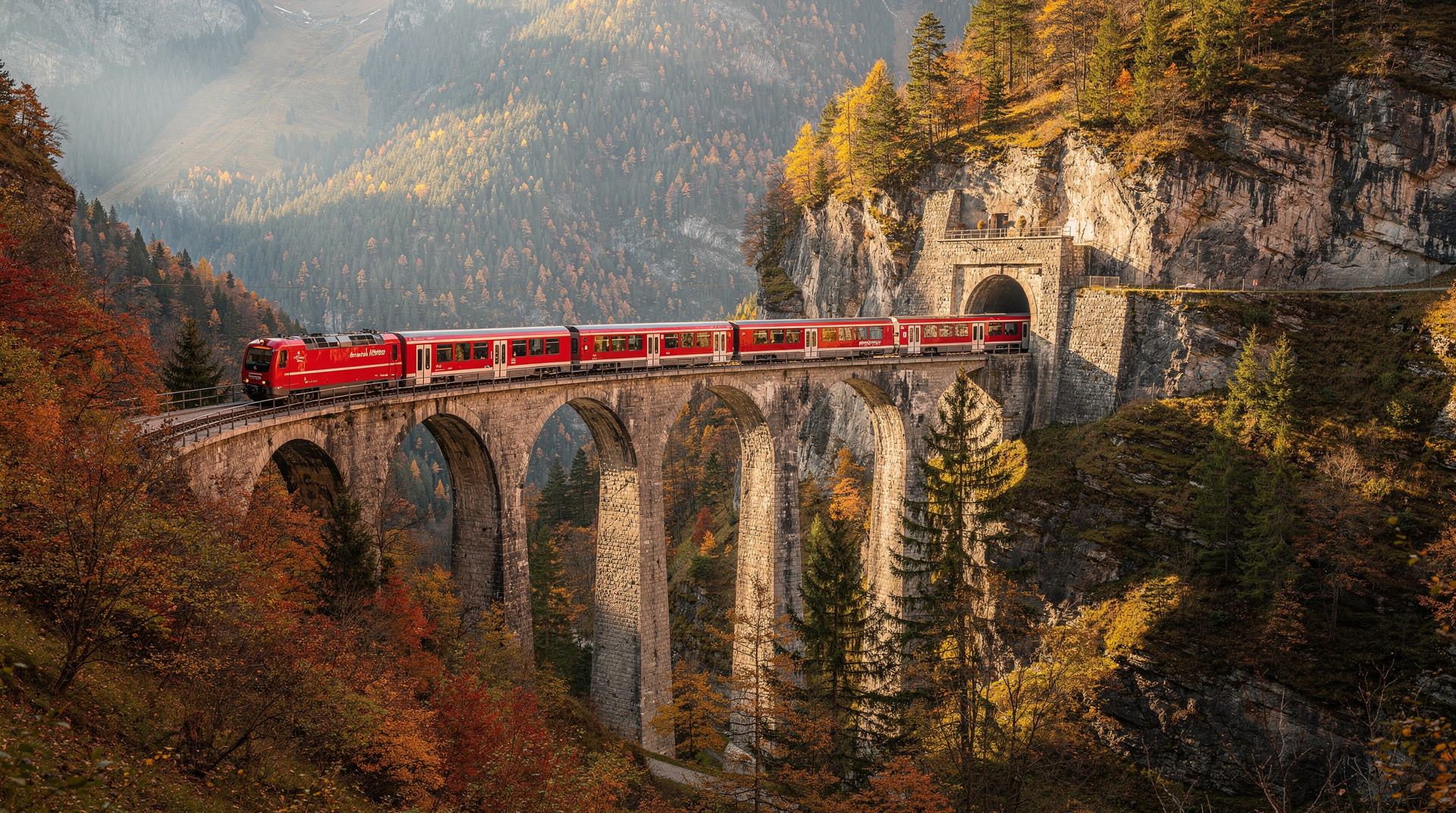
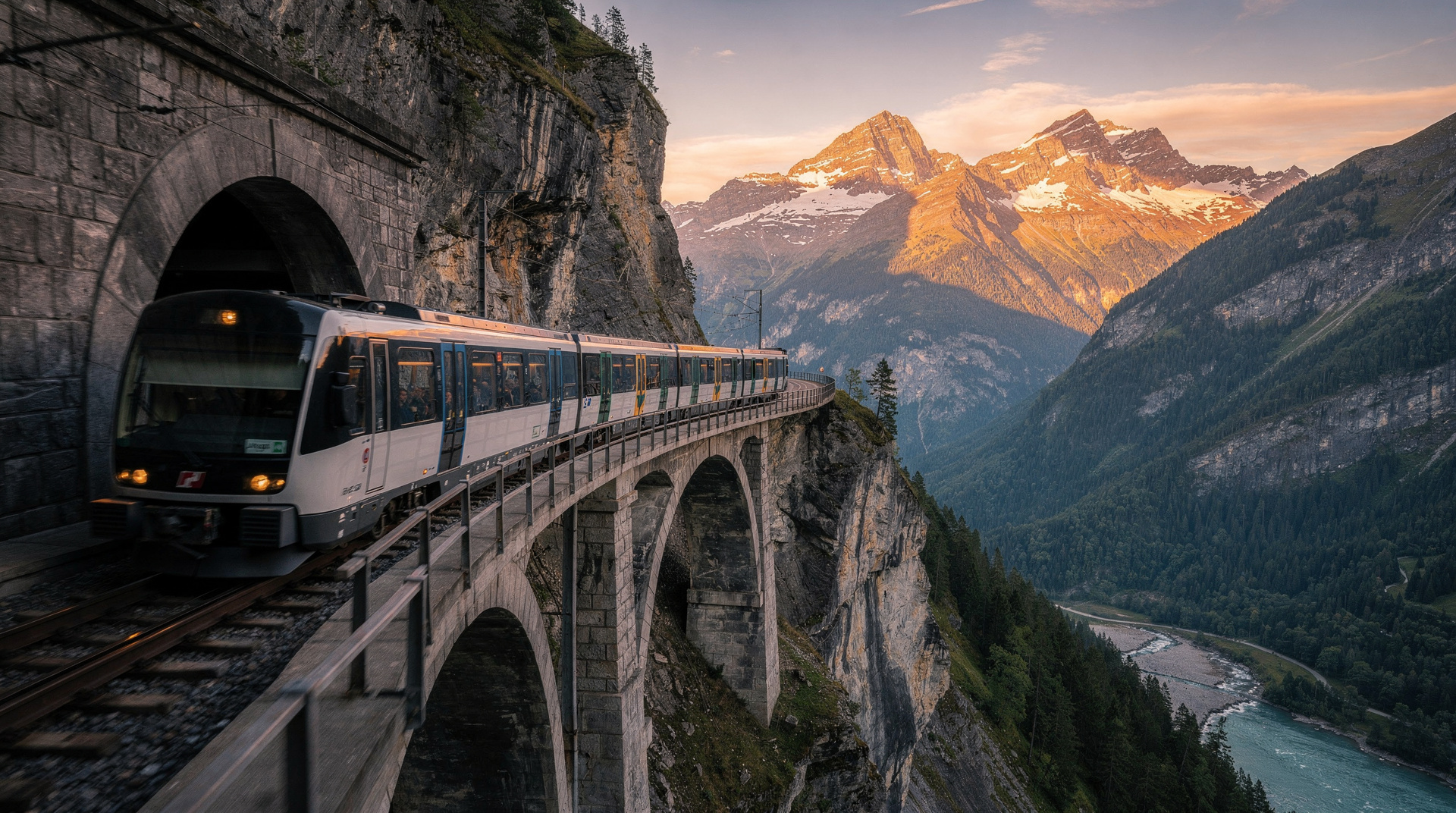
Gornergrat is reached by the Gornergrat Railway, a metre-gauge cogwheel railway that has been climbing from Zermatt to the summit since 1898. It was the first electrified rack railway in Europe, and it still runs on the same route today, entirely powered by renewable energy.
At a glance
| Where | above Zermatt, reached by cogwheel train |
| Cost | CHF 113 roundtrip per adult (December 2026 to April 2027; summer fares on gornergrat.ch), 50% off with Swiss Travel Pass |
| Time needed | half a day; longer with a hike down or an overnight at Kulmhotel |
| Getting there | Gornergrat cogwheel train from Zermatt station, 33 minutes |
| Best time | early morning for clear skies and alpenglow; year-round, but pack warm layers |
Zermatt village walk & Gornergrat — private guided tour
Explore car-free Zermatt with a local guide, then ride the historic cogwheel train to 3,089m for the finest face-on view of the Matterhorn in the Alps.
- Free cancellation
- from CHF 150
Getting to Gornergrat
From Zermatt station
The Gornergrat cogwheel train departs from Zermatt railway station — the platforms are directly adjacent to the main SBB arrival platform, making the connection seamless. The journey takes 33 minutes and covers a vertical rise of 1,469 metres over 9.3 kilometres of track.
The train stops at several intermediate stations on the way up: Riffelalp (2,211m), Riffelberg (2,582m), Rotenboden (2,815m), and Riffelberg (2,582m). Each stop offers different views of the Matterhorn, and you can ride up to the summit and walk down, stopping at intermediate points.
Trains depart every 24 minutes in peak season (summer and winter). The first train leaves Zermatt at approximately 07:00, the last descent from Gornergrat at around 19:30 in summer.
Getting to Zermatt
Zermatt itself is a car-free village in the Valais canton, accessible only by train or electric vehicle. The main rail approach is via Visp on the main Geneva-Milan line:
- From Geneva: Train to Visp (1 hour 45 minutes), change to Matterhorn Gotthard Bahn to Zermatt (1 hour 20 minutes). Total: about 3 hours.
- From Zurich: Train to Visp (2 hours) or via Bern (slightly longer). Then MGB to Zermatt (1 hour 20 minutes).
- From Bern: Train to Visp (1 hour 20 minutes), then MGB.
- From Lucerne: Train via Brig (about 2.5 hours total).
The Swiss Travel Pass covers all national rail to Visp and the Matterhorn Gotthard Bahn to Zermatt. Travel within the Zermatt area to Gornergrat qualifies for a 50% discount with the Swiss Travel Pass — the best discount offered by any major Swiss mountain.
For full Zermatt planning, see our destination guide.
Ticket prices 2026
Roundtrip Zermatt to Gornergrat: CHF 113 per adult (December 2026 to April 2027); for summer fares, see gornergrat.ch Swiss Travel Pass: 50% discount Children 6-15: 50% discount (can be combined with Swiss Travel Pass for children) Children under 6: free
This 50% Swiss Travel Pass discount makes Gornergrat one of the best-value major mountain excursions in Switzerland when you already have the pass. For context: Jungfraujoch offers only 25% off with the pass, and Titlis offers no discount at all.
You can also book guided tours:
Zermatt village walk and Gornergrat private tour (GetYourGuide)What to see and do at Gornergrat
The Matterhorn view
The Matterhorn from Gornergrat is a different view from what most people have seen in photographs. Most famous images of the Matterhorn are taken from Zermatt village below, looking up at the pyramid silhouette. From Gornergrat, you are at nearly the same altitude as the Matterhorn’s flanks, and you see the mountain from the side — with the Gorner Glacier in the foreground and the Monte Rosa massif flanking it.
The summit ridge of Gornergrat faces the Matterhorn almost directly west. In the morning, the sun illuminates the east face of the Matterhorn from Gornergrat’s perspective. In the afternoon, the light shifts to the west face, which glows golden in late afternoon. Sunset from Gornergrat — when you can see it — is extraordinary.
Gorner Glacier
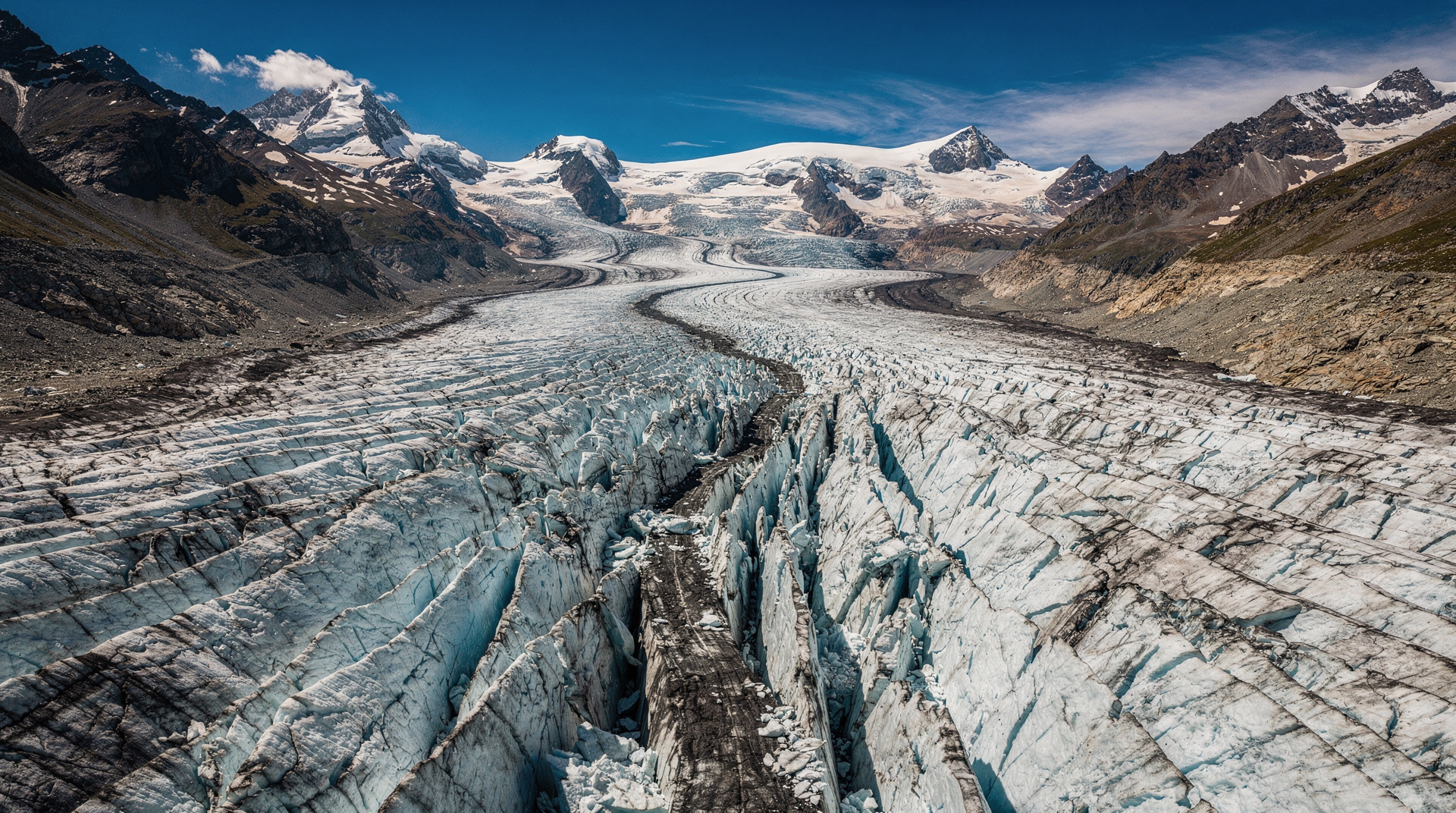
The Gorner Glacier (Gornergletscher) is the second largest glacier in the Alps. From Gornergrat, you have an aerial perspective on its entire length — the surface a jumbled landscape of crevasses, seracs, and meltwater channels. Information panels on the summit terrace describe the glacier’s formation and its dramatic retreat over the past 150 years. The glacier has lost about 3 kilometres in length since detailed measurements began.
At the Rotenboden station (2,815m, one stop below the summit), a short walk leads to the Riffelsee — a small high-altitude lake that, on calm windless mornings, reflects the Matterhorn perfectly. This is one of the most photographed images in Switzerland. Allow 30 minutes extra to stop here.
Kulmhotel Gornergrat
The summit hotel — Kulmhotel Gornergrat — is the highest hotel in the Swiss Alps and has been operating since 1896. Staying overnight is one of the great Swiss mountain experiences: the summit empties after the last cogwheel train departs, leaving you alone with the Matterhorn as the sun sets and the stars appear. On clear nights at 3,089 metres, the Milky Way is spectacular.
Prices start at around CHF 180 per person per night, including breakfast. The hotel has a telescope for star gazing and organises sunrise viewing for guests. Book well in advance — the hotel has only about 50 rooms and sells out months ahead in summer and winter.
3S Aerial Tramway to Klein Matterhorn
From Zermatt, a separate cable car system — the 3S Aerial Tramway — reaches Klein Matterhorn (Matterhorn Glacier Paradise) at 3,883 metres, the highest cable car destination in the Alps. This is a separate excursion from Gornergrat, but both can be combined in a long day or over two days in Zermatt.
The Klein Matterhorn viewpoint puts you at the same altitude as the Matterhorn’s shoulder, with views extending into Italy. The Italian ski resort of Cervinia is visible and even accessible by ski in winter. The adult roundtrip ticket costs CHF 120 (30 May to 1 June and September to October) or CHF 132 (July and August). Book the Matterhorn Glacier Paradise cable car ticket on GetYourGuide to secure your timed entry.
Photography tips for the Matterhorn
The Matterhorn is technically simple to photograph but requires good light and patience. Here are the key considerations:
Morning light: The east face of the Matterhorn catches the first light of day (alpenglow typically begins around 30 minutes before sunrise). The train from Zermatt at 07:00 puts you on the summit by 07:33 — usually early enough to catch the first light in summer. The Riffelsee reflection requires calm wind and is most reliable in July and August mornings.
Clouds: Clouds around the Matterhorn summit are extremely common, particularly in the afternoon. The standard pattern in summer is clear morning, cloud building from noon, afternoon thunderstorms possible. Morning is non-negotiable for clear Matterhorn views.
Best positions: The summit terrace at Gornergrat directly faces the Matterhorn. The Riffelsee at Rotenboden (one stop down) gives the reflection shot. The Riffelberg plateau (2,582m) gives a lower, wider perspective with the village of Zermatt visible far below.
Winter photography: The Matterhorn from Gornergrat in winter, with fresh snow, is one of the most spectacular alpine views in the world. The sky is frequently bluer than in summer, there are fewer people, and the snow on the mountain is pristine. Winter access requires the ski area pass in addition to the Gornergrat ticket — check current 2026 pricing.
Hiking from Gornergrat
Gornergrat is the starting point for several excellent alpine hikes. All require proper footwear and fitness — these are high-altitude routes with significant exposure in places.
Gornergrat to Rotenboden (30 minutes): The easiest walk, descending one station along the train route with continuous Matterhorn views. Perfect for all fitness levels.
Gorner Glacier trail (2-3 hours): From Rotenboden, a marked path descends toward the glacier moraine. You can walk along the glacier edge (not onto it — crevasse risk) and then continue to Zermatt or return by train. Outstanding views throughout.
Monte Rosa Hütte trail (4-5 hours each way, experienced hikers only): A demanding route toward the SAC Monte Rosa mountain hut. Not suitable for casual visitors.
In winter, the area around Gornergrat is developed ski terrain with 360 kilometres of pistes connecting Zermatt, Cervinia, and surrounding areas. The ski region is one of the largest in the Alps.
Zermatt village
Spending time in Zermatt itself is essential context for the Gornergrat excursion. The village is car-free (electric taxis and horse-drawn carriages are the only vehicles), and the main street — Bahnhofstrasse — is lined with shops, restaurants, and hotels. The Matterhorn is visible from nearly every point in the village on a clear day.
Zermatt Matterhorn Museum: A well-curated museum about the Matterhorn’s mountaineering history, including the tragic first ascent of 1865 in which four members of the team died on the descent. Entry CHF 10.
Zermatt village church and cemetery: The cemetery contains the graves of many climbers who died on the Matterhorn — a sobering but moving reminder of the mountain’s history.
Shopping: Zermatt has good shops for outdoor equipment, Swiss watches, chocolate, and souvenirs. Prices are higher than in lowland towns, but the selection of high-quality Swiss goods is excellent.
See our full Zermatt destination guide for restaurant recommendations, hotel suggestions, and more.
Practical tips
What to wear
3,089 metres is genuinely alpine in any season. Even in July, temperatures at Gornergrat typically sit between 0°C and 10°C, with wind chill pushing effective temperatures lower. Warm waterproof layers, gloves, and a hat are essential. In winter, full ski or mountaineering attire is necessary.
Altitude effects
The rapid ascent from Zermatt (1,608m) to Gornergrat (3,089m) in 33 minutes — a gain of 1,481 metres — is fast enough to cause mild altitude symptoms in some people. Headache, slight breathlessness, and reduced energy are normal. Drink water, move slowly, and descend if you feel significantly unwell.
Food and drinks at the summit
The Kulmhotel restaurant is open to day visitors and serves good Swiss mountain food — Zürich-style veal, rösti, soups, and cheese dishes. Mains cost CHF 25-45. The hotel bar serves coffee, hot chocolate, and alcohol. A coffee costs about CHF 5.
There is also a small Mövenpick ice cream and snack kiosk at the summit station — incongruous but popular.
Combining Gornergrat with other excursions
Zermatt + Gornergrat in a day trip from Geneva: Depart Geneva by 07:00, arrive Zermatt by 10:00, Gornergrat by 10:33. Return Zermatt by 16:00, Geneva by 19:00. Long but feasible. See our best time to visit guide for seasonal planning.
Combining with Glacier Express: The Glacier Express departs from Zermatt, making it natural to combine a Zermatt visit (including Gornergrat) with the full Glacier Express journey to St. Moritz and onward. This is one of the classic Switzerland itineraries and works beautifully with a 7-day circuit — see our 7-day itinerary. Book your Glacier Express 2nd class seat from Zermatt to St. Moritz in advance, especially for summer travel.
Comparing Gornergrat with other Zermatt viewpoints
Gornergrat vs Klein Matterhorn (Matterhorn Glacier Paradise): Klein Matterhorn at 3,883m is significantly higher and gives a more dramatic close-up of the Matterhorn. But Gornergrat at 3,089m gives a broader panorama that puts the Matterhorn in context with the Gorner Glacier and Monte Rosa. The Riffelsee reflection shot is only possible from the Gornergrat route. Klein Matterhorn costs slightly more but is worth it for the summit experience if you have time for both.
Gornergrat vs Sunnegga: Sunnegga (2,288m) is reached by a funicular from Zermatt in 4 minutes. It gives a lower perspective on the Matterhorn and is better for seeing the Matterhorn reflected in the Stellisee lake. Much cheaper (around CHF 30 roundtrip), and good for families with young children.
Gornergrat vs Rothorn: Rothorn (3,103m) is reached by cable car from Sunnegga via Blauherd. At a similar altitude to Gornergrat, it gives views from the opposite side of the Matterhorn. Less visited, more peaceful, and slightly cheaper.
Getting there: full logistics
Swiss Travel Pass users: Cover all travel to Visp and Zermatt. Pay 50% of the Gornergrat roundtrip fare (CHF 113 from December 2026 to April 2027).
Without Swiss Travel Pass: Consider buying an individual point-to-point rail ticket or a regional Zermatt day pass which sometimes bundles cogwheel train and cable cars.
For a complete breakdown of Switzerland rail passes and their value for mountain excursions, see our Swiss Travel Pass guide. For budget planning, see our budget travel guide.
The Bernina Express connection
If you are travelling from Zermatt toward eastern Switzerland, the combination of a Gornergrat morning and an afternoon Bernina Express journey is one of the finest days possible in Swiss rail travel. The Bernina Express departs from Chur (accessible from Zermatt via Visp and Brig), crosses the Albula Pass in an extraordinary UNESCO-listed rail route, and descends into the Italian landscape of Poschiavo. A once-in-a-trip combination.
Summary
Gornergrat earns its reputation as the best accessible Matterhorn viewpoint. The 50% Swiss Travel Pass discount makes it exceptional value for pass holders. The cogwheel railway, the Riffelsee reflection lake, the Gorner Glacier, and the option to stay overnight at Kulmhotel make it a layered experience rather than a simple viewpoint visit.
Go early. Check the weather. Bring warm layers. And if you can possibly arrange to be there for the first light — the alpenglow on the Matterhorn from Gornergrat at sunrise is something that stays with you permanently.
For those arriving in Zermatt from Geneva, Zurich, or Bern, the Glacier Express scenic routes between Chur and Zermatt is a spectacular way to arrive — combining the scenic train journey with a Zermatt and Gornergrat itinerary makes one of the finest multi-day combinations in Switzerland.
For a full picture of Swiss mountain excursions, see our mountains overview and the day trips from Lucerne guide.
Frequently asked questions about Gornergrat
Is Gornergrat better than Klein Matterhorn?
They serve different purposes. Klein Matterhorn (3,883m) gives a higher, closer view with sightlines into Italy, while Gornergrat (3,089m) gives the broader panorama with the Gorner Glacier, Monte Rosa, and the Riffelsee reflection lake — and it comes with the best Swiss Travel Pass discount of any major Zermatt excursion. If time allows, doing both over two days is the classic approach.
How much time should I budget for Gornergrat?
A half-day is enough for the round trip and time on the summit terrace, but allow a full day if you want to add the short walk to Riffelsee, hike down one or two stations, or have lunch at Kulmhotel. An overnight at the summit hotel turns it into its own standalone experience.