Switzerland in January: weather, activities, and tips
Is January a good time to visit Switzerland?
January is excellent for skiing and winter sports — it's peak season with reliable snow above 1,000m. Valley cities like Zurich and Lucerne are quiet and cold but charming. Expect CHF 0-5C in cities and heavy snow in mountain resorts.
Switzerland in January: what to expect
January is Switzerland’s coldest month and the undisputed heart of ski season. If you are heading to the mountains, this is prime time — resorts are humming, snow conditions are typically at their best, and the entire country feels oriented around winter. If you are visiting the cities, January is quiet, affordable, and genuinely atmospheric in a way that summer never quite manages.
The trade-off is that valley floors are often shrouded in thick fog — a phenomenon called Hochnebel — while the mountains above 1,000 metres bask in brilliant sunshine. Understanding this dynamic is perhaps the single most useful thing you can take away from this guide. Book a mountain resort and you will likely enjoy blue skies and perfect powder. Book a city hotel and stay at valley level, and you may not see the sun for your entire trip.
January at a glance
| Where to base yourself | Mountain resort for reliable sun and snow; city hotels for the cheapest rates of the year |
| Typical cost | Peak prices for resort accommodation and lift passes; city hotels near their annual low |
| Time needed | 5-7 days for a ski trip, 3-4 for a city-focused visit |
| Getting there/around | Fly into Zurich or Geneva, then train — the Swiss Travel Pass covers most journeys |
| Best for | Skiers wanting reliable snow and calmer resorts than February |
January weather in Switzerland
Temperatures vary significantly by altitude and region.
Valley cities (Zurich, Geneva, Basel, Bern): Daytime highs hover around 2-5C, often dropping below freezing at night. Fog is common, sometimes lasting several days without lifting. Snow falls occasionally in city centres but rarely settles for more than a day or two.
Interlaken and Lucerne: Similar to other valley cities. Interlaken sits in a bowl between two lakes and is particularly prone to fog. Temperatures typically range from -2 to 4C.
Mountain resorts (1,500-2,000m): Zermatt, Verbier, Davos, St. Moritz, Grindelwald and Saas-Fee typically see daytime temperatures of -5 to -2C, with plentiful snow and excellent visibility. Nights can drop to -15C or below.
High alpine (above 3,000m): The Jungfraujoch and similar high-altitude destinations average -15 to -20C and require proper layering regardless of how warm it feels in the city.
Daylight is short — sunrise around 08:00, sunset around 17:00. Plan outdoor activities for the middle portion of the day.
What’s open in January
Mountain resorts: Fully operational. Ski lifts, snowshoeing trails, toboggan runs, winter hiking paths, mountain restaurants — all open and at capacity. This is what January in Switzerland is designed for.
Cities (Zurich, Geneva, Lucerne, Basel, Bern): All major museums, restaurants, and transport links are operating normally. Many Christmas market decorations linger through early January, giving cities a festive feel into the new year.
Mountain excursions (Jungfraujoch, Pilatus, Titlis): All three major excursion mountains operate year-round, though weather windows can close suddenly. Jungfraujoch and Mount Titlis are fully open. Mount Pilatus operates its gondola (the cogwheel railway is seasonal and runs May to November).
Scenic trains: The Glacier Express runs daily year-round. The Bernina Express and GoldenPass Express also operate in winter, though with some timetable adjustments.
What’s closed: Many mountain-side summer-only restaurants, some hiking trails above 2,000m (avalanche risk), and certain smaller mountain railways that only run in summer.
Events and festivals in January
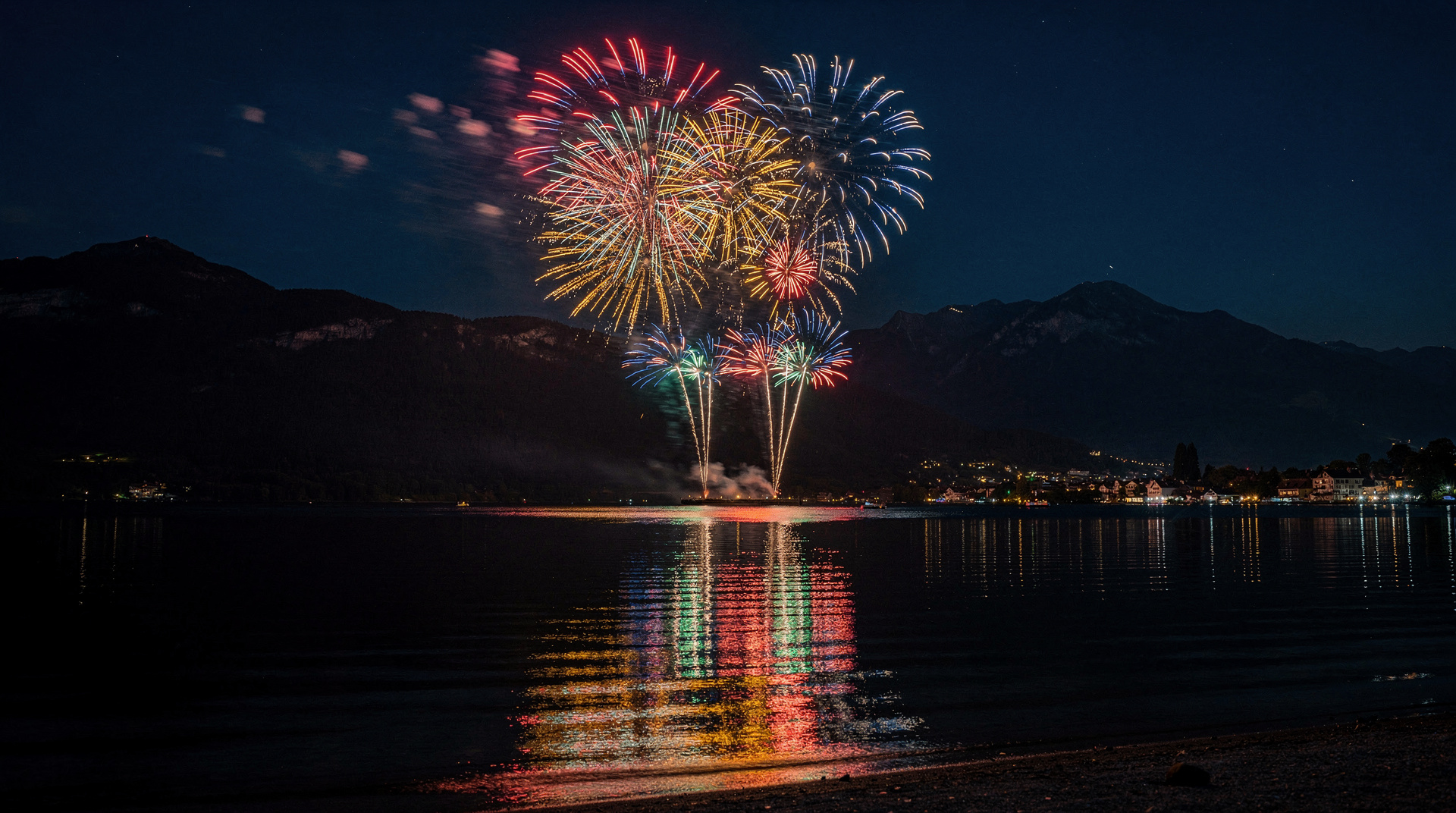
New Year’s celebrations (1 January): Zurich and Geneva both host fireworks, though the big Swiss New Year spectacle happens on the 31st, spilling into the 1st.
Vogel Gryff (Basel, mid-January): One of Basel’s most distinctive winter traditions. Three mythical figures — the Wild Man, the Griffin, and the Lion — parade through the city in an ancient ceremony linked to the guilds of Basel’s three riverside districts.
Verbier Festival (late January): Classical music in one of Switzerland’s most glamorous ski resorts. An unusual combination, but it draws major names and a devoted audience.
Lauberhornrennen (Wengen, mid-January): The Lauberhorn is the world’s longest alpine ski race course. The annual World Cup race weekend in Wengen draws enormous crowds and creates a genuinely electric atmosphere. If you are in the Jungfrau region, this is worth planning around.
Swiss Winter Sales (January): Across Swiss cities, major January sales begin after New Year’s Day. Not a festival, but worth knowing if you plan shopping in Zurich or Geneva.
Best activities for January
Skiing and snowboarding
January is statistically one of the best months for Swiss skiing. Resorts above 1,500m are reliably snow-covered, and the quality of the snowpack is usually excellent. The most popular ski regions:
Zermatt: Car-free, high-altitude (skiing up to 3,883m), and genuinely reliable snow throughout winter. Connects to Cervinia in Italy. Read more at Zermatt travel guide.
Verbier: The largest lift-served ski area in Switzerland, part of the 4 Vallées. Challenging terrain and a lively après-ski scene.
Grindelwald / Jungfrau region: Access to First, Kleine Scheidegg, and the highest terrain at Jungfraujoch. Good for families and intermediate skiers. See our Grindelwald guide.
Davos / Klosters: The largest ski resort in Switzerland by piste length. More understated than Verbier or Zermatt, popular with Swiss families and serious athletes.
St. Moritz: The original luxury ski resort. Reliably sunny due to its south-facing bowl, excellent facilities, and a reputation for glamour.
Winter hiking and snowshoeing
Not everyone skis, and Switzerland caters brilliantly to non-skiers in winter. Most resorts maintain groomed winter hiking paths that are accessible without ski equipment. Snowshoe rental is available at virtually every mountain resort, and guided snowshoe tours are excellent value.
The Engadin valley around St. Moritz is particularly well suited to winter walking, with flat valley paths alongside frozen lakes.
Tobogganing
Switzerland has some of the world’s great toboggan runs. The Flämserbahn in Flumserberg, the run from Grindelwald First, and the legendary run at Rodi in the Bernese Oberland are all in full operation in January. The run from Kleine Scheidegg to Grindelwald is one of the longest and most scenic in the country.
Visiting Jungfraujoch
January is a spectacular time to visit Jungfraujoch. The snow is deep, the views are extraordinary, and the crowds are thinner than in summer. Book tickets in advance and check weather forecasts carefully — clear days at altitude are magical, but cloud can close in quickly.
Book your Jungfraujoch excursionIce skating
Outdoor ice rinks appear in most Swiss cities and resorts in winter. The rink in front of Zurich’s main station (Hauptbahnhof) is one of the most charming urban skating experiences in Europe.
January vs February: which to pick
Both months offer excellent snow, but they suit slightly different trips.
| January | February | |
|---|---|---|
| Snow quality | Excellent | Excellent, often deepest of the season |
| Crowds | Quieter (New Year and Lauberhorn weeks aside) | Busier — European half-term holidays |
| Prices | Peak, but slightly below February in most weeks | Highest of the year in ski resorts |
| Daylight | Shortest of the year | Noticeably longer by month’s end |
| Signature event | Vogel Gryff (Basel), Lauberhorn race (Wengen) | Fasnacht carnival (Basel, Lucerne) |
If a quieter, marginally cheaper ski week matters more than extra daylight or a carnival, choose January. For details on the carnival option, see our Switzerland in February guide.
January costs and crowds
January is genuinely the peak season for ski resorts — expect peak prices for mountain accommodation. A week in Zermatt or Verbier in January will cost significantly more than in April or June. Book ski resort accommodation months in advance.
City hotels in Zurich, Geneva, and Bern, however, are at their most affordable in January. Business travel drops after the festive period, and leisure tourism is low. You can find excellent hotels in Zurich for prices that would be unthinkable in August.
The Swiss Travel Pass and Half Fare Card both offer good value in winter, especially if you plan to travel between cities and resorts by train.
Get your Swiss Travel PassPacking for January in Switzerland
Essential layers: Thermal base layer, mid-layer fleece, waterproof outer shell. Temperatures in mountain resorts drop sharply after sunset.
Footwear: Waterproof, insulated boots with good grip. City pavements are often icy. Mountain paths require proper winter boots or trail crampons for icy sections.
Accessories: Warm hat covering the ears, quality gloves (mittens are warmer than fingered gloves for outdoor activities), neck gaiter or scarf. Sunglasses or ski goggles are essential at altitude — the UV index is surprisingly high even in winter.
Ski gear: Helmets are strongly recommended. If you are not renting a full kit locally, bring your own helmet if you have one.
Sunscreen: Counterintuitive but essential. Reflected UV from snow causes sunburn faster than a summer beach.
Suggested January itinerary adjustments
If your priority is skiing: Base yourself in a mountain resort (Zermatt, Verbier, Grindelwald, Davos) for the majority of your trip. Add a single city day for shopping or culture, then return to the mountains.
If your priority is culture: Zurich, Geneva, and Basel are all excellent in January. Museums are uncrowded, restaurants are at their most relaxed, and hotel prices are low. Build in a single mountain day — Titlis from Lucerne or Jungfraujoch from Interlaken — to see the snowy Alps.
7-day winter split: 2 nights Zurich (arrive, museums, old town), 4 nights Zermatt or Grindelwald (skiing, snowshoeing, Jungfraujoch), 1 night Lucerne (city, Chapel Bridge). See our 7-day itinerary for a more detailed framework you can adapt.
Pros and cons of visiting in January
Pros:
- Best ski conditions of the year
- Fewer city crowds than summer
- City hotels at their most affordable
- Spectacular snow scenery
- High-altitude sunshine above the fog layer
Cons:
- Valley fog (Hochnebel) can be persistent and depressing
- Shortest daylight hours
- Mountain resort accommodation and lift passes at peak prices
- Some summer-only attractions closed
January mountain excursions
All three major day-trip mountains deliver extraordinary winter experiences in January:
Book Jungfraujoch in January Book the Mount Pilatus trip from Lucerne Discover Mount Titlis in JanuaryThe Matterhorn in January
Zermatt in January is at its most beautiful and most atmospheric. The Matterhorn in full winter condition — with snow on every face and the characteristic plume of wind-driven snow streaming from the summit — is one of Switzerland’s defining images. The village, car-free and snow-covered, is genuinely peaceful despite being at peak season.
Book the Matterhorn Glacier Paradise in JanuarySwiss food in January
January food in Switzerland is deeply satisfying. The full Swiss comfort food menu is in effect: Käsefondue in a caquelon at a mountain hut, Raclette at a wood-fired restaurant, Zürcher Geschnetzeltes (Zurich-style veal strips in cream sauce) at a city restaurant. The January cheese-making season in the lowlands means excellent fresh dairy is available from local producers.
Ski resort restaurants often serve the best value lunch in Switzerland — hearty mountain cooking (Rösti, Bratwurst, Wurstsalat, Erbsensuppe) at a snowy terrace with a mountain view is one of the great winter experiences.
Scenic trains in January
The Glacier Express from Zermatt to St. Moritz in January is spectacular — deep snow, frozen waterfalls visible from the window, and the train passing through high mountain passes in full winter conditions. It is less crowded than in summer and reservations are easier to secure.
Book the Glacier Express in JanuaryQuick tips for January visitors
Book ski resort accommodation as early as possible — January fills up fast, especially around school holidays which vary by Swiss canton and by European country. The Lauberhorn race weekend in Wengen causes a spike in bookings across the Jungfrau region.
Travel between resorts and cities by train — the Swiss rail network operates flawlessly in winter and is the most reliable way to get around when roads may be icy or closed by snow. Use the Swiss Travel Pass for efficient, unlimited travel.
Get your Swiss Travel PassIf you plan to visit mountains and have altitude sensitivity, spend your first night at a lower elevation before ascending to 1,500m or higher.
Check the best time to visit Switzerland guide for a comparison of all months before booking. For budget planning, see our Switzerland budget guide and 7-day itinerary for route ideas that work in winter.
Destination guides for January travel: Zermatt | Grindelwald | Lucerne | Interlaken
For general Switzerland travel information and planning resources, start with our best time to visit Switzerland overview guide.