Switzerland packing list: what to bring in every season
What should I pack for Switzerland?
Pack layers regardless of season — Swiss weather changes fast. Essentials include a waterproof jacket, sturdy walking shoes or hiking boots, a Type J plug adaptor, and sunscreen (UV is intense at altitude). Download the SBB app before you fly.
Why Switzerland requires a different packing strategy
Switzerland is not a destination you can pack for the way you would pack for a beach holiday or a city break. The altitude range alone — from 200 metres above sea level in Basel to over 3,400 metres at Jungfraujoch — means that two places you visit on the same day can have temperature differences of 15 degrees Celsius or more. A morning in Lucerne can be warm and sunny while the summit of Pilatus above it is cold, windy, and occasionally snowing, even in July.
The second factor is how much walking Switzerland demands. Even travellers who are not planning formal hikes will find themselves walking steep cobbled streets in medieval old towns, climbing steeply from train stations to viewpoints, and covering far more ground on foot than they would in a flat city. The right footwear is not optional.
The third factor is cost. Switzerland is one of the most expensive countries in the world. Forgetting a plug adaptor or arriving without a rain jacket and buying replacements in Zurich or Geneva will cost significantly more than bringing the correct items from home.
This guide covers what to pack by season, what every visitor needs regardless of when they travel, and a few Switzerland-specific items that experienced travellers always bring.
| Details | |
|---|---|
| Where | Applies country-wide, from Basel (200m) to Jungfraujoch (3,454m) |
| Cost | A good waterproof shell and broken-in walking shoes are the two items worth spending on; everything else is easily substituted |
| Time needed | Plan packing at least a week ahead so boots are broken in and a Type J adaptor is sourced |
| Getting there | N/A — this is a preparation guide, not a destination |
| Best time | Layer regardless of season; check the best time to visit guide for what conditions to expect on your specific dates |
Regional variation: Ticino and the south are different
Most of this guide assumes German- and French-speaking Switzerland, but Ticino and the Italian-speaking south have a noticeably milder microclimate thanks to the influence of the Italian lakes. Lugano and Locarno can be 3-5°C warmer than Zurich or Bern on the same day, and rain patterns differ, with more concentrated but shorter downpours. If your trip includes both a northern city and Ticino, pack for the more demanding northern conditions and treat the extra warmth in the south as a bonus rather than reversing the logic.
Universal essentials: bring these no matter when you travel
The Type J plug adaptor
Switzerland uses its own plug standard — Type J — which is not the same as the European Type C (two round pins) used in most of the rest of Europe. Swiss sockets have three round holes in a triangular arrangement, and a Type C plug will not fit them securely. If you are coming from the UK, US, Australia, or any other region, you need a Swiss Type J adaptor specifically.
Some hotels — particularly international chains — have universal sockets in bathrooms, but you cannot rely on this. Buy a Type J adaptor before you travel; they are harder to find in Switzerland than you might expect, and the ones sold in airports are overpriced.
One universal adaptor (Type C/E/F/G/J multi-adaptor) will also work, as many Swiss sockets accept Type C in addition to Type J — but check this before relying on it.
Waterproof jacket or shell
Swiss weather is famously unpredictable at all elevations and in all seasons. A lightweight waterproof jacket that packs into its own pocket takes up almost no space and protects you from sudden showers in cities, mist on mountain ridges, and cold wind at viewpoints. This is the single most important item to bring regardless of season.
A shell jacket (waterproof but not insulated) gives you the most flexibility: layer underneath when cold, wear it alone when it is mild and wet.
Sunscreen and UV protection
UV radiation at altitude is significantly more intense than at sea level. At 2,000 metres the UV index increases by roughly 20 percent; at 3,000 metres (reachable by cable car at Grindelwald, Saas-Fee, Verbier, and Zermatt) it is higher still, and snow reflects and intensifies radiation further. Sunburn on Swiss mountains is common and rapid, even on overcast days. Bring SPF 50 and reapply frequently. Lip balm with SPF is also worth adding.
Sunglasses with UV protection are essential for any mountain day. Polarised lenses are better for snow glare.
Walking shoes or hiking boots
Even a city-focused Switzerland trip involves more walking than most travellers expect. Cobblestones, steep inclines, and uneven paths are standard. A pair of well-broken-in walking shoes with good grip and some ankle support will serve you better than trainers or fashion shoes.
If your itinerary includes any mountain trails — and the hikes near Interlaken, Lucerne, or Zermatt are genuinely worth doing — proper hiking boots are the right choice. Ankle support matters on mountain paths where loose rocks and uneven terrain are common. Do not buy new boots for the trip; break them in at home first.
The SBB app
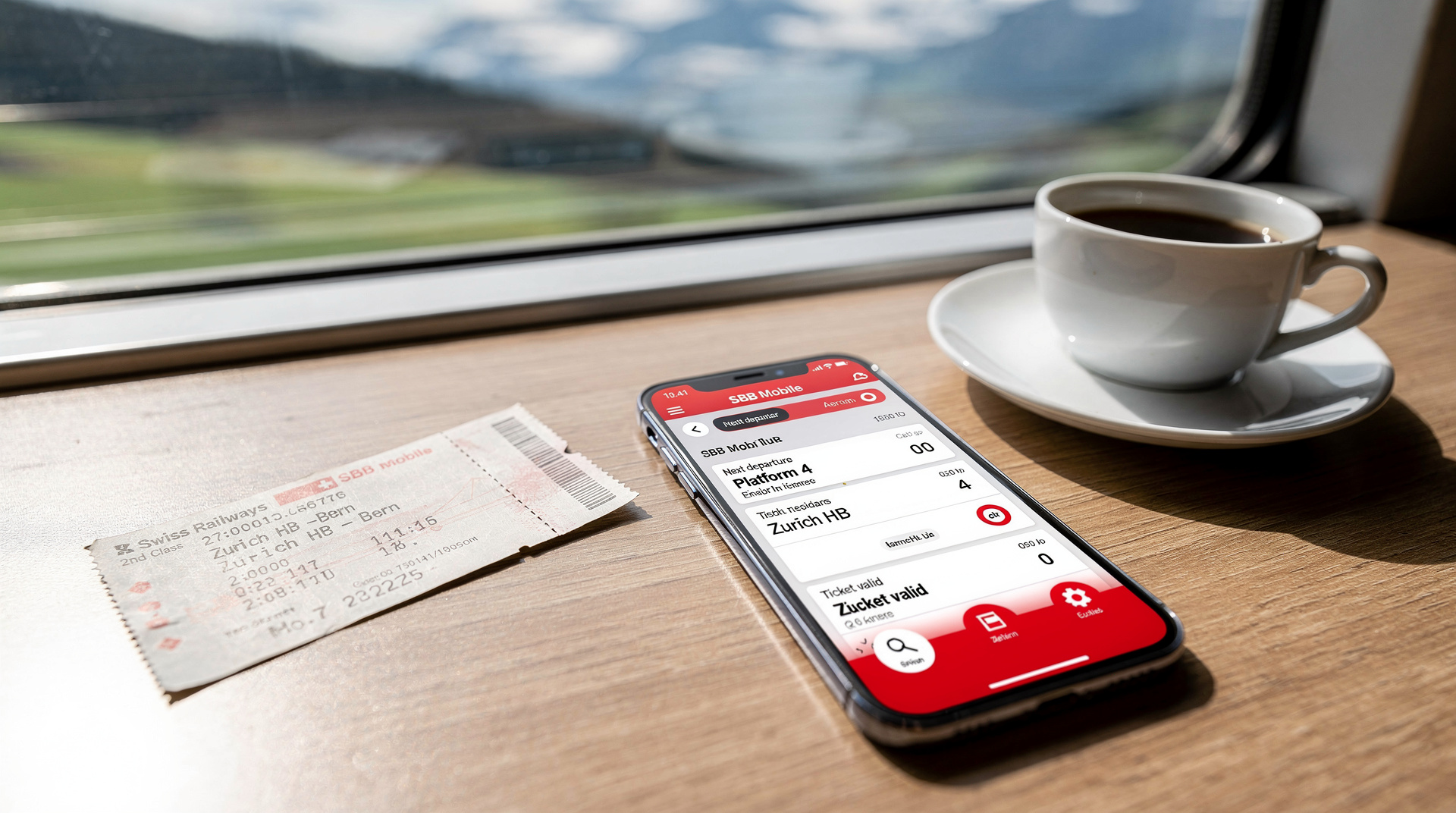
Download the SBB (Swiss Federal Railways) app before you travel. It is the single most useful tool you will use in Switzerland. It covers all trains, buses, trams, lake boats, and many cable cars — including real-time departures, platform information, journey planning, and ticket purchasing. It handles the Swiss Travel Pass digitally, shows you exactly where your connection is, and works offline for saved journeys.
The app is free and available for iOS and Android. Setting it up at home, while you have time and a fast connection, is far easier than trying to figure it out at Zurich Hauptbahnhof with a heavy bag.
A physical card for payments
Switzerland is not as cash-dependent as it once was, but not all mountain kiosks, smaller restaurants, and cable car stations accept cards reliably. Carry some Swiss francs (CHF) in small denominations. Many ATMs in Switzerland dispense CHF and accept international cards, but fees can be significant. A Wise or Revolut card with no foreign exchange fees is worth bringing if you use one.
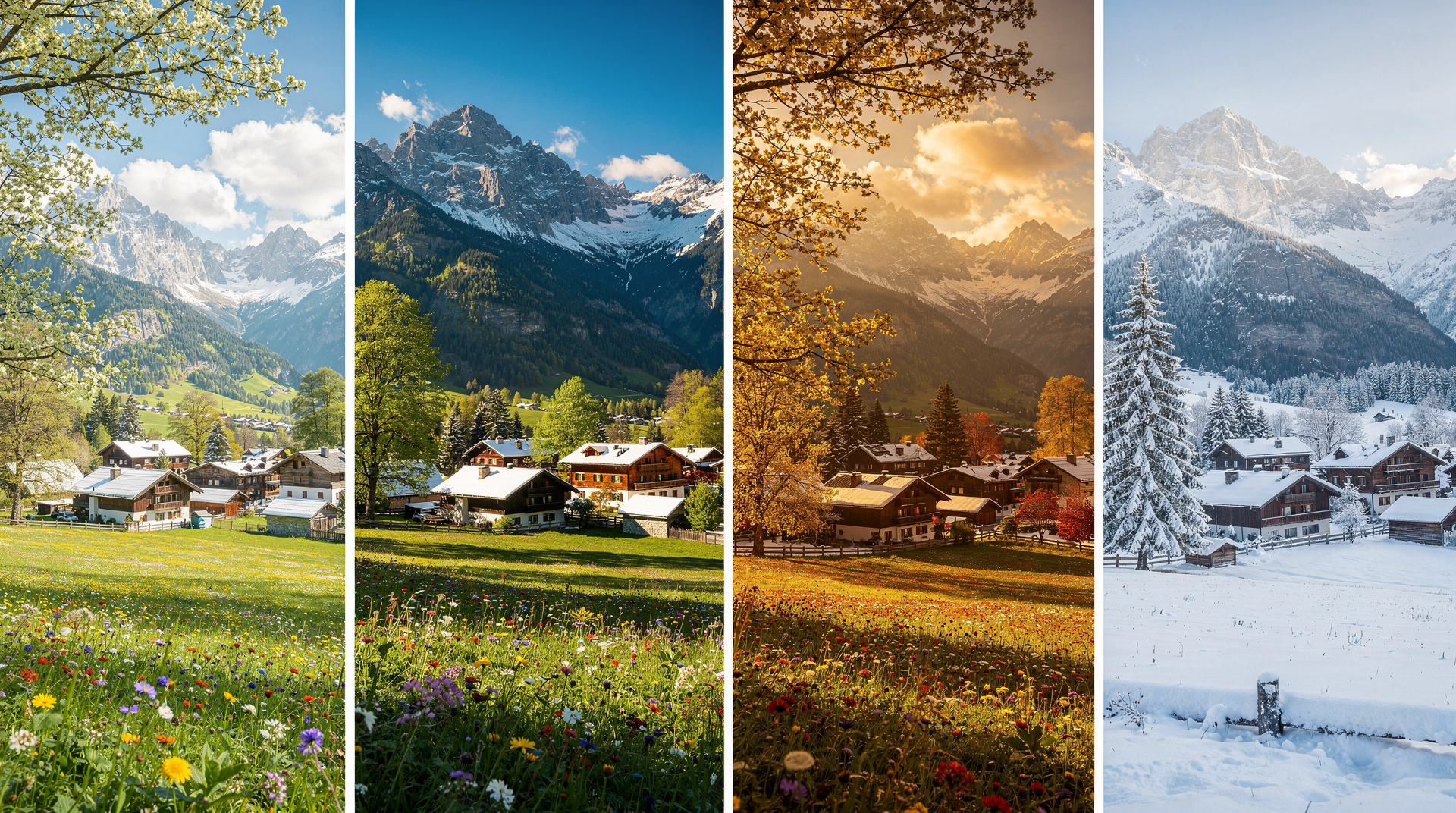
Spring packing list (March to May)
Spring in Switzerland is beautiful and unpredictable. Snow at altitude can persist well into April and even May on higher trails. Valley floors warm up relatively quickly, with temperatures in Bern or Basel reaching 15–18°C by May, while mountain areas remain significantly colder.
Layers are essential. The classic spring approach is a base layer, a mid-layer (fleece or light down jacket), and a waterproof shell. This system lets you add and remove layers as conditions change throughout the day.
Spring-specific items to add:
- Light down or synthetic insulated jacket (packable style is ideal)
- Merino wool or synthetic base layer (2-3 tops; merino resists odour and regulates temperature well)
- One warm mid-layer fleece
- Waterproof jacket or hardshell
- Hiking boots with some waterproofing (trails can be muddy and snow-patchy)
- Waterproof trousers or at minimum quick-dry walking trousers
- Light hat and gloves (needed above 1,500 metres through April)
- Smart casual clothes for cities and restaurants (Swiss cities dress neatly)
- One slightly warmer evening layer
Popular spring activities that affect what to pack: seeing alpine flowers on lower mountain trails (April–May), visiting Easter markets, and the start of the lake-boat season. If you plan to visit Jungfraujoch in spring, pack full winter layers — the Top of Europe sits at 3,454 metres and is cold and windy year-round.
Summer packing list (June to August)
Summer is the peak season and the most variable. Valley temperatures can reach 30°C or above during heat waves, which have become more common in recent years. Mountain temperatures at 2,000 metres are typically 10–15°C cooler, so a day that starts warm in Interlaken can feel genuinely cold on the Schilthorn above Mürren.
Do not leave the rain jacket behind in summer. Afternoon thunderstorms are common, especially in July and August, and mountain weather can change within minutes. This is not a precaution for unlikely events — it is a near-daily reality in alpine Switzerland in summer.
Summer packing list:
- Lightweight waterproof jacket (this remains the single most important item)
- T-shirts and light shirts (3–4 for a week)
- One long-sleeve layer for cool evenings and mountain days
- Light fleece or thin down jacket for mountain cable car stations
- Hiking shorts and one pair of long hiking trousers
- Hiking boots (essential if you plan any mountain trails)
- Comfortable walking shoes or trainers for city days
- Swimwear (lake swimming is excellent in summer; many Swiss towns have public lidos)
- Sunscreen SPF 50 and UV sunglasses
- Insect repellent (lower alpine meadows can have mosquitoes in warm weather)
- Light hat for sun protection
Summer evenings in Swiss cities are warm, and restaurants have outdoor terraces. Pack one smart-casual outfit for nicer dinners.
Autumn packing list (September to November)
September and October are arguably the best time to visit Switzerland. The summer crowds thin, mountain trails are at their best condition, and the light is extraordinary — clear blue skies over golden larch forests and dark blue lakes. Temperatures are pleasant in valleys through October, then drop sharply in November.
Autumn requires a full layering system again:
- Waterproof jacket (autumn rain is common and cold)
- Mid-layer fleece or light insulated jacket
- Merino wool base layers (2–3)
- Hiking boots (trails are excellent but can be wet and leafy — traction matters)
- Warm hat and gloves (needed from October on mountain days)
- Long trousers for hiking and city days
- One warm jumper or heavier fleece for evenings
- Scarf
October is when some high alpine routes close and gondolas reduce their schedules. Check the operating dates for any specific cable car or mountain railway before you travel.
Winter packing list (December to February)
Winter transforms Switzerland into one of the world’s great ski destinations. If you are skiing or snowboarding, most rental shops in resorts supply the technical gear (skis, boots, poles, helmet), so you do not necessarily need to bring your own unless you have strong preferences. For non-skiers visiting Christmas markets and winter landscapes, the focus is on warmth.
Winter essentials:
- Heavy insulated jacket or ski jacket
- Thermal base layers (top and bottom; merino or synthetic)
- Mid-layer fleece
- Waterproof ski trousers or warm waterproof walking trousers
- Insulated waterproof boots (essential — pavements in Zurich and Geneva can be icy)
- Warm hat that covers ears
- Thermal gloves or ski gloves
- Scarf or neck gaiter
- Ski goggles if skiing (sometimes included in rental packages)
- Hand warmers (useful for long outdoor days)
City temperatures in winter vary: Zurich averages around 0–4°C in January. Mountain resorts are much colder, and wind chill at ski lifts can be severe.
If you are visiting Jungfraujoch in winter, treat it as an Arctic-level excursion and layer accordingly; a Jungfraujoch round-trip railway ticket from Grindelwald is an easy way to reach it. Many visitors are surprised by how cold and windy it is even on a clear day.
Hiking-specific packing notes
If hiking is a major part of your trip — and Switzerland’s trails are world-class — there are a few additional items worth packing specifically:
Trekking poles: Extremely useful on descents and on mountain passes. Packable carbon-fibre poles take up minimal luggage space. Not essential but significantly reduce knee strain on long days.
Gaiters: Useful in early season when trails may have snow patches, and in autumn when trails are wet. Not needed in summer on well-maintained lower trails.
Blister kit: A small pack of blister plasters and tape for hotspots. Long walking days in even well-broken-in boots can produce hot spots by day three.
Water bottle or hydration system: Swiss tap water and mountain fountain water is safe to drink and excellent quality. A reusable bottle saves significant money (bottled water in restaurants is expensive) and reduces plastic waste.
Headlamp: If you plan early starts (sunrise hikes, via ferrata with mixed conditions), a small headlamp is worth including.
Emergency space blanket: Takes up almost no room and could matter in a mountain weather emergency. Swiss mountain safety organisations recommend carrying one.
For more on mountain safety and what to do if conditions change unexpectedly, see the Switzerland safety guide.
Electronics and connectivity
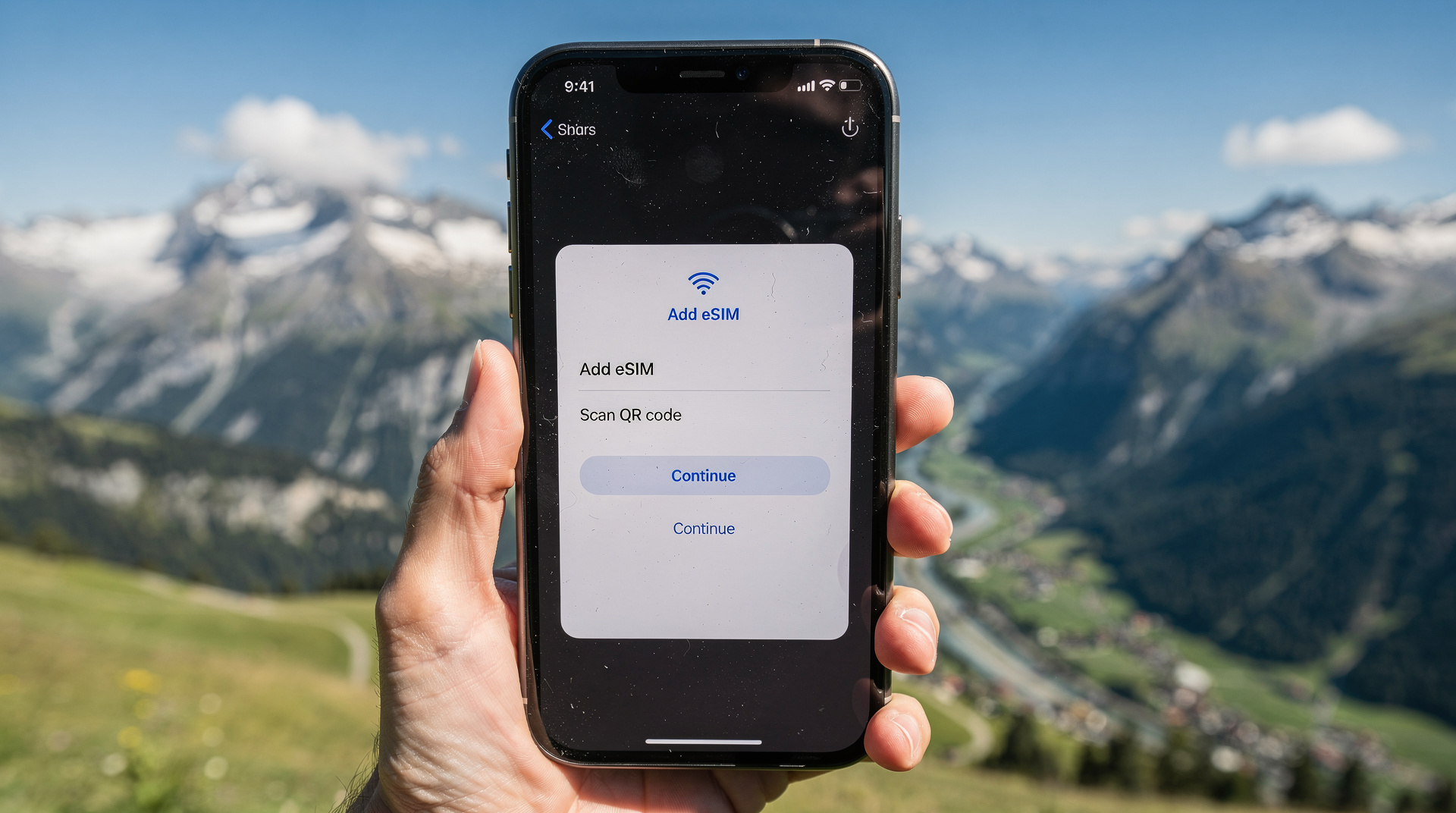
Switzerland has excellent mobile connectivity on major routes and in all cities and towns. Remote valleys and some mountain ridges have patchy coverage. An international SIM or a roaming plan that covers Switzerland is worth sorting before travel.
Download for offline use:
- SBB app (train connections and tickets)
- maps.me or Google Maps offline area for Switzerland
- The Swiss National Accident Insurance Fund (SUVA) mountain weather app for current Alpine conditions
Switzerland uses USB-C charging widely in hotels, but bring your own cables. Power banks are useful for long mountain days away from charging points.
What not to bring
Hairdryer: Most Swiss hotels and hostels provide them. Check before you pack.
Heavy guidebooks: Everything you need is available online, and Swiss tourist offices are well-stocked with free maps and information. Save the weight.
Fancy clothes: Switzerland is neat and well-dressed but not formal. A smart casual outfit covers restaurants, cities, and cultural venues. You do not need a suit or evening dress.
Excessive cash: Switzerland is safer than almost anywhere in Europe. See the Switzerland safety guide for context on petty crime. Carrying large amounts of cash is unnecessary.
Luggage notes
The Swiss train network is excellent and handles luggage easily. SBB offers a luggage forwarding service (Reisegepäck) that collects bags from your hotel or SBB station and delivers them to your next destination, typically overnight. This is remarkably useful if you are moving between cities: you can travel with just a day pack while your main luggage goes ahead.
If you are staying in mountain resorts, note that cable cars and mountain railways can be crowded in peak season. A smaller bag and luggage forwarding for main items makes transitions much smoother.
For detailed help planning your Switzerland trip logistics, see the getting around Switzerland guide and the Swiss Travel Pass guide.
A final note on budget
Switzerland is expensive. A mid-range restaurant lunch is CHF 20–35 per person. Cable cars cost CHF 30–80+ return. If you are on a budget, packing well reduces incidental spending significantly — bringing snacks, a water bottle, a rain jacket, and good footwear means you spend less on impulse purchases when conditions demand them.
For a full breakdown of what Switzerland costs and how to keep spending under control, see the Switzerland budget guide.
Seasonal packing summary
| Season | Key additions |
|---|---|
| Spring | Down jacket, waterproof boots, gloves, hat |
| Summer | Swimwear, sun protection, light fleece |
| Autumn | Warm layers, hat, gloves from October |
| Winter | Heavy insulated jacket, thermals, waterproof boots |
Universal for all seasons: Waterproof jacket, walking shoes or hiking boots, Type J plug adaptor, SBB app, sunscreen, reusable water bottle.
The best time to visit Switzerland guide covers seasonal conditions in more detail if you are still deciding when to travel.
Packing for specific activities
For skiing and winter sports
If skiing or snowboarding is a primary purpose of your trip, rental shops at Swiss ski resorts supply the technical equipment — skis, snowboard, boots, poles, and helmet — at reasonable daily rates. You do not need to transport your own unless you have strong equipment preferences or are a very regular skier with fitted boots.
What you do need to bring:
- Ski jacket (insulated, waterproof): essential
- Ski trousers (waterproof, with snow gaiters at the ankles): essential
- Thermal base layers (top and bottom): 2 sets
- Mid-layer fleece (for après-ski and cold days)
- Neck gaiter or balaclava
- Ski socks (thin, specifically ski-designed — merino wool is excellent): 2–3 pairs
- Ski gloves or mittens (waterproof, insulated)
- Ski goggles (not always in helmet rental packages — buy before you go)
- Sunscreen SPF 50 (snow reflection at altitude creates extreme UV conditions)
- Lip balm with SPF
If you plan to hire a car for the drive to a resort, note the winter tyre requirement and the potential need for snow chains — see the renting a car guide.
For via ferrata
Via ferrata (fixed-route iron-rung climbing on rock faces) is popular in Switzerland, with excellent routes near Grindelwald, Meiringen, and Elm in Glarus. If you plan a via ferrata:
- A via ferrata set (harness + Y-lanyard with energy absorbers) is essential and non-negotiable. You can rent these at outdoor shops near popular via ferrata routes.
- Climbing helmet: rental available alongside harness.
- Hiking boots with ankle support and rubber soles.
- Light gloves (to protect hands on metal rungs that can be cold and rough).
Check the grade (A–E in Switzerland) before attempting a route. A and B are accessible to fit, unfearful walkers; C and above require comfort with exposure and some climbing technique.
For cycling or e-biking
Switzerland has excellent cycling infrastructure and a national network of cycle routes (signposted 1–99 on red signs). E-bikes have made Swiss mountain cycling far more accessible:
- Padded cycling shorts (even if you do not normally wear them — mountain descents on gravel paths are demanding)
- Cycling gloves
- Helmet (not legally mandatory for adults on roads, but strongly recommended)
- Lights (required by law after dark)
- Repair kit: pump, puncture repair, multi-tool
E-bikes can be rented at most Swiss bike hire shops, many of which are found at railway stations under the SBB PubliBike or local rental schemes.
Children’s packing considerations
Travelling to Switzerland with children requires additional thought around outdoor safety and comfort:
- Sunscreen in large quantities: Children burn faster and more seriously at altitude. SPF 50 minimum, reapply every 2 hours outdoors.
- Layers for children: Children lose body heat faster than adults. Pack a warm mid-layer and waterproof jacket for every child, regardless of season.
- Hiking shoes for children: Even young children who will walk on mountain trails should have proper hiking shoes with ankle support and grip. Sandals and soft trainers are inadequate on uneven mountain paths.
- Insect repellent: The tick risk affects children as much as adults in forested areas.
- Rehydration sachets: Useful if a child develops any gastrointestinal illness.
- Children’s paracetamol/ibuprofen: Swiss pharmacies carry these, but packaging and brands differ. Bring from home.
Toiletries and personal care
Switzerland has excellent pharmacies (Apotheke / Pharmacie) and supermarkets with comprehensive toiletries. You do not need to pack large quantities of anything you can easily buy locally. Exceptions worth packing from home:
- Specific prescription or specialist skincare products
- Preferred contact lens solution (Swiss pharmacies carry it, but your brand may not be available)
- Blister plasters and sports tape (useful in specific sizes you prefer)
- High-SPF sunscreen (widely available in Switzerland, but often expensive in tourist areas)
Documents to carry
While not “packing” in the clothing sense, documents are as important as any physical item:
- Passport or national ID card: Switzerland is not in the EU Schengen area for all legal purposes, but it does operate Schengen border policies. A valid passport is required for non-EU travellers.
- Travel insurance documents including emergency contact number (keep a physical copy, not just on your phone)
- EHIC/GHIC card if you are an EU or UK citizen
- Swiss Travel Pass or other transport documents (or the SBB app with digital versions)
- Driving licence if you plan to rent a car (see the renting a car guide)
- Emergency medication list with generic drug names
For a complete overview of what Switzerland costs and how to manage your budget day-to-day, see the Switzerland budget guide. For safety gear and what to do in a mountain emergency, see the Switzerland safety guide.
Frequently asked questions about Switzerland packing list
Do I really need hiking boots if I’m not planning a formal hike?
For most itineraries, yes in some form. Even city-only trips involve steep cobbled old-town streets (see the old towns guide) and station-to-viewpoint walks that go well beyond flat city pavement. Sturdy walking shoes are the minimum; proper hiking boots are worth it if any mountain trail, even a short one, is on the itinerary.
What’s the one item people most often forget to pack for Switzerland?
The Type J plug adaptor. It’s a different standard from the rest of continental Europe, it’s genuinely hard to find once you’ve arrived, and airport shops that do stock it charge a premium. Buy one before you travel.